Objektívkereső

Tippek:
Írjon legalább 2 karaktert
Próbálja meg így szűkíteni a keresést: pl. 70 300 is
Ha hasznosnak találja ezt az oldalt, akkor vásárolja meg objektívjeit és kiegészítőit partnereinktől. Köszönjük a támogatását.

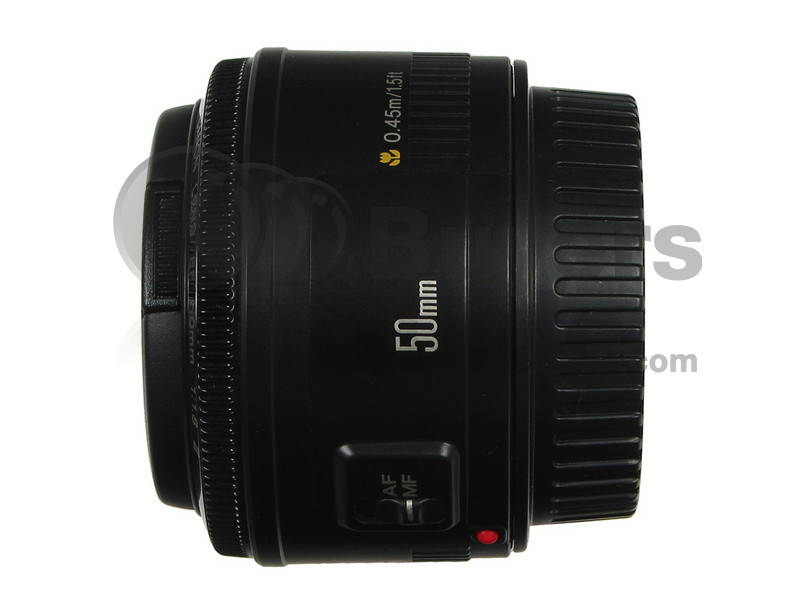
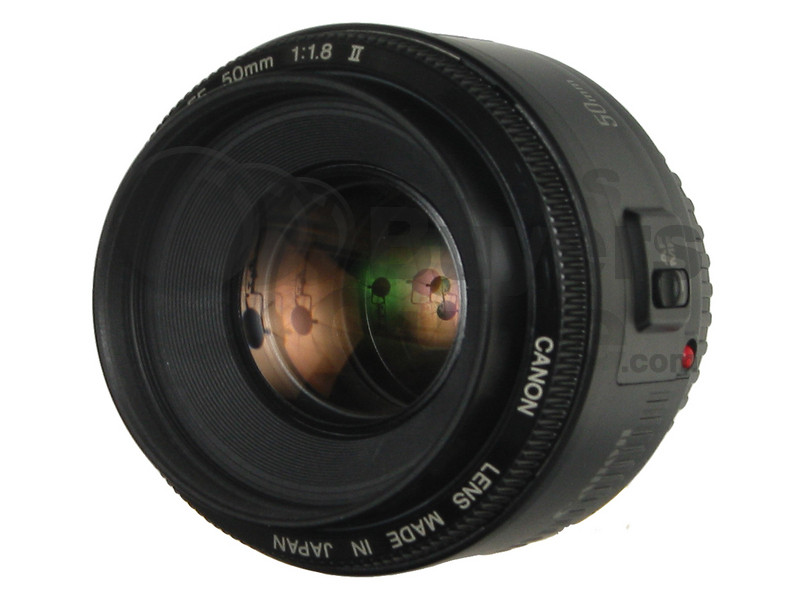
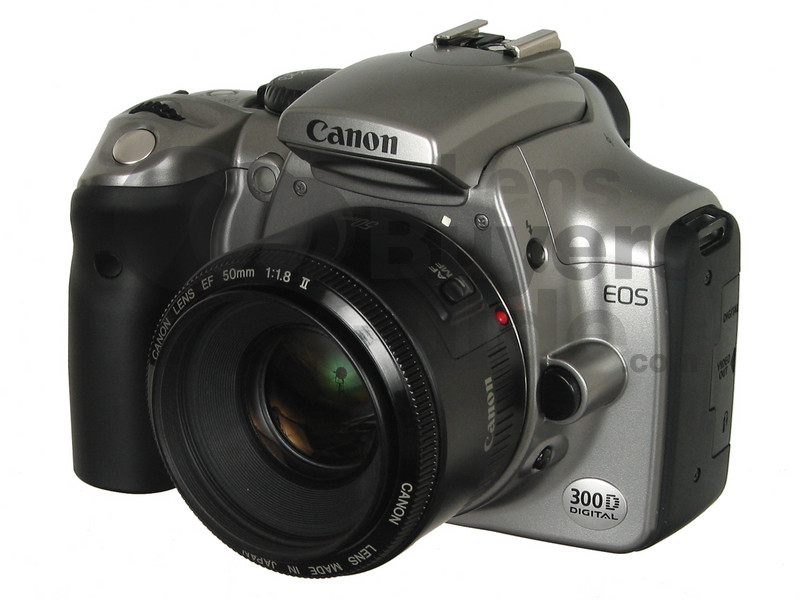
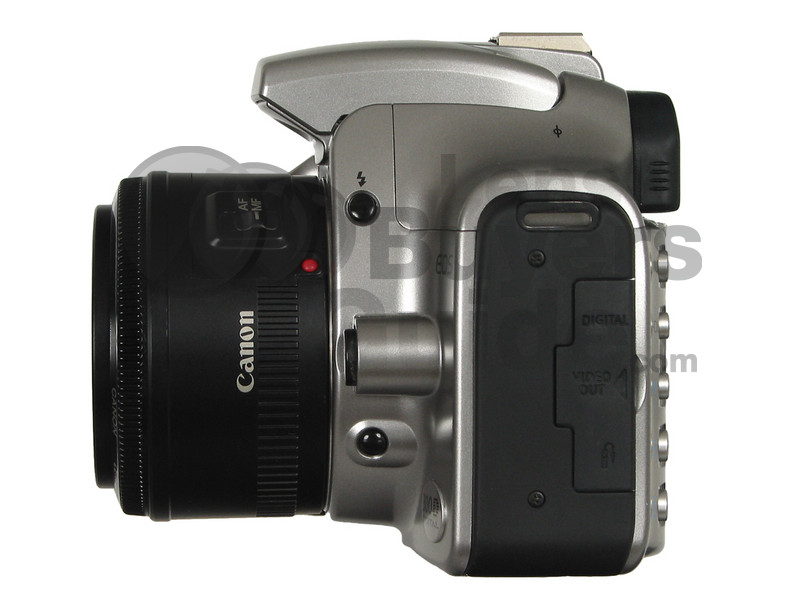
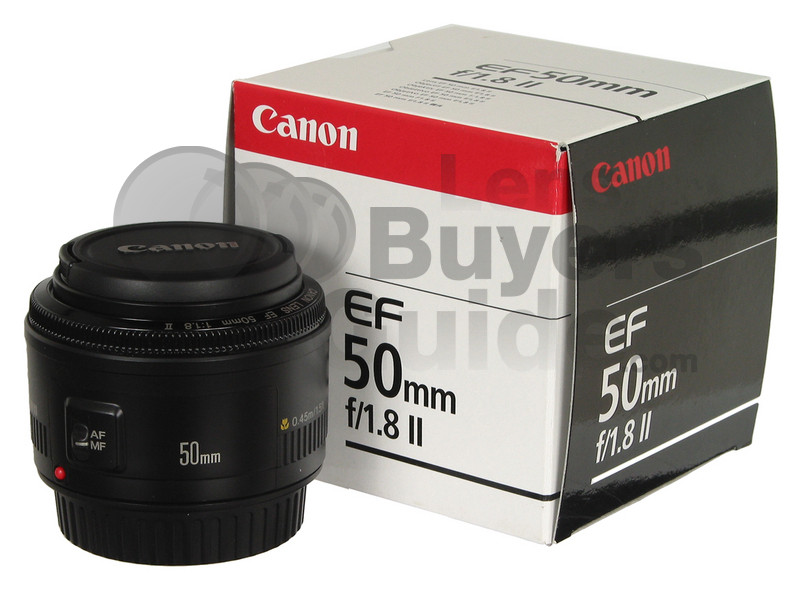
Canon EF 50mm f/1.8 II


Teljes méretű vetített kép

Az APS-C méretű képet vetítő objektíveket kimondottan a digitális fényképezőgépekhez fejlesztették, ezért nem használhatók filmes gépeken, vagy olyan digitális fényképezőgépeken, amelyekben az APS-C méretűnél nagyobb érzékelő található.


Nem ultrahangos AF-es

Az ultrahangos automatikus élességállítással szerelt objektívek általában halkabbak és gyorsabbak, mint a tradicionálisan működő objektívek.


Nincs benne alacsony szórású lencsetag

Az alacsony szórású lencsetagok segítenek csökkenteni a kromatikus aberrációt.


Nem stabilizált

A képstabilizátor segít csökkenteni a kéz remegéséből adódó elmosódásokat. A stabilizátor hatása elsősorban nagy gyújtótávolságnál és gyenge megvilágításnál érezhető. A képstabilizátor 1-3 fényértéknyi előnyt biztosít a nem stabilizált objektívekhez képest.


Műanyag bajonett

Az olcsóbb objektívek általában műanyag, míg a drágábbak fém bajonettel készülnek. Általában a fém bajonettek tartósabbak, így gyakori objektívcserénék ez a szerencsésebb. Ha egy fényképezőgépet főleg egy objektívvel használunk, akkor a bajonett anyaga nem annyira lényeges.


Nem belső élességállítású

A belső élességállítású objektívek mérete az élességállítás során nem változik.


A front lencse fix

A fix frontlencse az élesség és/vagy a gyújtótávolság állításakor nem fordul el. Ez lehetővé teszi, hogy a fotós szirom alakú napellenzőt használjon. A fix frontlencse megjönnyíti a polarizációs szűrők használatát is.


Nem időjárásálló

Az időjárásálló objektívek védettek a víz és a por ellen. Ugyan nem vízállóak, de esőben és más nedves, párás környezetben is jól használhatók. Egyes szigetelések csak a víz vagy csak a por ellen védenek, nem mindkettő ellen. A szigetelés csak akkor működik, ha az objektív egy hasonló módon szigetelt vázon van.


Nincs becsúsztatható szűrő

A becsúsztatható szűrőket olyan objektíveknél alkalmazzák, amelyek frontlencséje túl nagy, illetve amelyek látószöge túl nagy ahhoz, hogy hagyományos szűrőket lehessen rájuk tenni. Általában a nagy fényerejű tele, illetve az ultra-nagy látószögű objektíveknél fordul elő ez a megoldás.

Ez az EF sorozat legkönnyebb, kiemelkedő teljesítményű alapobjektívje, ráadásul nagyon kicsi, tömege mindössze 130g. Gauss-féle optikája tűéles rajzolatot ad közeli és távoli témák fotózásakor egyaránt. Az alapobjektívek között kiemelkedő színegyensúlyra képes.

Canon EF 50mm f/1.8 II Specifikáció

Elérhető bajonett(ek) Canon EF
Felhasználási terület(ek) Portré, Tájkép, Épület
Kategóriák Standard fix
Szorzó
Stabilizátor nem
Gyújtótávolság 50 mm (fix)
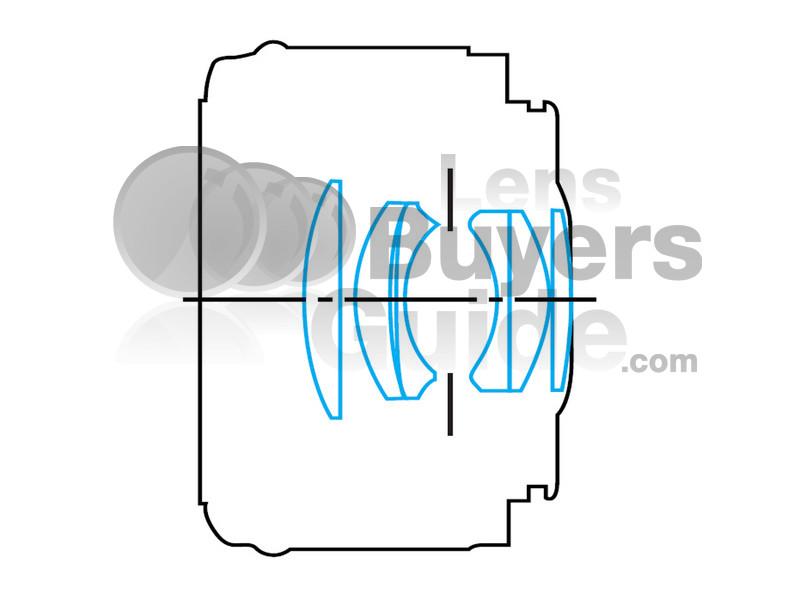
Objektív felépítése 6 lencsetag 5 csoportban
Látószög 35mm: 46°
digitális: nincs adat
Lamellák száma 5
Legnagyobb blende f/1,8
Legkisebb blende f/22
Legkisebb tárgytávolság 45 cm
Nagyítás 0,15×
Szűrőmenet nincs adat
Méret ∅ 68.2 × 41 mm
Tömeg 130 g
Megjegyzések AF meghajtás: Mikromotor ES-62 napellenző adapter segítségével helyezhető fel
AF sebesség nincs adat
AF hang
Belső élességállítás nem
Belső zoom nincs adat
Fix frontlencse igen
Bajonett típusa műanyag
Időjárásálló nem
Becsúsztatható szűrők nem
Ultrahangos AF nem
APS-C méretű vetített kép nem
Alacsony szórású lencsetag nem
Kemény tok LH-B9 (nem tartozék)
Puha tok ES-C9 / LP1014 (nem tartozék)
Napellenző ES-62 (nem tartozék)
nyomtatható napellenző
Állvány adapter nincs adat
Canon EF 50mm f/1.8 II Specifikáció

Canon EF 50mm f/1.8 II Tesztek

Canon EF 50mm f/1.8 II a hírekben

Other reviews

Canon EF 50mm f/1.8 II Olvasói tesztek

Leghasznosabb olvasói vélemények az Amazonról

Sharp, fast, inexpensive

2005. április 10.

Once upon a time the 50 mm lens was THE standard camera lens and was THE optical benchmark by which manufacturers were judged and compared. Although the basic lens focus has now shifted (at least at the low to mid amateur level) to zooms - you can still benefit from years of research and development that went into designing the 50 mm lens and this here lens may be the best lens, dollar for dollar, that you can ever buy. The question is can you afford not to own this lens?

Years of development have brought us a lens that has a fast aperture of 1.8 - far faster than any consumer zoom lens - and that is sharp as a filed tack. Be forewarned about the sharpness . . . if you are taking pictures of people, this lens is unyielding in its sharpness and may well surprise you and your subjects whose every blemish is captured. The lens has a fabulously shallow depth of field if you want to use the 1.8 aperture to blow out a background. This lens is also ridiculously inexpensive. It is not USM - so it is a little loud. It does not have a moving focus scale. For the money though - this is heaven.

As to the build quality - yes, it is plastic. No, it's not built like the Rock of Gibraltar. If you are going to give this lens extensive use as your everyday lens and you shoot a lot, it may not hold up all that well as one reviewer suggests. However, I've now had this lens and used it fairly regularly (although not as the primary lens) for about 8 years and it is still in great condition. In my mind, spend the $$ on this first before you go and drop $330 on the 50mm 1.4 USM lens and I think you'll find it gets the job done nicely and that the extra $250 on the 1.4 may not be worth the difference in build (major difference), speed (minor difference) and image quality (minor difference).

Best Value in Photography!

2005. december 28.

Wow! My theory now is that Canon doesn't put this baby as their kit lens because many people would decide that they DONT NEED ANOTHER ONE! And many of them would be right!

Like others, I bought the Rebel XT and the 28-135 IS lens. The 28-135 is heavy and priced like a gold brick. I guess it does OK, and I do keep it mounted most of the time.

And like others, I stumbled on this lens somehow, read the raving reviews, and for the price figured, "What the heck?"

This lens in tack sharp. It shows the fire in the colors you photograph. The wide aperture means candles can be excellent lights for portraits. Its narrow field is great.

There are pitfalls though. I snapped a pic of my face at arm's length using autofocus a while back and (1) the focus locked on the tip of my nose and my face was already blurring (2) the lens was so sharp that I saw blackheads clearly on my nose tip I can't really see in the mirror (doh!). I've read that dSLR images are slightly soft to aid in later editing. I can only imagine what it would do on a film camera.

Yesterday while camping I slapped this lens on. Unlike the 28-135, this one is light enough that I didnt notice I was carrying a camera everywhere. At night I put the lens on the top of the car pointed at the sky, set the shutter for 15 secs, and hit the button. Much to my amazement, the lens not only showed hundreds of stars that were invisible to my eyes, but it also found a galaxy. That pic is on the customer image section of this page. You can see what I saw, but the smaller size doesnt do the lens justice.

One quirk of Amazon is that this page keeps alternating pictures of lenses. This lens does not have the distance focus scales on the outside of it.

Zoom is nice for many things. But where zoom isnt necessary, performance is very, very nice. Performance at $70 is almost too good to be true.

Let me close by repeating what has been said elsewhere and will continue to be said here....IF YOU OWN A SLR, STOP NOW AND GET THIS LENS!

UPDATE 12/06 I have owned this lens for about a year now. Over that time I have immersed myself in photography, workshops, books, tests, etc. I have since upgraded to the 30D and a couple of L lenses, and now have a portfolio strong enough that I am now getting dollar signs thrown at me that I didnt even see coming. I say all this to give you some perspective on what I will write afterward.

Now that Ive really learned the difference, I can agree with others that it is a tad soft wide open, but that is to be expected. I read a lens test recently that put the 1.8 against Canons heavweight L glass, and, not surprisingly, the L beat out the $70 plastic wonder in most categories. What might surprise you, however, is that when the lens was tested at F 8 it BEAT THE L GLASS in sharpness! As one that has felt the pain of trading large sums of money for L glass, that still amazes me.

My 28-135 has since joined my kit lens in the garage. The 1.8 is still in my case with my newer 30D.

With some experience under my belt I now would make the following recommendation. Right now, as you read this, you may have an idea if you've been bitten by the photog bug. You may know that this beast is going to morph into something more than a simple pasttime. If you look inside the depths of your aspirations and you know that you are going to be a serious amateur, bite the bullet and get the 50mm 1.4. Trust me on this one. Eventually you'll end up getting it anyway, so just apply the $70 to the 1.4 now.

If you're just exploring different areas of SLR photography, you cant go wrong with this lens. Case in point- as of this writing the baby in pink in the customer images section of this lens is one of the top-ten rated images of all pics uploaded on Amazon! This lens will allow you to dazzle friends and relatives used to snapshots from point & shoots. It will be the start of what you upgraded to a DSLR for in the first place. For you, the 1.8 is still, by far, the best value in photography!

Great images, poor build quality

2003. április 30.

Optically, you can't really do that much better than the f/1.8 - strong contrast, good color rendition, and very sharp even when shooting wide open. I bought this lens and it lived on my camera for several months and was the default piece of glass that I reached for when the quality of the shot "really mattered."

But, honestly, it's built about as solid as a toy prize in a box of Cracker Jack. After a few months of use - use, not abuse - the lens literally came apart, the front barrel separated from the mount. The bad news was that the lens was completely shot - it was in pieces, after all - the good news was that it had been cheap, so my pocketbook was able to stand the cost of replacement.

I replaced the lens with it's older brother, a used version of the Mark I - much more solid, and which gives equal optical quality even used. It's a shame that the body and housing on new version of this lens is so shamefully cheap, because the glass is very nice. But I can't recommend it, unless you either a) don't do that much shooting, or b) don't mind replacing the lens on a fairly regular basis.

My suggestion is to either cough up the money for Canon's 50mm f/1.4 - gains you a half a stop and is built to pro-quality standards - or pick up the older version of the f/1.8 on the used market. Either option will likely end up being cheaper in the long run.

Perfect Portraits: Canon 50mm f/1.4 vs. f/1.8 Lens Comparison

2005. augusztus 19.

The 50mm/f1.4 and 50mm/f1.8 are the BEST PORTRAIT LENSES that Canon offers. I own a Canon Rebel 2000 and Digital Rebel XT and have used both these lenses for several months. Pictures have been outstanding and my professional customers frequently cite the sharpness, light balance, depth of field, color reproduction, and "bokeh" (intentional blurring of background in portraits) from these lenses. Some people question the usefulness of a 50mm lens on digital SLRs with a 1.6x crop factor (i.e., 50mm lens = 80mm on a dSLR like the Digital Rebel XT)... I can vouch that the range is beautiful and relevant, focusing more closely on key subjects in portraits.

WHAT DO THESE LENSES HAVE IN COMMON? They are both fast (the f1.4 is blazing fast - dSLR can hardly keep up!), details are incredibly sharp (you can see individual hair strands), virtually no chromatic (color) aberration, no dithering or shadows in the corners, focusing is rapid and quiet (thanks to Canon's patented Ultrasonic USM technology) and photo quality parallels even my professional Canon "L" lenses. These fixed aperture lenses also provide superior pictures than telephoto lenses at 50mm because of better glass and aspherical elements.

HOW ARE THESE LENSES DIFFERENT? Having tested both lenses across 1500+ pictures, there are 5 key factors that make the f1.4 superior (justifying the $300+ price tag).

1) FASTER ESPECIALLY IN LOW LIGHT: Extra f-stop makes the f/1.4 better for indoor photos or low light. Great companion to the 480EX flash. I was able to take nearly 40 pics/min with flash and the fastest Sandisk 1GB Ultra II CF card

2) NO CHROMATIC ABERRATION, whereas the f/1.8 has slight yellowing of photos under certain lighting conditions or where edge definition is low

3) FULL AUTO/MANUAL FOCUSING RANGE: f/1.8 requires flipping between auto and manual using a switch, while f/1.4 can be manually "hot" focused/tweaked after auto focusing

4) SUPERIOR BUILD QUALITY: The f/1.8 is plastic and feels cheap, like it might fall apart anytime. The f/1.4 is metal, weighty, and is for the proud lens owner

5) CLEANER "BOKEH" - f/1.4 produces beautiful blurring of background in portraits ("bokeh") while the f/1.8 leaves less clean edges. Canon reviews suggest this is due to the f/1.4 having 8 lens elements vs. 5 elements for the f/1.8

WHICH LENS SHOULD YOU BUY? This is a question of utility vs. value. The f/1.4 costs over $300 while the f/1.8 can be acquired for under $75. The f/1.4 will last forever while the f/1.8 will probably break under normal use in a year. Does this justify the 4x price tag? If you are a budding photographer looking for a "play lens" then the f/1.8 will more than over-deliver. If you are a photo enthusiast who looks for "the perfect shot," you will want the f/1.4 because it surpasses every expectation (and so you're not left wondering, "what if"). If you are a photo professional, you already have the f/1.4 lens among your bag and are not reading this review. :-)

A good deal? Fugedaboudit...

2006. március 20.

For less than $100, you get a great lens.

Other reviewers, on Amazon and many other sites, have complained about the poor build quality... I can't deny that it's made cheaply compared to it's $300 cousin. But most of the people complaining have an unending list of L-glass lenses in their bag.

If you're an amatuer, this lens is more than good. The more expensive version gives you 1/3 stop... a $200 1/3 stop. I've had mine about a year. At f/1.8 I've handheld shots in streetlight and in dim torch-lit restaurants. I cannot imagine a better lens for the money.

And worst case, if the lens breaks, I can buy two more before I've come to the total that I would have put into the f/1.4 cousin.

I highly recommend this lens.

UPDATE 02/2010: After almost 5 years with this lens, it finally bit the big one... literally. First, my wife dropped it onto a wooden deck from chest-high. Other than a scuff on the plastic, no issues with the function of the lens. 2 weeks later, my dad dropped the lens out of my unzipped camera bag (DOH!). The drop didn't kill the lens, the night outside being used as a chew toy for 2 giant schnauzers did. Bottom line, I stand by my original fervor for this lens. I might personally upgrade to the f/1.4 because I do like to work in very low-light and I occaisionally wish I had just a little more lens speed. But I am certainly teetering because I know how good this lens is. Happy shooting!

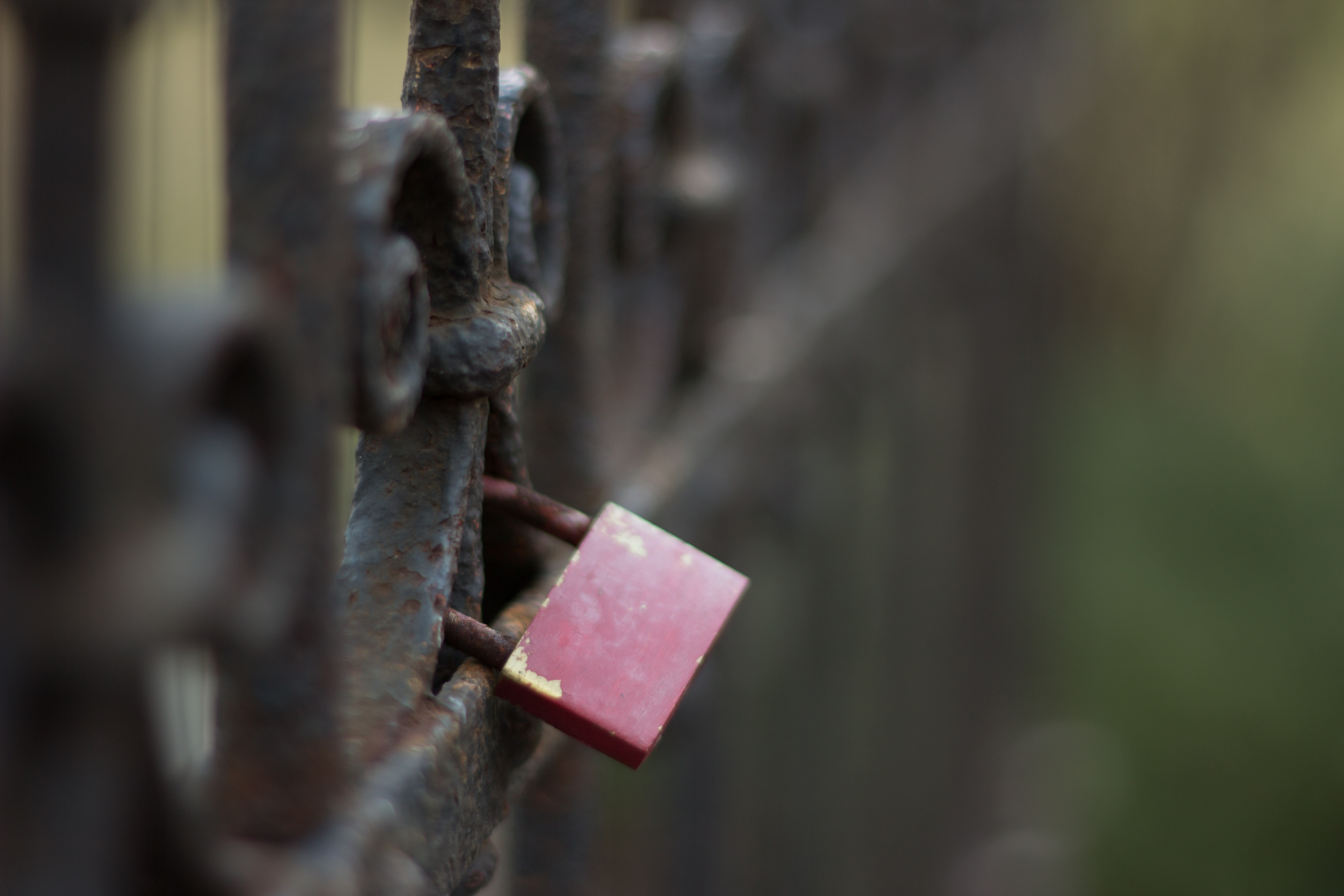
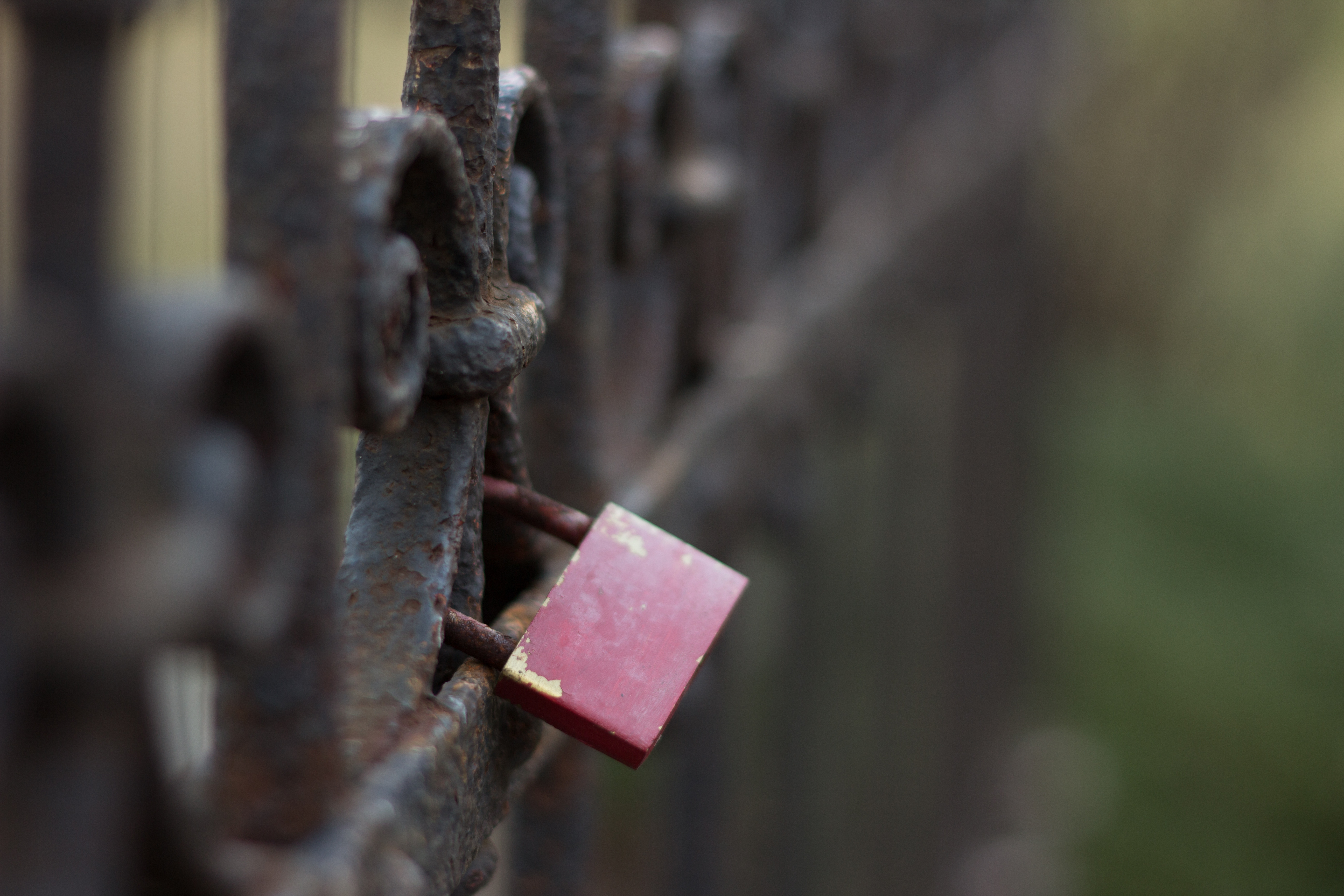
Canon EF 50mm f/1.8 II Minta fotók

Copyright 2006 - 2010 © Pixinfo Kft. | Weboldal dizájn | Logó dizájn | Szerver hoszting | Snapfish online fotókidolgozás