
Objektívkereső
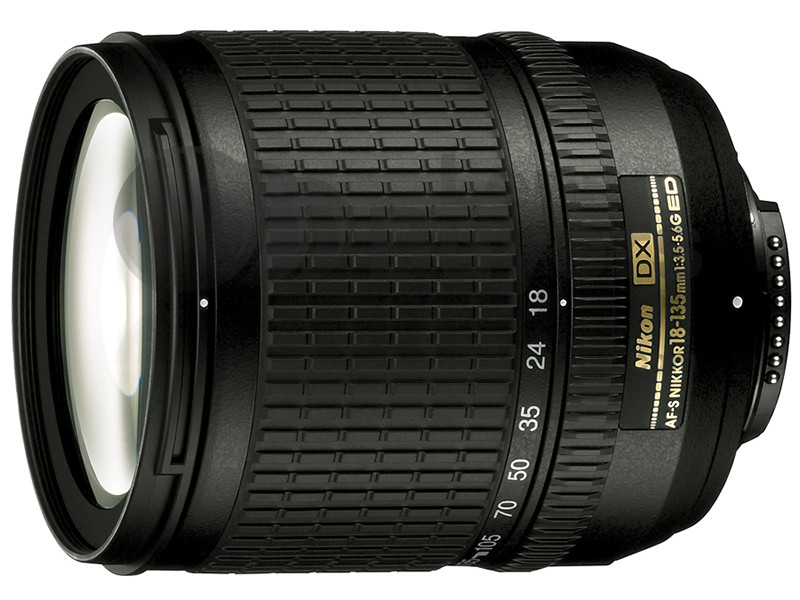
Nikkor 18-135mm f/3.5-5.6G IF-ED AF-S DX
 |
APS-C méretű vetített képAz APS-C méretű képet vetítő objektíveket kimondottan a digitális fényképezőgépekhez fejlesztették, ezért nem használhatók filmes gépeken, vagy olyan digitális fényképezőgépeken, amelyekben az APS-C méretűnél nagyobb érzékelő található. Ultrahangos AFAz ultrahangos automatikus élességállítással szerelt objektívek általában halkabbak és gyorsabbak, mint a tradicionálisan működő objektívek. Nem léptetőmotoros AF-esA léptetőmotoros automatikus élességállítással szerelt objektívek jobbak a kontraszt alapú élességállításnál és általában halkabbak és gyorsabbak, mint a tradicionálisan működő objektívek. Egy vagy több alacsony szórású lencsetag is van benneAz alacsony szórású lencsetagok segítenek csökkenteni a kromatikus aberrációt. Nem stabilizáltA képstabilizátor segít csökkenteni a kéz remegéséből adódó elmosódásokat. A stabilizátor hatása elsősorban nagy gyújtótávolságnál és gyenge megvilágításnál érezhető. A képstabilizátor 1-3 fényértéknyi előnyt biztosít a nem stabilizált objektívekhez képest. Fém bajonettAz olcsóbb objektívek általában műanyag, míg a drágábbak fém bajonettel készülnek. Általában a fém bajonettek tartósabbak, így gyakori objektívcserénék ez a szerencsésebb. Ha egy fényképezőgépet főleg egy objektívvel használunk, akkor a bajonett anyaga nem annyira lényeges. Belső élességállításúA belső élességállítású objektívek mérete az élességállítás során nem változik. Nem belső zoomosA belső zoomos objektívek mérete a gyújtótávolság állításakor (zoomoláskor) nem változik. A front lencse fixA fix frontlencse az élesség és/vagy a gyújtótávolság állításakor nem fordul el. Ez lehetővé teszi, hogy a fotós szirom alakú napellenzőt használjon. A fix frontlencse megjönnyíti a polarizációs szűrők használatát is. Nem időjárásállóAz időjárásálló objektívek védettek a víz és a por ellen. Ugyan nem vízállóak, de esőben és más nedves, párás környezetben is jól használhatók. Egyes szigetelések csak a víz vagy csak a por ellen védenek, nem mindkettő ellen. A szigetelés csak akkor működik, ha az objektív egy hasonló módon szigetelt vázon van. Nincs becsúsztatható szűrőA becsúsztatható szűrőket olyan objektíveknél alkalmazzák, amelyek frontlencséje túl nagy, illetve amelyek látószöge túl nagy ahhoz, hogy hagyományos szűrőket lehessen rájuk tenni. Általában a nagy fényerejű tele, illetve az ultra-nagy látószögű objektíveknél fordul elő ez a megoldás. |
|
Nagy teljesítményű kompakt és könnyű 7,5x-es zoomátfogású objektív Nikon DX formátumú tükörreflexes digitális fényképez?`géphez.
|
Nikkor 18-135mm f/3.5-5.6G IF-ED AF-S DX Specifikáció
| Elérhető bajonett(ek) | Nikon F |
| Felhasználási terület(ek) | Portré, Tájkép, Épület |
| Kategóriák | Standard zoom, Tele zoom |
| Szorzó | 1.5× |
| Stabilizátor | nem |
| Gyújtótávolság | 18 - 135 mm (7,5× zoom) |
| Objektív felépítése | 15 lencsetag 13 csoportban |
| Látószög |
35mm: nincs adat digitális: 76-12° |
| Lamellák száma | 7 |
| Legnagyobb blende | nagy látószög: f/3,5 tele: f/5,6 |
| Legkisebb blende | nagy látószög: f/22 tele: f/38 |
| Legkisebb tárgytávolság | 45 cm |
| Nagyítás | 0,24× |
| Szűrőmenet | 67 mm |
| Méret | ∅ 73.5 × 86.5 mm |
| Tömeg | 385 g |
| Megjegyzések |
|
| AF sebesség | nincs adat |
| AF hang | |
| Belső élességállítás | igen |
| Belső zoom | nem |
| Fix frontlencse | igen |
| Bajonett típusa | fém |
| Időjárásálló | nem |
| Becsúsztatható szűrők | nem |
| Ultrahangos AF | igen |
| Léptetőmotoros AF | nem |
| APS-C méretű vetített kép | igen |
| Alacsony szórású lencsetag | igen |
| Kemény tok | nincs adat |
| Puha tok | CL-0915 |
| Napellenző | HB-32 |
| Állvány adapter | nincs adat |
Nikkor 18-135mm f/3.5-5.6G IF-ED AF-S DX Tesztek
Other reviews
- Nikkor 18-135mm f/3.5-5.6G IF-ED AF-S DX teszt a www.cameralabs.com oldalon (angol)
- Nikkor 18-135mm f/3.5-5.6G IF-ED AF-S DX teszt a dc.watch.impress.co.jp oldalon (japán)
- Nikkor 18-135mm f/3.5-5.6G IF-ED AF-S DX teszt a www.lenstip.com oldalon (angol)
Nikkor 18-135mm f/3.5-5.6G IF-ED AF-S DX a hírekben
- Tamron SP AF60mm f/2.0 Di-II MACRO
- Nikkor AF-S DX Micro 85mm F3,5G ED VR
- Sigma 17-70mm f/2,8-4 DC OS HSM MACRO
- Nagy fényerejű Carl Zeiss 35mm/F2 Canonra
- Sony SAL2875 28-75mm F2.8 SAM
- Carl Zeiss Distagon T* 28mm f/2
- Négy új ZuikoDigital objektív: 12-60mm, 50-200mm, 14-35mm, 70-300mm
- Négy új ZuikoDigital objektív: 12-60mm, 50-200mm, 14-35mm, 70-300mm
- Négy új ZuikoDigital objektív: 12-60mm, 50-200mm, 14-35mm, 70-300mm
- Négy új ZuikoDigital objektív: 12-60mm, 50-200mm, 14-35mm, 70-300mm
- Pentax DA 18-250mm/F3,5-6,3 ED AL [IF]
- Canon EF 200mm/F2,0 L IS és 800mm/F5,6 L IS
- Canon EF 200mm/F2,0 L IS és 800mm/F5,6 L IS
- Stabilizátoros Leica ultrazoom
- Leica D VARIO-ELMAR 14-50mm/F3.8-5.6 MEGA O.I.S.
- Tokina AT-X 35mm f/2,8 Macro DX késés
- Sigma 18-200mm/F3,5-5,6 DC Nikonokhoz
- Tamron 70-300 mm/F4-5,6 Di LD Macro fókuszmotorral
- Nikkor fényer?`s fix teleobjektívek AF-S 400mm/F2.8 VR, 500mm/F4 VR, 600mm/F4 VR
- Nikkor fényer?`s fix teleobjektívek AF-S 400mm/F2.8 VR, 500mm/F4 VR, 600mm/F4 VR
- Nikkor fényer?`s fix teleobjektívek AF-S 400mm/F2.8 VR, 500mm/F4 VR, 600mm/F4 VR
- 3 új Canon objektív: 14mm/F2.8 L II, 18-55mm IS, 55-250mm IS
- 3 új Canon objektív: 14mm/F2.8 L II, 18-55mm IS, 55-250mm IS
- 3 új Canon objektív: 14mm/F2.8 L II, 18-55mm IS, 55-250mm IS
- Min?`ségi Nikkor AF-S 14-24mm és 24-70mm nagy fényer?`vel
- Min?`ségi Nikkor AF-S 14-24mm és 24-70mm nagy fényer?`vel
- Carl Zeiss Distagon T* 28mm f/2 EF bajonettel
- Tamron SP AF17-50mm f/2.8 XR Di II VC LD Aspherical
- Carl Zeiss Distagon T* 21mm F2,8 ZE Canonra
- Carl Zeiss Distagon T* 18mm f/3,5 Canonra
- Stabilizált Sigma 70-300mm f/4-5,6 DG OS
- Két új M. Zuiko Digital objektív
- Két új M. Zuiko Digital objektív
- Tokina 11-16mm/f2,8 DX Sony gépekhez
- Hamarosan itt az új Sigma 17-70mm
- Canon EF 70-200mm F2,8L IS II USM
- smc Pentax D FA 100mm F2.8 WR Macro
- Nikkor AF-S 300mm F2,8G ED VR II és TC-20E III.
- Carl Zeiss optikák Canon csatlakozással
- Carl Zeiss Planar T* 85mm/1,4 ZF.2 és 50mm/1,4 ZF.2
- Carl Zeiss objektívek CPU-val
- Carl Zeiss objektívek CPU-val
- Carl Zeiss objektívek CPU-val
- Carl Zeiss objektívek CPU-val
- Carl Zeiss objektívek CPU-val
- Sigma 70-300mm F4,0-5,6 DG OS Sony és Pentax csatlakozással
- Tamron 17-50mm/F2,8 Di-II VC LD Canonhoz is
- Nikkor AF-S 16-35mm f/4 G ED VR
- Nikkor AF-S 24mm f/1.4G ED
- Pentax és Sony változatban a Sigma 17-70mm
- Voigtländer APO-LANTHAR 90mm F3,5 SL-II
- ?sj FLD lencsetag a Sigma objektíveiben
- ?sj FLD lencsetag a Sigma objektíveiben
- ?sj FLD lencsetag a Sigma objektíveiben
- Sony bajonettre is csatlakozik a Tokina 11-16mm
- Sigma APO 50-500mm f4.5-6.3 DG OS HSM
- Sigma 85mm f/1.4 EX DG HSM
- Sigma 17-50mm F2.8 EX DC OS HSM
- Sigma 8-16mm f4.5-5.6 DC HSM
- Carl Zeiss Planar T* 85mm/1,4 ZF.2 és 50mm/1,4 ZF.2
- Sigma APO 70-200mm F2.8 EX DG OS HSM
- Hamarosan boltokban az új Canon 70-200mm F2,8L IS
- LUMIX G Vario 14-42mm F3,5-5,6 ASPH. MEGA O.I.S.
- Nikkor AF-S 200-400mm F4 G ED VR II
- Lumix G FISHEYE 8mm F3,5
- Négy objektív a Nikon 1 rendszerhez
- Négy objektív a Nikon 1 rendszerhez
- Négy objektív a Nikon 1 rendszerhez
- Négy objektív a Nikon 1 rendszerhez