Objektívkereső

Tippek:
Írjon legalább 2 karaktert
Próbálja meg így szűkíteni a keresést: pl. 70 300 is
Ha hasznosnak találja ezt az oldalt, akkor vásárolja meg objektívjeit és kiegészítőit partnereinktől. Köszönjük a támogatását.

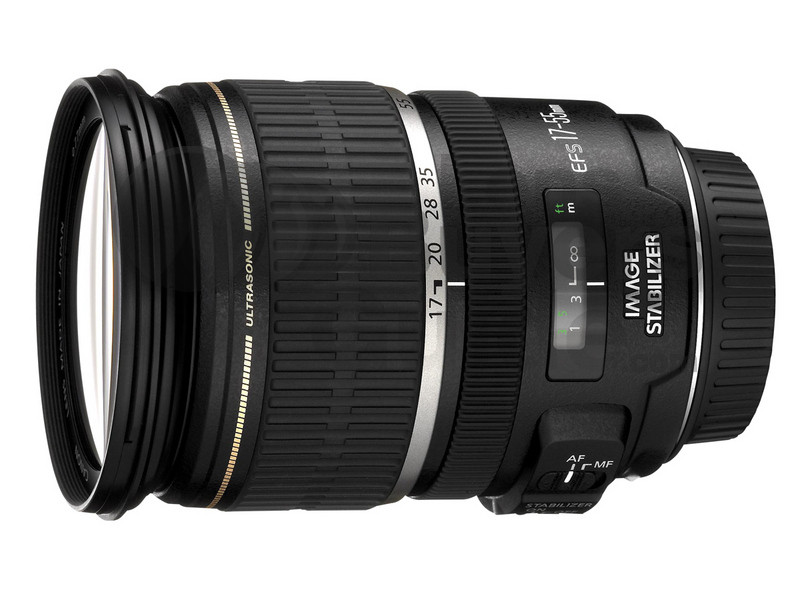
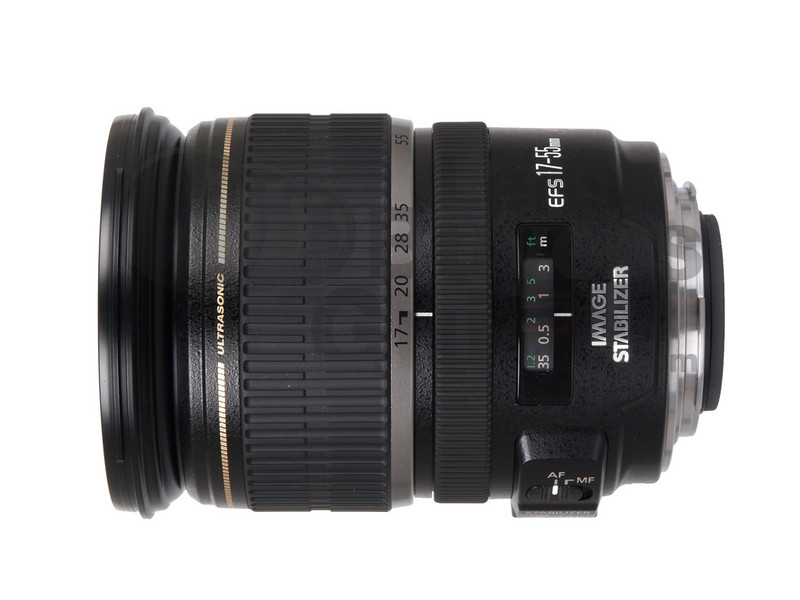
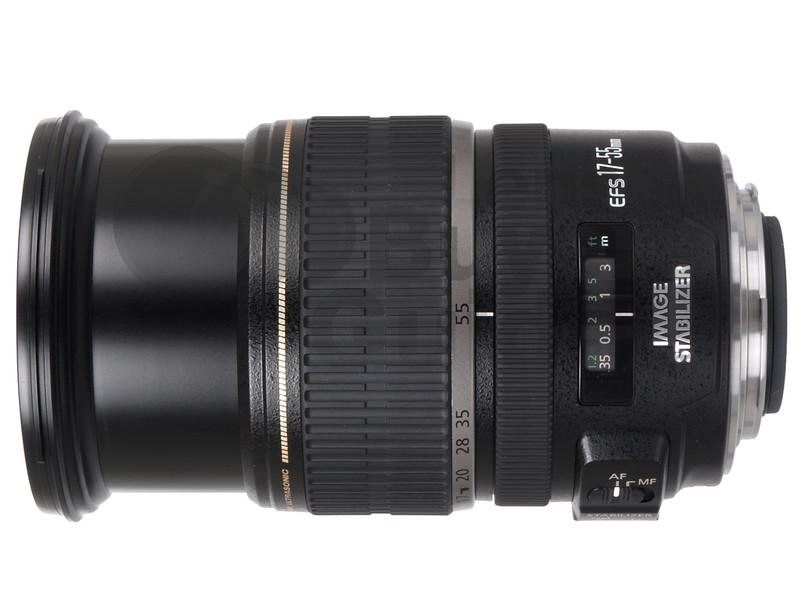
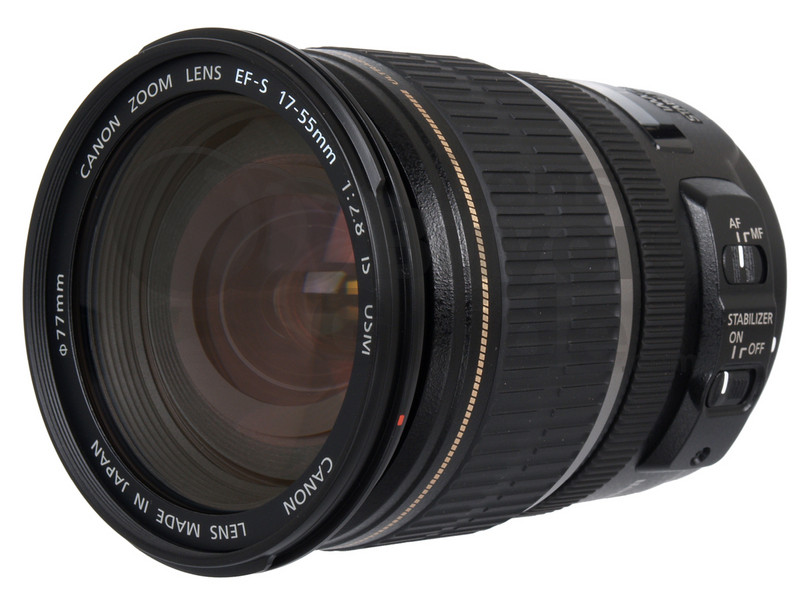
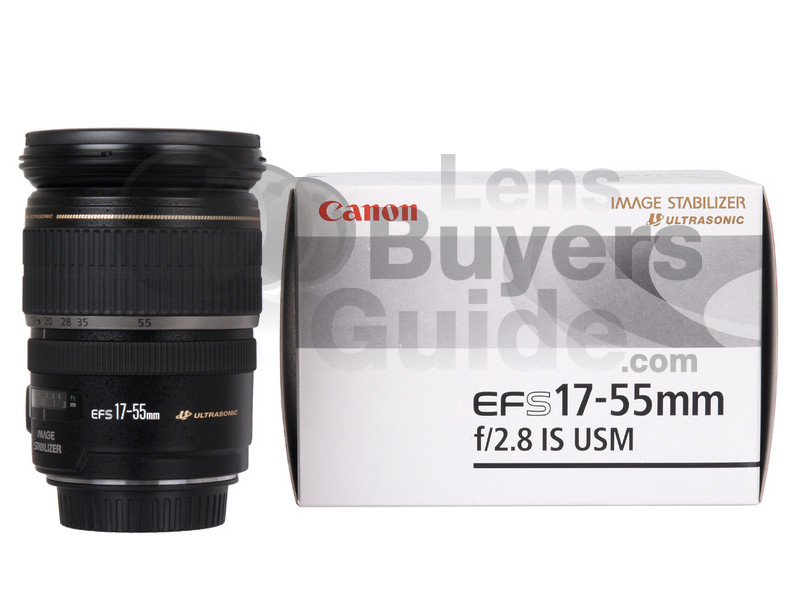
Canon EF-S 17-55mm f/2.8 IS USM


APS-C méretű vetített kép

Az APS-C méretű képet vetítő objektíveket kimondottan a digitális fényképezőgépekhez fejlesztették, ezért nem használhatók filmes gépeken, vagy olyan digitális fényképezőgépeken, amelyekben az APS-C méretűnél nagyobb érzékelő található.


Ultrahangos AF

Az ultrahangos automatikus élességállítással szerelt objektívek általában halkabbak és gyorsabbak, mint a tradicionálisan működő objektívek.


Egy vagy több alacsony szórású lencsetag is van benne

Az alacsony szórású lencsetagok segítenek csökkenteni a kromatikus aberrációt.


Beépített képstabilizátor

A képstabilizátor segít csökkenteni a kéz remegéséből adódó elmosódásokat. A stabilizátor hatása elsősorban nagy gyújtótávolságnál és gyenge megvilágításnál érezhető. A képstabilizátor 1-3 fényértéknyi előnyt biztosít a nem stabilizált objektívekhez képest.


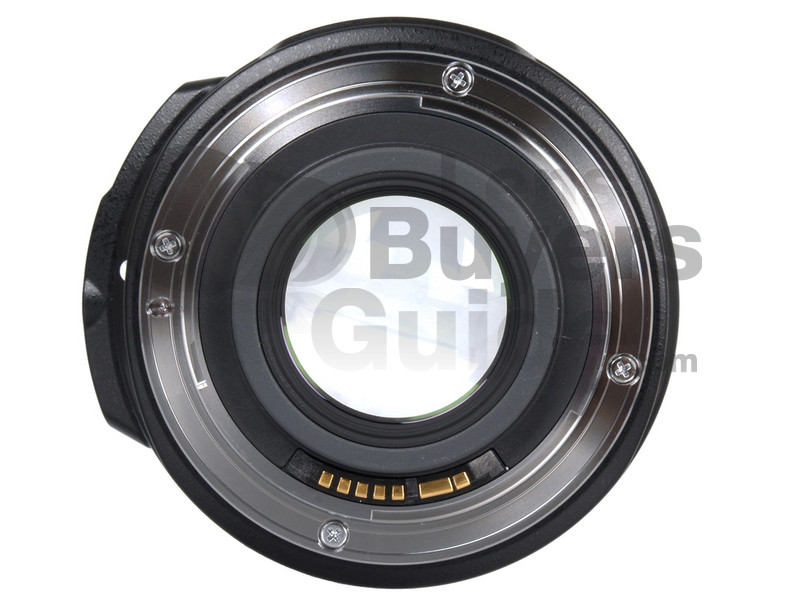
Fém bajonett

Az olcsóbb objektívek általában műanyag, míg a drágábbak fém bajonettel készülnek. Általában a fém bajonettek tartósabbak, így gyakori objektívcserénék ez a szerencsésebb. Ha egy fényképezőgépet főleg egy objektívvel használunk, akkor a bajonett anyaga nem annyira lényeges.


Belső élességállítású

A belső élességállítású objektívek mérete az élességállítás során nem változik.


Nem belső zoomos

A belső zoomos objektívek mérete a gyújtótávolság állításakor (zoomoláskor) nem változik.


A front lencse fix

A fix frontlencse az élesség és/vagy a gyújtótávolság állításakor nem fordul el. Ez lehetővé teszi, hogy a fotós szirom alakú napellenzőt használjon. A fix frontlencse megjönnyíti a polarizációs szűrők használatát is.


Nem időjárásálló

Az időjárásálló objektívek védettek a víz és a por ellen. Ugyan nem vízállóak, de esőben és más nedves, párás környezetben is jól használhatók. Egyes szigetelések csak a víz vagy csak a por ellen védenek, nem mindkettő ellen. A szigetelés csak akkor működik, ha az objektív egy hasonló módon szigetelt vázon van.


Nincs becsúsztatható szűrő

A becsúsztatható szűrőket olyan objektíveknél alkalmazzák, amelyek frontlencséje túl nagy, illetve amelyek látószöge túl nagy ahhoz, hogy hagyományos szűrőket lehessen rájuk tenni. Általában a nagy fényerejű tele, illetve az ultra-nagy látószögű objektíveknél fordul elő ez a megoldás.

27-88 mm-es hasznos gyújtótávolság-tartományával (35 mm-es gépre vetítve) az EF-S 17-55mm f/2.8 IS USM egy erőteljes objektív, amely figyelemre méltó képminőséget nyújt. A széles látószögű zoom révén terjedelmesebb témákat örökíthet meg, így a tér és a perspektíva új érzetét keltheti felvételein. A nagy, f/2.8-as fényerő gyenge fényviszonyokban is kiváló eredményt nyújt. A fényerő a teljes gyújtótávolság-tartományban állandó, a záridő növelése nélkül is lehetővé téve a kb. 27 mm-ről 88 mm-re történő zoomolást (35 mm-es gépre vetítve). A képstabilizátor 3 fényértéknyi záridő többletet biztosít az elmosódás bármilyen mértékű növekedése nélkül. A képstabilizátor gyenge fényviszonyok között, gyorsan mozgó témák, illetve mozgó járműből való fényképezés esetén is megkönnyíti a felvételkészítést. A folyamatos kézi élességállítás az AF funkció kikapcsolása nélkül is használható. Az optimalizált Super Spectra bevonat és a lencsetagok alakja kiküszöböli a digitális fényképezőgépekben a képérzékelőről való fényvisszaverődés miatt keletkező szellemképeket és becsillanást. A speciális bevonatok emellett jelentősen hozzájárulnak a valódi színegyensúly eléréséhez és az élénk, kontrasztos felvételekhez.

Canon EF-S 17-55mm f/2.8 IS USM Specifikáció

Elérhető bajonett(ek) Canon EF-S
Felhasználási terület(ek) Portré, Tájkép, Épület
Kategóriák Standard zoom
Szorzó 1.5×
Stabilizátor igen (3 blende előny)
Gyújtótávolság 17 - 55 mm (3,2× zoom)
Objektív felépítése 19 lencsetag 12 csoportban
Látószög 35mm: nincs adat
digitális: 78.5-27.2°
Lamellák száma 7
Legnagyobb blende nagy látószög: f/2,8 tele: f/2,8
Legkisebb blende nagy látószög: f/22 tele: nincs adat
Legkisebb tárgytávolság 35 cm
Nagyítás 0,17×
Szűrőmenet 77 mm
Méret ∅ 83.5 × 110.6 mm
Tömeg 645 g
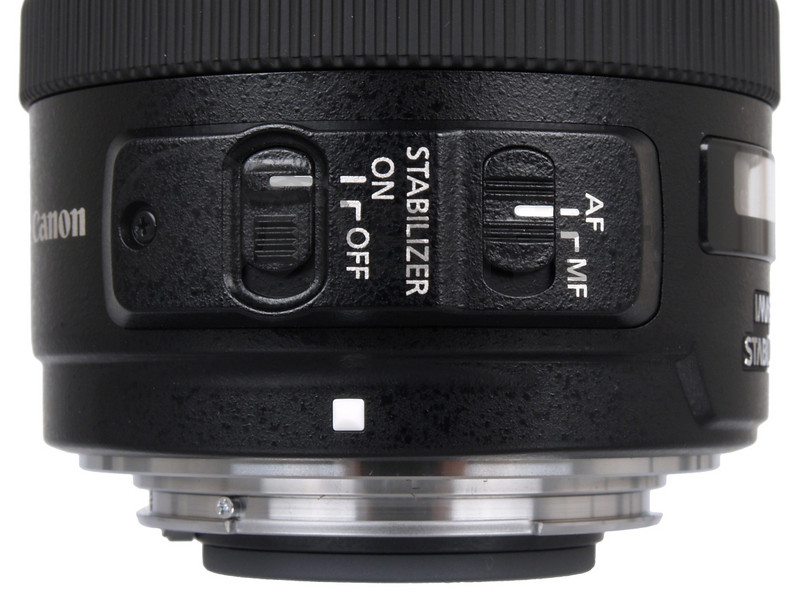
Megjegyzések Beépített mechanikus folyamatos kézi élességállítás. Képstabilizátor: 3 Fé
AF sebesség nincs adat
AF hang
Belső élességállítás igen
Belső zoom nem
Fix frontlencse igen
Bajonett típusa fém
Időjárásálló nem
Becsúsztatható szűrők nem
Ultrahangos AF igen
APS-C méretű vetített kép igen
Alacsony szórású lencsetag igen
Kemény tok nincs adat
Puha tok LP1219 (nem tartozék)
Napellenző EW-83J (nem tartozék)
nyomtatható napellenző
Állvány adapter nincs adat
Canon EF-S 17-55mm f/2.8 IS USM Specifikáció

Canon EF-S 17-55mm f/2.8 IS USM Tesztek

Other reviews

Canon EF-S 17-55mm f/2.8 IS USM Olvasói tesztek

Leghasznosabb olvasói vélemények az Amazonról

Can you afford it and more importantly do like 1.6 form factor?

2006. május 03.

If so then this lens is your best choice for a quality wide angel lens on your 1.6 form factor DSLR. Otherwise consider the 17-40 L, which offers unbeatable value compared to this lens and others.

But make no mistake about it this lens offers performance at par with the best Canon wide angel lenses. The lens produces sharp images with low chromatic aberration and average distortion. The elements coating produce excellent contrast and colors. Vigentting, however, is week spot on this lens as it can be noticeable wide open, but it isn't too hard to correct. Thanks, in part, to its wide aperture focus is fast and precise. Overall, this lens is at par with other quality wide angel lenses, but it stands out with two awesome features focal length and IS.

FOCAL LENGTH: If you used the 18-55 kit lens before and then switched to some wide prime or zoom you probably never looked back except for one thing, yup its those extra few mm on the telephoto end. They do make a difference; having used the 17-40, I found the lost 15mm a little annoying to give up at times. This lens takes care of that. With the 1.6 crop this lens will offer you a field of view of 27-88 (or think of it as a 28-90), which is an excellent focal length for walking around and taking pictures.

Having a hard time visualizing what those extra 15mm can do for you? Then consider the difference between my 17-40 L and this lens. At 55mm the object of interest in an image will be almost one and a half times as big as it would be on 40mm. For example, at 40mm if a tree is 1 inch in an image it will be almost 1.5 inch at 55mm (1.375 inch to be exact).

Remember every time you double the focal length (ex: 35mm to 70mm) you double the size of the objects in your image. In the same token you are also cropping by half, so the total image area would be half of that in the wider focal length. So do you need the extra 15mm this lens offers vs. another lens like the 17-40 or the 16-35? I would say yes, but that alone would not justify paying double for this lens. The next features, however, would make the price more acceptable.

IMAGE STABILIZATION: That feature is defiantly worth a couple hundred dollars in my opinion. It makes taking sharp pictures so much easier by as much as 3 stops. If you plan to use this lens as a walk around again this feature will come in handy because you will be able to shoot in almost any situation. Plus the high aperture makes it even better in that area. That's one thing I would hope I can get from my walk around lens.

All in all those two feature plus its high IQ makes it one awesome lens that offers many great new improvements over the previous wide angel options. Then what explains the 4 star rating? Sadly Canon used cheaper materils to make this lens. The lens feels pretty solid but doesn't have the quality build of a $1000+ lens. If you have used any L lens before you will be some what disappointed. I am not asking Canon for weather sealing here all what I am saying is that for that kind of price Canon should have used less plastic and more of the high quality magnesium they use on the L lenses. Plus they should have included a hood with the lens!


UPDATE MAY 27: I cam across several reviews that compare this lens to the infamous 24-70 2.8 L. Most reviews point to the higher image quality the 17-55 produce. I don't own the 24-70, but if those initial reviews prove accurate then that would make the 17-55 2.8 one heck of an amazing lens. With that in mind crop body users can finally feel special.

Very fine lens. My choice for daily walkaround use.

2006. december 05.

This is a tough review. Many of the other reviews have touched on issues that may, or may not apply, and pretty much follow the lead of the internet photo pundits in content. They are legit issues, but not that important from my current perspective.

OK, here it is... First, I'll answer the concerns about the halflife of the crop sensor camera in general. It's a non issue, as I see it. Nikon is committed to crop sensor cameras for at least a generation. Canon is in the same boat with their crop sensor cameras. Witness the latest Rebel XTi. It boosts Canon APS sensors to over 10 MP, includes new chip set, and makes the thought of a continued series of APS sensor cameras with new tech features a no brainer. Sure, Canon will be marketing full frame sensor bodies. Sure, I will buy at least one in time. Then again, my APS sized crop sensor cameras will always be the choice for certain jobs, and will keep all of my current and future "S" lenses employed for decades.

I own some L lenses, and some full frame non L lenses, but my S lenses are the key to making APS sensor bodies excell. I already own two APS bodies, and if the new Rebel XTi is an indicator, I will own more in the future. Buying S lenses is not a sideshow, nor a dead end. It is just different.

If you desire a full frame camera in your future, choose lenses wisely. Buy what you need for the APS sensor bodies, and buy the rest to suit both bodies. If you never buy a full frame sensor body, no big deal, as the APS cameras will keep you very happy for years to come.

Meanwhile, I'll buy the next gen full frame Canon DSLR because I'm addicted to camera tech, but in the meantime, I won't starve my desire to fill out my APS body lens choices, as I know they will be around for many years to come.

OK, back to the lens at hand. It's a fine lens by any standard. People who bashed it's build quality might have been led astray by internet influence, but I can't imagine any complaints coming from people who used the lens over time. It is a very well built lens, with very smooth control surfaces. It's not made of metal (the lens mount is), but it is a supurb quality lens. It is light. It is solid in construction. It is smooth. It's optical quality is nothing less than outstanding, and it is a pleasure to operate.

Did I mention that it has IS? That is what places it above anything else on the market today. The 17-55 S IS is finely tuned glass. It is built well, and competition simply doesn't exist at this point in time. Sorry, but it's true. Where is the Sigma, Tamron or Tokina lens that can best the optics, focus speed, smooth controls, and IS of this lens? Hmmm... They don't exist.

This lens isn't cheap, but it is the perfect addition to an APS sensor body as a standard zoom. Did I mention that it is f/2.8 from one end to the other? You can't beat this lens with a stick. Buy it.

This lens, along with the 10-22 S USM make a powerful package for a Rebel owner, or a 10,20,30D owner. I added a 50 f/1.4 USM, a 100 f/2.8 macro lens, and the 70-200 mm IS L f/2.8 zoom to round out the package. Notice that only two lenses are "S" lenses, and the rest can be used on any Canon body. The S lenses were key though, as they let my 30D take awesome ultra wide angle shots to mild telephoto, while the full frame lenses allow it to get extreme on the far end with high quality results.

Full frame might be in your Canon future, but APS is here now, and here to stay. You can buy a few S lenses today, use them for years to come, and buy more L lenses as they are retooled to include the IS feature. Other than the S 10-22 USM, I wouldn't buy a non IS L (or near L) lens at this point in time. I suspect that they will all be gone within a few years, and replaced by a better, all IS lineup.

One last thing.. Several people have complained about dust problems with this lens. So far, I have not had any dust problems, and even though dust on the elements will not likely degrade the image, it is irritating to see. If my lens develops dust issues, I will post an update right away.


The best Lens for 1.6x Crop Canon DSLRs

2006. december 29.

I received my Canon EF-S 17-55mm f/2.8 IS USM lens today (12/28/06). It feels heavier by far than the 18-55mm kit lens, but lighter than I expected. Feels good (well-balanced) cradling the lens in the left hand near the base of the lens when mounted to my Canon Digital Rebel XT. I put the lens on the camera right away in a manner that would limit the opportunity for dust to intrude on the back of the lens or into the camera, since I've read about this lens not being sealed as well as "L" series Canon lenses. I may never take it off. 8-)

This lens focuses fast and sure--even in low light, no hunting around to lock onto a subject. Pictures taken with the camera hand-held at 1/10 to 1/15 sec shutter speeds inside with no flash were tack-sharp (Thanks to the IS). With F2.8 and IS, this lens opens up a whole new world of natural low-light photography. Not only are more inside shots possible, you also have the versatility to create gorgeous bokeh. You create these bokeh effects generally zoomed to 55mm (where the kit lens' max aperture is F5.6). Since the EF-S 17-55mm f/2.8 has a constant F2.8 max aperature, you don't have to worry about the depth of field increasing as you zoom. It is so confidence-inspiring to walk around and set your aperture where you want it to give you the depth of field you want, and not really worry about the shutter speed being too slow. Some of my outside dusk (low-light) shots at 1/6 sec shutter and F22 came out sharp (Thanks again to IS). I almost got vertigo when I first looked at my pics uploaded to my PC--they were so realistic. Images really pop!

The decision to go with this lens instead of some of the "L" grade lenses involved the following criteria:

1. Focal Length Range. I wanted at least the range of the 18-55mm kit lens.

2. Max Aperture. I wanted f/2.8, since f/4 is too confining for low-light situations. Also, f/4 doesn't give you the depth of field limiting ability of f/2.8. Trade-off is size and weight (and price).

3. Constant Max Aperture. I wanted a constant max aperture throughout the zoom range. I don't want to set the aperture and have the camera stop it down due to the max aperture decreasing as you zoom in (as is the case with the kit lens).

4. USM. I wanted the Ultrasonic Motor (USM) feature, since this is known to be the fastest and quietest autofocus technology.

5. IS. I wanted Image Stabilization (IS), since this effectively makes your lens faster, because you can shoot in lower light at lower shutter speeds without fear of blur (provided the subject is still). Also, zoomed-into 55mm, camera shake can be more of a problem than at shorter focal lengths. IS has got you covered there as well. This lens only has one IS mode (no mode for panning).

6. Full Format or Crop-optimized. It is true that going with a full format lens would mean that you could use it on any DSLR (35mm film, APS-C DSLR, and Full Format DSLRs such as the 5D and 1Ds Mark II). However, full format lenses are not optimized for the 1.6x crop of the Canon DSLRs Rebel through 30D. The crop-optimized lenses (designated by the "EF-S" in the model name) are tailored to the smaller image sensors of the APS-C camera bodies. The lens elements and coatings are designed to minimize the ghosting and flare that can come from reflections off of the image sensors in digital cameras. Also, the crop-optimized lenses tend to be smaller, lighter and less expensive than otherwise identical full format lenses. I considered the EF 17-40mm f/4L, the EF 24-70mm f/2.8L and the EF 24-105mm f/4L. But, none of these had the focal length range I wanted, and two of them weren't fast enough (f/4), and the EF 24-70mm f/2.8L was very heavy (2.1 lbs). I determined there was no need to sacrifice performance now for some possible benefit later on if I purchase a full format camera. If I ever do, I would hope there would be full format lenses that have been designed to limit chromatic aberrations and introduce other digital optimizations currently provided by the crop-optimized APS-C format-only lenses. Besides, you can always continue to use your old camera and lens as a back-up, or you can sell them to help purchase the new ones.

7. Grade ("L" series or Advanced Amature). Of course, if all else is equal, take the "L" lens with the red stripe. But, all else is not equal. I'd rather have an optically superior lens that is well-built (although not as well as an "L" series) that meets all my other criteria, and just be careful to keep the dust out. The EF-S 17-55mm f/2.8 is expensive (I paid $[...] on [...]). But, I'm sure if there were an "L" series version of this lens, it would be even more expensive.

Conclusion: This is one great lens! There's nothing else out there for 1.6x crop digital cameras that gives you the sweet spot of zoom range, low light capability, depth of field control, image stabilization, fast and quiet auto-focus, and superior image quality rivaling prime lenses. And to put the considerable weight (22.8 oz.) into perspective, it is still 3.8 oz. lighter than the very good digital-only Nikon 17-55mm f/2.8, and the Nikon does not even have image stabilization (and costs more to boot). Game, set and match!

UPDATE 2/3/07: I've taken 1000+ pictures. I'm impressed with battery life given that I thought IS would use a lot of power. But, since flash is nearly never needed (due to f/2.8 and IS), battery life has seemingly been extended. I didn't realize how much I would grow to expect a stable image through the viewfinder until I looked through a viewfinder with a lens without IS and saw the image shaking. Note that cameras with built-in image sensors (such as Sony Alpha) don't stabilize the viewfinder. The EF-S 17-55mm f/2.8 IS USM autofocus locks-on amazingly fast even in low light. No apparent optical weak spots at any focal length or aperture. Lens hood (optional) eliminated most, but not all, flares from bright sun. I think this is the best, most versatile walk-around lens you can get. I wish Canon would make an EF-S 55-200mm f/2.8 IS USM lens to pair it with so I could zoom in closer on distant wildlife, etc.

Upgrading your lens for Rebel XTi? 17-85 USM IS vs 28-135 USM IS vs 17-55 2.8f USM IS vs 24-105 4.0f USM IS

2008. január 08.

Folks, I know you want it short. But I am covering quite a bit of information and condensed it so that you can get good information and are able to digest it in less than 5 min.

It is quite surprising how many people are being "tortured" with the question on which lens is the right lens when it comes to finding the perfect lens to upgrade the Canon XTi Rebel kit lens (18-55) or even for the Canon 40D (which is often sold with the 28-135 USM IS lens).
I read about 500+ reviews and many of them I found very interesting but really did not answer my question on what a good lens is for the Rebel XTi... and with good reasons because YOU have to know what you want or need and then make a call. Here were the criteria I used and I hope you can leverage from these:

1. I wanted a lens which has a great picture quality to have a true upgrade feeling from the Canon 18-55 kit lens (during day light that lens is actually very good and with its light weight is a great carry around lens - however in low light or for really nice portrait shots this lens has limitations not to mention its built quality)

2. I wanted a versatile "Walk Around" lens with good zoom range to cover most of the picture I take (landscape and portraits) in addition to my telephoto lens (70-300mm)

3. If possible a low weight lens - however image quality was a higher priority for me

4. I wanted a Canon lens (though there are very good alternatives from Tamron and Sigma - however they have some disadvantages but given the lower price worth considering)

5. I wanted an Image Stabilizer (IS) and a low noise focus motor, i.e. Canon's USM

Many people are looking for a great "Walk Around" lens to avoid changing lenses all the time yet at the same time want great picture qualities. So, your criteria may be different and therefore your choice certainly a good one may differ from mine.
As one disclaimer upfront - I am not going into the professional details, i.e. vignetting differeneces at different aperture values or zoom ranges - to make it simple for many readers in this field who just want to make a good decision to buy a great lens without going through the trouble of returning lenses.

You will find many reviews on the cropped camera lenses (EF-S) and still people often don't get it right. So, if you have a cropped camera like the Canon Rebel XTi or Canon 40D then the cropped factor is 1.6. In other words no matter what lens you put on these cameras you will get the following zoom ranges which are different from the product names for the lenses:
Canon Lens Min Zoom Max Zoom
17-85: 27.2 - 136
28-135: 44.8 - 216
17-55 f2.8: 27.2 - 88
24-105 f4.0 L: 38.4 - 168
Source: Canon's website


I went through the extra burden of testing all the lenses myself and not just rely on reviews. So, I went ahead and rented them for 1-2 days and then made up my own verdict so to speak. I also took pictures in similar conditions, looked at them on the computer and printed them out to compare the lenses:

1) The first upgrade lens from Canon which comes to mind is the EF-S 17-85 USM IS f3.5-5.6 lens. This lens would have been a great kit lens but did not meet my requirements for an upgrade lens. It has a very good zoom range and it is still light weight. But the image quality is not as sharp as I would like it to be. And if you commit to spend more money (like $500 for this lens) then you don't want to waste it by just getting a bit more zoom range and an Image Stabilizer.


2) The first lens I actually tried was the EF 24-105 f4.0 USM IS L (luxurious) lens from Canon and I was really happy about the image quality. I was very close to buy this lens but wanted to check out other lenses first. Following drawbacks for me: it is not a wide-angle lens which is useful for landscape shots or even travels shots when you can't afford walking back 5-10 feet. Plus a wide angel lens can give you a nice effect on the picture itself. Another drawback is the aperture value of f4.0 in low light. An aperture factor of f2.8 is faster in low light (the lower the value the larger the aperture - think the Iris of your eye is getting larger and therefore you can see better in low light) and with a running kid or pet at home that is a true advantage. However, with the Image Stabilizer this would not be a big issue. (For more advanced people you can stop down one step to get enough light into the lens in low light conditions but if the object is in motion that may be tricky.)
A big plus however is the option to use this lens for any non-cropped canon camera. However, I am ok with using the Rebel XTi and if I want to upgrade to another body later then the 40D would be a great way to go. So, I don't mind to buy EF-S lenses. The EF-S lenses have the advantage that they are generally lighter weight than the full frame lenses.


3) The EF 28-135 USM IS f3.5-5.6 lens has a great zoom range (44-216) but does not have a wide angle (basically anything less than 35mm). However, if zoom range is your top criteria then I'd get the 24-105 L lens without a doubt over this 28-135 lens. For example when you are in full zoom and you are not in bright daylight your pictures will not be as sharp. I tried this lens and the image quality is simply not as good as the 24-105 L lens or the 17-55 f2.8 lens. The 24-105 is also more solidly built. It is a lot of metal built with this lens and it is sealed against dust and water. However, if budget is a constrain to you then the Canon 28-135 lens is a better option for you and according to many folks out there considered to be a better choice than even the EF-S 17-85 USM IS lens.


4) The EF-S 17-55 f2.8 USM IS lens was the last lens I tested and chose over the other three lenses. First, my expectations toward a great image quality (like the 24-105 L lens) were fully met. This lens is using similar components like the L lenses (but it is not fully sealed like the 24-105 L lens is) and shoots extremely well in low light conditions. Plus for a f2.8 (main advantage is large aperture which is very useful for taking great shots in dim lights and faster than f4.0 lenses). Also this lens has less weight (640g) in comparison to the Canon 24-70 EF L f2.8 lens (950g). So, you get a great lens with an acceptable weight. Even the zoom range is fully acceptable to me on my Rebel XTi which comes to 27-88mm. I can take very good portraits shots (without hitting someone's nose with the lens if you will) and it has very nice blur as well (meaning a sharp face in the front and with a blurry background). The only drawback is a flare on some pictures at the bottom of the image when you take pictures using its built-in flash due to the larger lens diameter. However you can either put a better (external) flash light or use Photoshop to correct this issue. I am not a professional photographer and for me this is ok. If you are a professional photographer then you are most likely not as interested in this article anyways.

+++Summary+++
The bottom line is that for a true upgrade lens to your kit lens for the Rebel XTi I would recommend the EF-S 17-55 f2.8 IS USM lens. It is worth the investment. This type of lens along with any other L lenses from Canon will always keep its value and you can certainly sell this lens a lot easier if that is the final information you were looking for... ;)


I hope this article helps you in directing your decision on which lens to buy. If you are still not sure about what to do then I can only recommend testing the lenses of your choice in a store or ideally rent them or ask your buddies to lend you a lens for a few days.

Good luck and enjoy taking great pictures to treasure your memories!

Uwe

Excellent Glass for 1.6 form factor

2007. február 25.

First. This lens loses a star only because It's not an L and I own the L equivalent which I use on a 5D and occasionally on 35mm. The L has better build and an edge in peformance, but I won't believe 95 of 100 who say they can tell the difference. This lens has excellent build quality and optical performance, plus it has IS. The latter is always an advanage if you don't mind the extra battery drain. I would rate most Ls as being 5 stars, but it's all relative. The lens combinesperformance, value and features for a much lower price than an L. As a general rule, you save small amounts of weight on lenses intended for 1.6 cameras.

I should say I have rough equivalent to L because there is no actual L equivalent in focal length or IS. Even inthe newest ieration, the L series is not aimed at non-professionals. Focal length may always be the same, but the effective focal length is another case with Canon which now offers in DSLR 1.0, 1.3 and 1.6. If you know what you're doing, you can just do the math for effective focal length and decide if it fits your shooting. you can also go by your own experience. I no longer own this lens, not because it was not excellent to outstanding, but because it did not fit my lens inventory needs any longer.

If I were still doing 1.6, I'd be inclined to rate it at 4.5 and the L at 5. And I'd tell you to buy this lens, not the L. Canon only makes a coulple of quasi-dogs for DSLR, I don't have a great opinion of the 18-55 which is sometims a kit lens and it's just so so. I have one, but I don't know why I keep it. I bought this lens not long after it was issued and liked it a lot, but it was a mistake because 1. I moved to and shoot mostly full frame and this won' t work for it and 2. it duplicates my daily working lenses in large part and 3, it doesn't cover my frame.

I use 16-35 f/2.8L and the 24-70 f/2.8L as the daily workhorses, i.e. 75-90 percent of what I'm interested in. I use the 70-300 DOand use an assortment of other lenses. I would recommend strongly buying this lens in preference to the L series if you use a conversion factor camera. Otherwise IMHO, you're throwing your money away. In 1.6, this is roughly a 28-88. The L 24-70 works out to approx 40-110, a useful focal length, but not much wide and not a lot of telephonto. But it works out for me because I can swap it from the 5D to a 20D and save weight in lens haul.

But it makes absolutely no sense to buy the 16-35L for a 1.6 factor unless you like to throw money around or you expct to move to full frame. Otherwise buy this lens and take advantag of the IS and use the difference to buy another good lense. If it seems steep to you, it doesn't for me. This is a high speed, complex zoom and image stabilation. It's a fair price although I wouldn't mid a couple hundred off. A 24 is not all that wide these days but a 16 still qualifies as a superwide. the 16-35 is designed as an wide angle lens, ultrawide to near normal. I wouldn't waste my money on it unless if could put that image on a full frame. That's why I bought one. Contrary to popular opinion, you don't gain anything by using a larger format lens on a smalle r format unless there is an huge difference in quality.That rarely happens. Optical design places theoretical limits on resolution.

A lot of the money for an L series lens goes to pay for it to cover the 35mm frame well. Its superior optics are lost in putting onto a smaller sensor. It isn't designed for it, this lens is. I think this would make a good match with the excellent 10x22mm lens for the 1.6 cameras. I've kept that lens even though it largely duplicates teL lens. But it's crisp, contrasty and swet. (I do lot of WA work and have 8mm fisheye to lenses mounted by adapter , all fixed focal lenth).

You'll like this lens a lot if 1.6 and ideally someone can lend you one or you otherise find a way to check it out.

Let me make a couple of notes from the standpoint of someone who worked as a pro long ago. A camera is a tool. A camera to impress clients rarely makes a better image. I collect cameras and right now am focusing on Leicas. When camera payments were like Mortagage payments, I couldn't justify Leicas and there were a lot of advantages to Nikons (at that time). I bought what I needed, not what impressed people. Don't buy cameras to impress people unless you can afford it. I didn't want to do weddings, but I had a high end Rollei and a Yashicamat that I used until the Rollei came along. I don't think anyone could see the difference. Fifty years ago, the story was to use a Graphic because people expected to see one. I used them when it made sense, which wasn't all that often in my case. I frequently carry very old cameras that surprise people. Right now my favorite is a very compact 1925 square folder with a couple of mods.Great images and there are others.

I've never been to Luxor, but I once did a lot of industrial work and digital dirty bothers me. Changing lenses on DSLRs in dusty places is asking for trouble. Don't do it if you can avoid it. I carry a changing bag for other reasons and sometims use it for lens swaps. But there are few lenses that can resist truly fine dust. In the past I actually used a Nikonos for dusty areas,. If,, it was bad enough, I'd consider a flexible underwater rig, i.e. the super Baggie principal with a lens provision. I check weather and circumstance and make provisions for shipping the cameras if something would keep them out of carryon I never carry tem in baggage. You can't trust your baggage to be safe.

Lens Hood. Most of my Canon lenses come with hoods and they stow well. Whether I use one is a different question. It is cheesy to not include it or a soft leather case that probably costs them a couple of dollars.

Don't obsess about whether a lens is an L or not. Some of the non-l's equal anything else you'll see and there won't be an equivalent L. The 100 mm macro is a great lens and I carry to most places. Several of the telephoto zooms are outstanding. Imay add another and it will probably be an L, but only because I'm looking for specific characteristics. If an L fits, buy it, but unless you're shooting full frame, be careful about throwing your money away. A lens designed to cover your frame i is optically designed to do that. To date, so far as I know, Canon has not made a DSLR L lens. ig deal. One of the best lenses I own is the 50mm f/1.4. I owned it before the L 50mm f/1.2 was issued. It's not worth the extra money but it is worth the price difference between it and the f/1.8. The speed difference is secondary to quality differences.

Characterisitics. There are plenty of tests that will tell you that Zooms at a given focal length are outdone by fixed focal length. It's true. There aren't many people if any who will see it. I like the zooms because they travel well and they very sharp. I sometimes try to use a fied focal length lens because aside from being a bit shaper and adjusted for that specific length, they're more compact. The L zooms look like telephotos where they are or not. They're a chunk. One other thing about zooms. If you work at it, you can get vigneting. Most lenses havea bit wide open, but rarely noticable. If you see this, make sure the film hoood is tight and check the filter heighth. I had one filer a millimeter too deep and it showed. Finally,

Peple mention flare. Use alens hood (and buy a rollable rubber hood). But zoom lenses have a tendency to flare more and they have other characteristics that aren't bad, just different sometimes. The typical quality zoom has elements ranging in number from about 18 to nearly 30. That's a lot of suface to cause flare. There are things I use fixd lenses for. But I spent a lot of time with this lense tryig to deliberately produce flare -- or how to avoid it.It's good, but if you work at it, you may see flare. There are circumstances shere I try to put the zoom aside for something else.

last, I've had some good third party lenses and som dogs. I'll take some tradeoffs but sharpnes is not one (within type). Given the price of lenses,I'd try to use some of these before I bought. I have a Tamron that is useful on 1.6 cameras, but I've had others that I wouldn't buy again

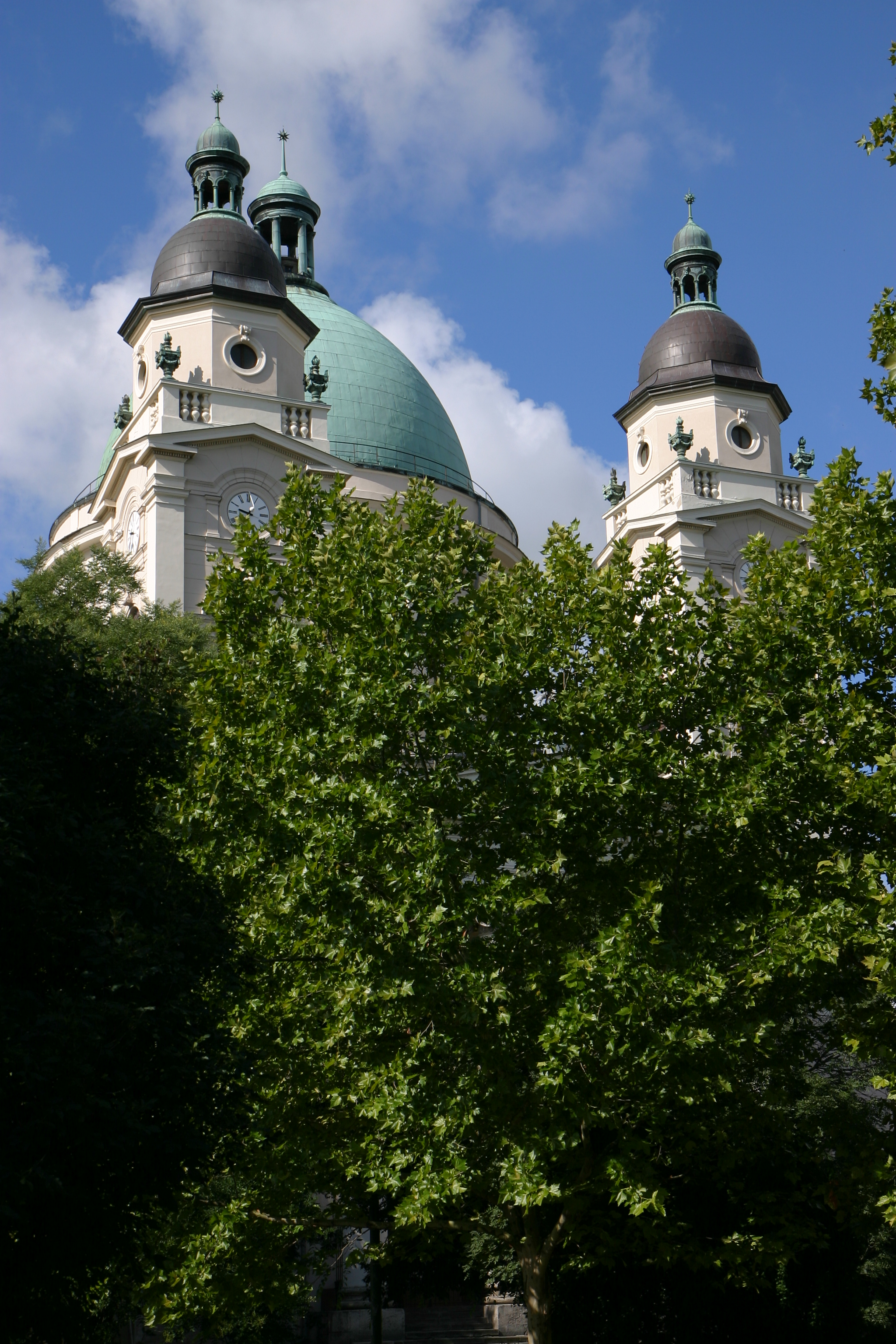
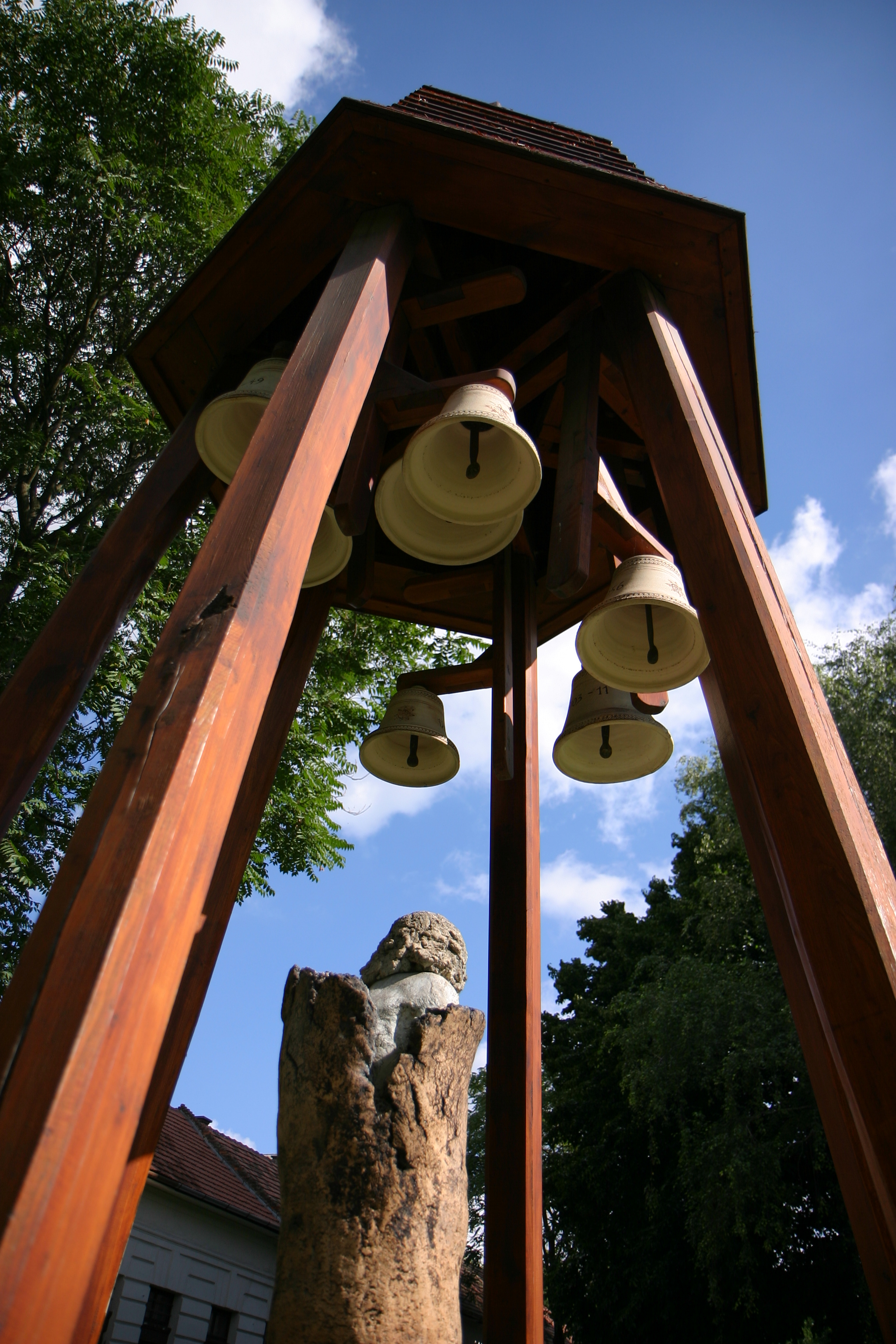
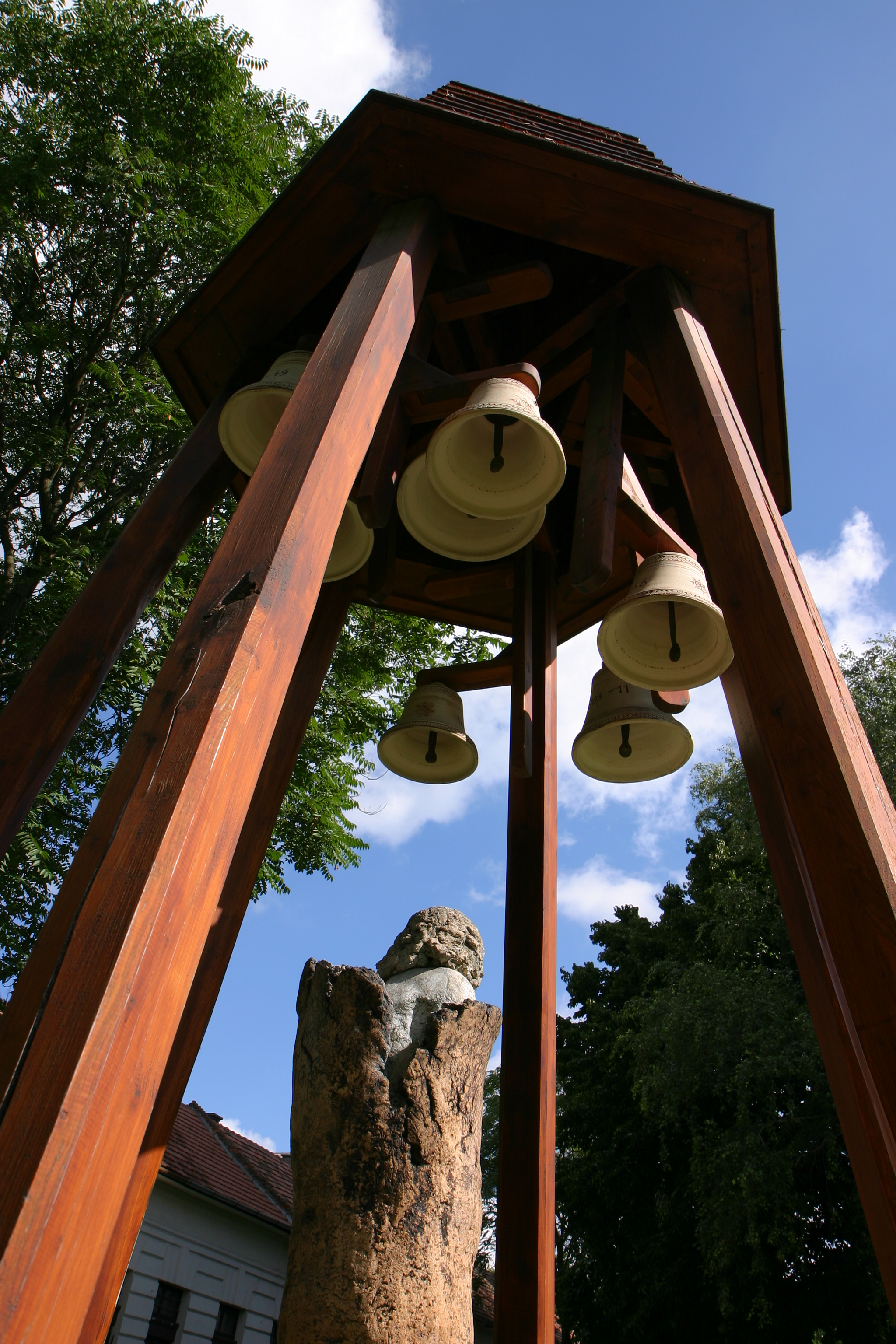
Canon EF-S 17-55mm f/2.8 IS USM Minta fotók

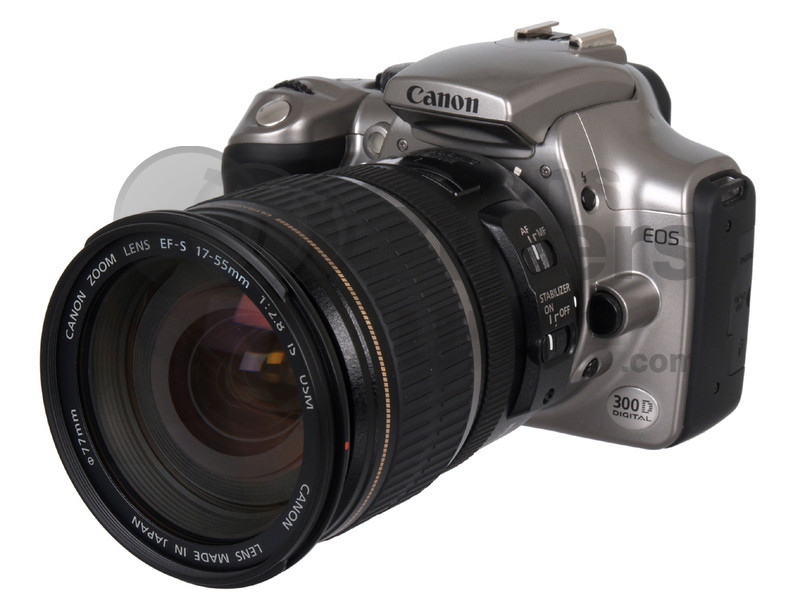
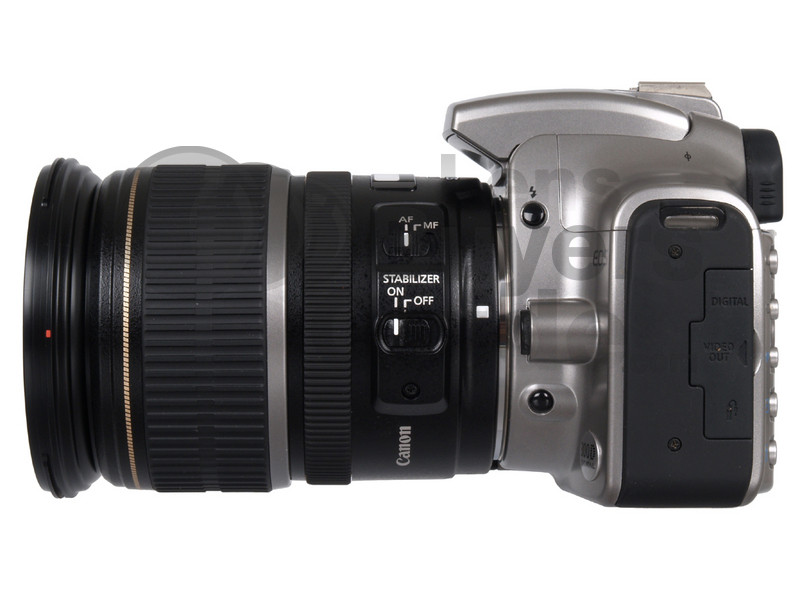
Canon EOS 300D + Canon EF-S 17-55mm f/3.5-4.5 USM

Canon EF-S 17-55mm f/2.8 IS USM Kiegészítők

77 mm Szűrők

77 mm Polár szűrők

77 mm UV szűrők

77 mm Skylight szűrők

77 mm Objektívsapkák

Hasonló objektívek

További objektívek

Copyright 2006 - 2009 © Pixinfo Kft. | Weboldal dizájn | Logó dizájn | Szerver hoszting | Snapfish online fotókidolgozás