
Căutare obiectiv
Samsung D 10-17mm f/3.5-4.5
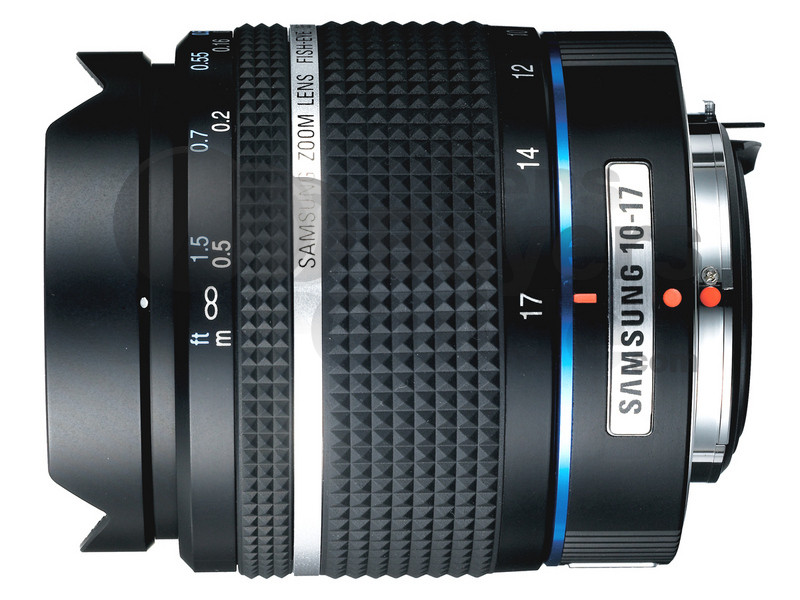 |
Imagine circulară proiectată APS-CObiectivele care creează imagini proiectate APS-C sunt dezvoltate pentru aparatele de fotografiat digitale. Ele nu pot fi folosite cu aparate care au senzor de imagine mai mare ca şi formatul APS-C. Aceste obiective nu sunt compatibile cu aparatele de fotografiat pe bază de film. AF neultrasonicObiectivele cu mecanism de focalizare ultrasonică tind să fie mai silenţioase şi mai rapide decât cele cu focalizare tradiţională. No stepping motor AFLenses with stepping motor focusing mechanism are better for contrast based focusing, and are quiter and faster than traditionally focusing lenses. Fără lentilă cu dispersie joasăLentilele cu dispersie joasă ajută la reducerea aberaţiei cromatice. Fără stabilizator de imagineStabilizarea imaginii ajută la reducerea neclarităţii cauzată de tremurul mâinii, în special la distanţă focală mare sau în situaţii de iluminaţie slabă. Stabilizarea imaginii poate avea un avantaj de la 1 la 3 trepte în comparaţie cu obiectivele nestabilizate, bazate pe regula reciprocă. |
Samsung D 10-17mm f/3.5-4.5 Specificaţie
| Monturi disponibile | Pentax K |
| Aplicaţii | Close-up , Peisaj, Efecte speciale |
| Categorii | Superangular zoom, Ochi de peşte |
| Multiplicator | 1.5× |
| Stabilizator | nu |
| Distanţa focală | 10 - 17 mm (1,7× zoom) |
| Contrucţia obiectivuluj | 10 elemente în 8 grupe |
| Unghi de deschidere |
35mm: Datele nu sunt disponibile digital: 180-100° |
| Număr de lamele ale diafragmei | 6 |
| Apertura maximă | larg: f/3,5 tele: f/4,5 |
| Apertura minimă | larg: f/22 tele: f/32 |
| Cea mai mică distanţă de focalizare marcată | 14 cm |
| Mărire | 0,39× |
| Mărime filtru | Datele nu sunt disponibile |
| Mărime | ∅ 68 × 71.5 mm |
| Greutate | 320 g |
| Comentarii |
|
| Viteză AF | Datele nu sunt disponibile |
| Sunet AF | |
| Focalizare internă | Datele nu sunt disponibile |
| Zoom intern | Datele nu sunt disponibile |
| Lentilă frontală fixă | Datele nu sunt disponibile |
| Tip montură | Datele nu sunt disponibile |
| Rezistenţă la umiditate şi praf | Datele nu sunt disponibile |
| Retro filtru | Datele nu sunt disponibile |
| AF ultrasonic | nu |
| Stepping motor AF | nu |
| Imagine ciculară proiectată de mărime APS-C | da |
| Lentilă cu dispersie redusă | nu |
| Toc obiectiv | Datele nu sunt disponibile |
| Husă obiectiv | Datele nu sunt disponibile |
| Parasolar | Datele nu sunt disponibile |
| Adaptor trepied | Datele nu sunt disponibile |
Samsung D 10-17mm f/3.5-4.5 Teste
Other reviews
Samsung D 10-17mm f/3.5-4.5 în ştiri
- Tamron SP AF60mm f/2.0 Di-II Macro
- Nikkor AF-S DX 85mm f/3.5G ED Micro
- Carl Zeiss Distagon T* 35mm f/2.0 ZF
- Sony SAL2875 28-75mm f/2.8 SAM
- Carl Zeiss Distagon T* 28mm f/2 with EF mount
- Tamron SP AF17-50mm f/2.8 XR Di II VC LD Aspherical
- Carl Zeiss Distagon T* 2,8/21 for EF mount
- Carl Zeiss Distagon T* 3,5/18 ZE
- SIGMA 70-300mm F4-5.6 DG OS
- Nikkor AF-S 16-35mm f/4 G ED VR