Objektívkereső

Tippek:
Írjon legalább 2 karaktert
Próbálja meg így szűkíteni a keresést: pl. 70 300 is
Ha hasznosnak találja ezt az oldalt, akkor vásárolja meg objektívjeit és kiegészítőit partnereinktől. Köszönjük a támogatását.

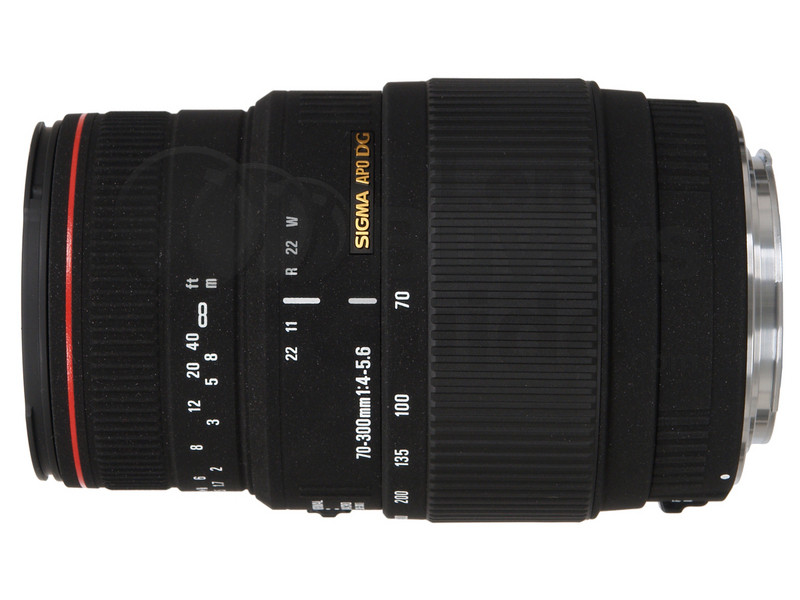
Sigma 70-300mm f/4-5.6 APO DG MACRO


Teljes méretű vetített kép

Az APS-C méretű képet vetítő objektíveket kimondottan a digitális fényképezőgépekhez fejlesztették, ezért nem használhatók filmes gépeken, vagy olyan digitális fényképezőgépeken, amelyekben az APS-C méretűnél nagyobb érzékelő található.


Nem ultrahangos AF-es

Az ultrahangos automatikus élességállítással szerelt objektívek általában halkabbak és gyorsabbak, mint a tradicionálisan működő objektívek.


Egy vagy több alacsony szórású lencsetag is van benne

Az alacsony szórású lencsetagok segítenek csökkenteni a kromatikus aberrációt.


Nem stabilizált

A képstabilizátor segít csökkenteni a kéz remegéséből adódó elmosódásokat. A stabilizátor hatása elsősorban nagy gyújtótávolságnál és gyenge megvilágításnál érezhető. A képstabilizátor 1-3 fényértéknyi előnyt biztosít a nem stabilizált objektívekhez képest.


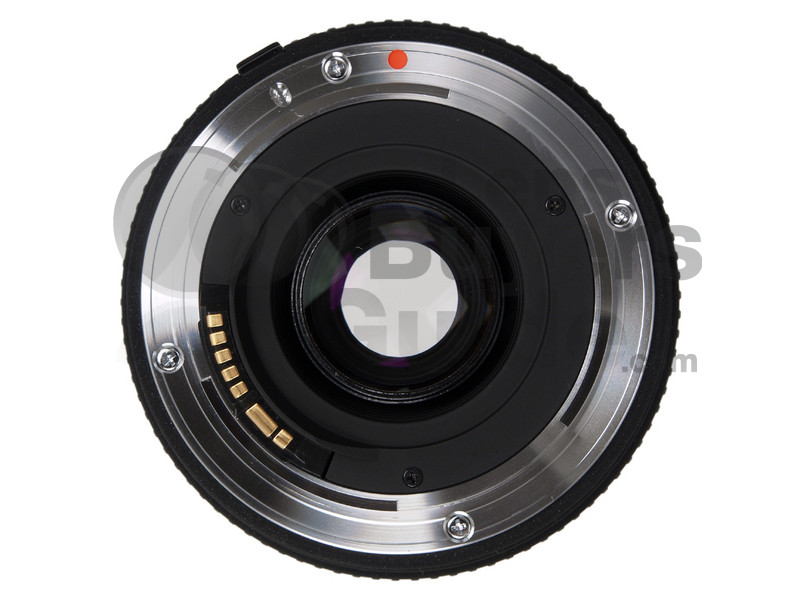
Fém bajonett

Az olcsóbb objektívek általában műanyag, míg a drágábbak fém bajonettel készülnek. Általában a fém bajonettek tartósabbak, így gyakori objektívcserénék ez a szerencsésebb. Ha egy fényképezőgépet főleg egy objektívvel használunk, akkor a bajonett anyaga nem annyira lényeges.


Nem belső élességállítású

A belső élességállítású objektívek mérete az élességállítás során nem változik.


Nem belső zoomos

A belső zoomos objektívek mérete a gyújtótávolság állításakor (zoomoláskor) nem változik.


A frontlencse elfordul

A fix frontlencse az élesség és/vagy a gyújtótávolság állításakor nem fordul el. Ez lehetővé teszi, hogy a fotós szirom alakú napellenzőt használjon. A fix frontlencse megjönnyíti a polarizációs szűrők használatát is.


Nincs becsúsztatható szűrő

A becsúsztatható szűrőket olyan objektíveknél alkalmazzák, amelyek frontlencséje túl nagy, illetve amelyek látószöge túl nagy ahhoz, hogy hagyományos szűrőket lehessen rájuk tenni. Általában a nagy fényerejű tele, illetve az ultra-nagy látószögű objektíveknél fordul elő ez a megoldás.

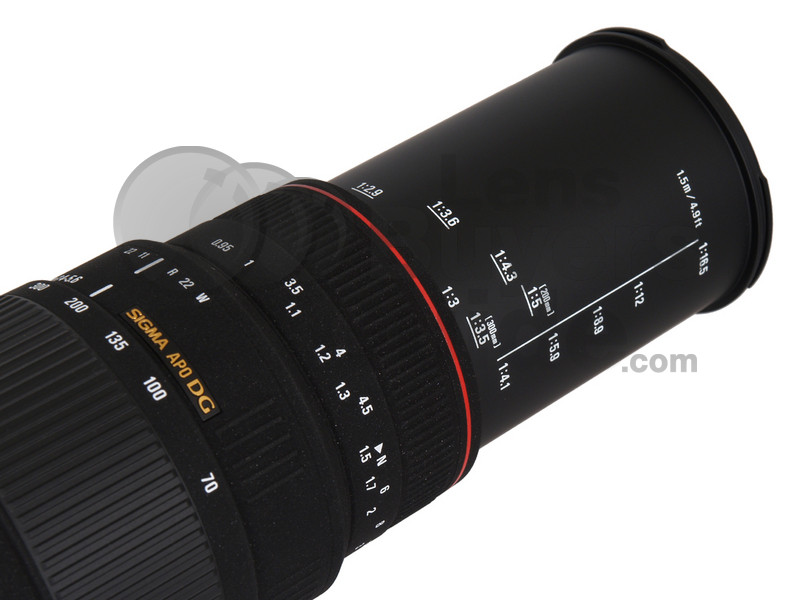
Ez a zoom teleobjektív a digitális és a filmes tükörreflexes fényképezőgépekkel egyaránt hatékony. Az objektív frontlencse-csoportjában három SLD (""Special Low Dispersion"" - ""Különleges alacsony szórású"") lencsetag helyezkedik el, és az egész zoom tartományon át hatékony védelmet nyújt a kromatikus aberrációk ellen. A 300 mm-es gyújtótávolságnál az objektív 1:2 maximális nagyítással makrófelvételek készítésére használható. Ezen kívül az optika egy speciális kapcsolóval makró üzemmódba kapcsolható a 200 mm és 300 mm közötti gyújtótávolságok használatakor.

Sigma 70-300mm f/4-5.6 APO DG MACRO Specifikáció

Elérhető bajonett(ek) Canon EF, Nikon F, Pentax K, Sony / Minolta A, Sigma
Felhasználási terület(ek) Portré, Közeli, Tájkép, Természet
Kategóriák Tele zoom, Makró
Szorzó
Stabilizátor nem
Gyújtótávolság 70 - 300 mm (4,3× zoom)
Objektív felépítése 14 lencsetag 10 csoportban
Látószög 35mm: 34.3-8.2°
digitális: 20.2-4.7°
Lamellák száma 9
Legnagyobb blende nagy látószög: f/4 tele: f/5,6
Legkisebb blende nagy látószög: f/22 tele: nincs adat
Legkisebb tárgytávolság 150 cm
Nagyítás 0,5×
Szűrőmenet 58 mm
Méret ∅ 76.6 × 122 mm
Tömeg 550 g
Megjegyzések A legkisebb tárgytávolság 1,5m a teljes zoomtartományban. A makró kapcsoló átkapcsolásával 200 és 300 mm gyújtótávolságok között a leképezési arány 1:2,9 és 1:2 közötti lehet a csökkentett 95 cm-es tárgytávolságnak köszönhetően.
AF sebesség 0,7 mp. (közeliből végtelenbe)
AF hang
Belső élességállítás nem
Belső zoom nem
Fix frontlencse nem
Bajonett típusa fém
Időjárásálló nincs adat
Becsúsztatható szűrők nem
Ultrahangos AF nem
APS-C méretű vetített kép nem
Alacsony szórású lencsetag igen
Kemény tok nincs adat
Puha tok nincs adat
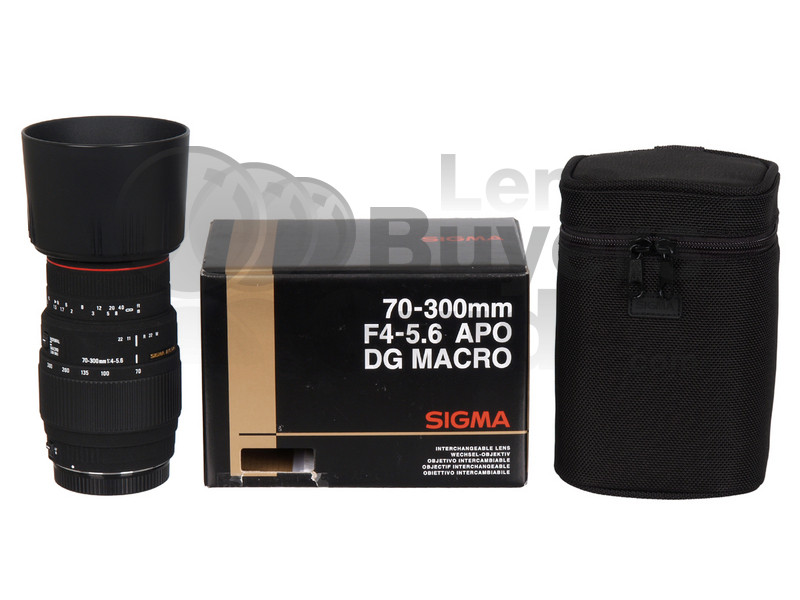
Napellenző LH635-01
nyomtatható napellenző
Állvány adapter nincs adat
Sigma 70-300mm f/4-5.6 APO DG MACRO Specifikáció

Sigma 70-300mm f/4-5.6 APO DG MACRO Tesztek

Sigma 70-300mm f/4-5.6 APO DG MACRO a hírekben

Other reviews

Sigma 70-300mm f/4-5.6 APO DG MACRO Olvasói tesztek

Leghasznosabb olvasói vélemények az Amazonról

Good telephoto lens if you're on a tight budget

2005. október 24.

I disagree with Jeff Kershaw's review for the older version of this lens (Sigma 70-300mm APO Super), in that it's very unfair to compare this lens to a L series lens, as those lens start at over $500 due to it's very specific high-grade optics manufacturing process. To compare this lens to a lens that starts at over 4X the price is like comparing a Honda Civic to a Porsche. Like the civic, this Sigma lens is well rounded, good for beginner and consumer SLR photographers, and maybe some "pro-sumer" on a tight budget, or even students. For the price, this lens is a bargain, as I've been doing a lot of research before buying this lens (price range in the $130-225 for telephoto). What I liked most about this is the APO lenses, which prevent reflection inside the lens which creates "ghosting" (inverted light ghostly shadow that appers on your image) which is usually apparent in nightshots. During the day APO lenses decrease those "purple fuzzies" (chromatic aberration) you see against high contrast (like a bird's wing against the sky). Granted this lens is no Porsche like the Canon L series, but for the price range, may hit the spot for some folks. I mainly use this camera for macro photography and taking photos of the Empire state building from my roof, which is 24 blocks away. This lens is definitely better quality than the Canon 75-300 USM III f/4-5.6 which is usually considered the benchmark for this price range telephoto.

Also note that there are different versions of these lenses (despite close naming), so be careful about what you buy. The is a APO DG version with Macro specifically made for digital SLRs which is what is listed here (the "official" name of this lens is: 70-300mm F4-5.6 APO DG Macro), and a non APO version of this lens which is a bit cheaper (but not worth it at all). Also there's ones listed as APO II which is the "older" version, which I don't know the quality of, but know that it is older than the model listed here.

Summary: If you're on a tight budget this is as good as it gets in this price bracket. The next tier where there's significant gains in lens imaging doesn't even start until you start spending in $600-1800 range.

The best lens in this price range...hands down.

2006. augusztus 07.

First of all I must tell you that I was dragged kicking and screaming into the world of digital SLR photography. Not because I had a love of film on the contrary I hate film photography, it was more like I hated the thought of lugging around lenses and all the other stuff. I managed to build my business and reputation using fixed lens "Pro-sumer" cameras. Long story short what made me move to SLRs was performance, speed, quality and lenses like this one.If you have ever read any of my other reviews you already know I am a terrible gear head and often tend to trick out my cameras to the hilt! I was buying lenses for a rebel XT when I bought this lens on a whim. To start 70-300mm is nothing earth shaking every lens maker in the business has at least one model in this range, but the real kicker with the Sigma is the macro feature, that in a word is simply amazing. The macro feature can be switched in at 200-300mm and is tack sharp for everything from flowers, to coins to whatever!! And considering the focal range this is a relatively fast lens. In a normal capacity its dead sharp in all applications no matter what your light conditions inside or out. I have even used this lens for wedding portraits and got great results. As with all Sigma lenses the build quality is excellent as is the glass giving it the feel of a lens costing a whole lot more. As for accessories I would reccomend both a UV filter as well as a good CPL. Size wise it is what I would rate medium sized (as opposed to my Sigma 50-500mm) this makes it easy to manipulate and use in the field. If you are a Nikon user remove the lens hood and you will get amazing results using your pop-up flash! (Canon doesn't do as well with this.)
Now. If you are into pictures of the great outdoors the next thing I would add is a 2x teleconverter, Sigma claims this lens is not compatable with them and in a sense its not. But if you are willing to manually focus, and adjust the F stops your self you can pump this baby up to a 140-600mm super-telephoto!! I have one of these lenses for both of the SLR's I use (Canon 20D & Nikon D200) and with both using the teleconverter I do have to focus manually but they will meter light! Be prepared however results may be different on your camera. So bottom line is your looking for a great quality lens at a price you can live with? This is it. Are you a new or about to be new digital SLR user? This should be your first lens no question. Canon and Nikon lenses do focus faster and quieter, but what are you doing with that camera that you need to be so fast and quiet anyway? This lens is on either one or both of my cameras all the time, and when you shoot pictures for a living that says alot. Until next time be well and happy shooting!

SiNMiN

Excellent

2006. december 17.

I rarely write reviews for stuff I buy on Amazon, but I felt I needed to share my thoughts on this lens.

Sigma has always been a better "out of the box" experience than Canon, which unfortunately does not see fit to ship a $6 hood for a $600 lens. Sigma gives you a carrying case and a hood. The "feel" of this lens is excellent. It's tight (no focus creep), and a sort of rubberized matte finish that just screams "pro". Top marks here.

From an optical standpoint, the lens is incredibly good, considering the price. I fired off about 70 shots outside to test the aperture at the different focal ranges. Yes, there is some softness at 300mm, but this can be mostly offset by stopping it down to 4.0. The rest of the focal range is fine. I used my Rebel XT and a Canon UV filter (50mm) for the tests. In the macro mode, there's excellent contrast and saturation, and very good bokeh.

Focus is a little slow, but then maybe I'm spoiled by the Canon glass, which focuses like nothing else. Still, there's very little hunting here, except in lower ambient light. This is not an indoor lens, nor is it a walkaround utility one. But for telephoto work and even a bit of macro (as it were), it's an extremely good deal.

All in all, I'd highly recommend getting this, especially as a first-time telephoto for people who are getting into DSLRs. The closest Canon equivalent is about $100 more expensive, and I don't believe it comes with a hood or case.

Just got it and trying it out -- fuzzy at full 300 mm zoom

2006. szeptember 11.

I have a Canon Digital Rebel XT.

Primary purpose of the camera is to photograph my daughter playing high school soccer.

PROS
The price is right on this "prosumer" lens. You really can't complain about 70-300 lens for $200.

Closeup / macro shots of flowers are excellent.

Outside 200mm zoom shots are crisp and look great when you load the pictures on your PC and zoom in tight with your favorite digital imaging computer program.

CONS(300 MM telephoto use for sports):
Full 300 mm zoom the picture quality is not what I had hoped. It is best described as soft focus.
Here were the cirumstances where I found the problem. I took 112 shots yesterday. Conditions were daylight and overcast. About 80% of them were at 300 mm zoom. At the 300 mm setting the pictures have a very "soft focus." You can't see it is the display panel on the camera. You can see the "softness" or blurriness when you load the picture into your favorite software and zoom in tight. The softness is over the whole image. I don't think it's a focusing issue. If it was out of focus on the primary subject you'd expect some part of the photo to be in focus, but nothing looks like it's crisp and sharp. It's equally bad across the image.

Yes, I am using a monopod and I know how to release a shutter. Film speed was set to 1600. I had the XT in Sport mode which forces the shutter speed to 1600. It still operates in auto focus and auto aperture in that mode.

No, I wasn't shooting in a fog or a mist.

CONCLUSION:
With less than one week of shooting on this lens I am not yet willing to say it's bad at the full 300 mm zoom setting. I will give it another try at a upcoming soccer tournament this weekend. This time I will force the Rebel into targeting its focus on one and only one point in the lens. I hope that improves the non-macro 300 mm zoom performance. If not, I will send it into Sigma service for them to check it out and repair if needed.

CUSTOMER SUPPORT
They answer their phone quickly and are very polite.
When I called Sigma customer support they were more than willing to look into the problem. I have send it in for them to check it out and repair (if needed). Too bad, they don't exchange, they only repair. So, I will be without the lens for 2-3 weeks. I will probably have to take some photos of the same object at 300 mm and then at 200 mm and show them the difference in the picture quality.

I will keep this review updated.

**UPDATE**

I have shot well over 2000 images with it now with most of them being at soccer games. Image quality is excellent. This lens likes bright daylight to produce its best images just put the light at your back. I do find I often enhance the constrast in my photo editor, but I wouldn't attribute that to the lense. That's a function of my photographic skills.

I adjusted the Canon focus to one one point and it's really improved the issue I talked about above with the soft look of the pictures at 300 mm.

I have concluded that this lens would not be a good one to use at night time sporting events. The F4 lens just doesn't let in enough light.

Autofocus sometimes is a bit slow to lock in on an object.

All-in-all, for $200 you cannot go wrong.

Pretty darn good!

2006. április 24.

Wasn't really expecting much from a 70-300mm zoom at this price range, but was pleasantly surprised with the results. Comes with a lenshood and nice carrying case.

Very good contrast and sharpness. I'd say that this is a "sunny day" lens, but it has also performed admirably during heavy overcast days.

Doesn't have the fastest AF, but more than up to the task for my needs. AF is on the noisy side (sounds like Robocop!).

At this price, this lens delivers more than I expected.

Good telephoto lens if you're on a tight budget

2005. október 24.

I disagree with Jeff Kershaw's review for the older version of this lens (Sigma 70-300mm APO Super), in that it's very unfair to compare this lens to a L series lens, as those lens start at over $500 due to it's very specific high-grade optics manufacturing process. To compare this lens to a lens that starts at over 4X the price is like comparing a Honda Civic to a Porsche. Like the civic, this Sigma lens is well rounded, good for beginner and consumer SLR photographers, and maybe some "pro-sumer" on a tight budget, or even students. For the price, this lens is a bargain, as I've been doing a lot of research before buying this lens (price range in the $130-225 for telephoto). What I liked most about this is the APO lenses, which prevent reflection inside the lens which creates "ghosting" (inverted light ghostly shadow that appers on your image) which is usually apparent in nightshots. During the day APO lenses decrease those "purple fuzzies" (chromatic aberration) you see against high contrast (like a bird's wing against the sky). Granted this lens is no Porsche like the Canon L series, but for the price range, may hit the spot for some folks. I mainly use this camera for macro photography and taking photos of the Empire state building from my roof, which is 24 blocks away. This lens is definitely better quality than the Canon 75-300 USM III f/4-5.6 which is usually considered the benchmark for this price range telephoto.

Also note that there are different versions of these lenses (despite close naming), so be careful about what you buy. The is a APO DG version with Macro specifically made for digital SLRs which is what is listed here (the "official" name of this lens is: 70-300mm F4-5.6 APO DG Macro), and a non APO version of this lens which is a bit cheaper (but not worth it at all). Also there's ones listed as APO II which is the "older" version, which I don't know the quality of, but know that it is older than the model listed here.

Summary: If you're on a tight budget this is as good as it gets in this price bracket. The next tier where there's significant gains in lens imaging doesn't even start until you start spending in $600-1800 range.

The best lens in this price range...hands down.

2006. augusztus 07.

First of all I must tell you that I was dragged kicking and screaming into the world of digital SLR photography. Not because I had a love of film on the contrary I hate film photography, it was more like I hated the thought of lugging around lenses and all the other stuff. I managed to build my business and reputation using fixed lens "Pro-sumer" cameras. Long story short what made me move to SLRs was performance, speed, quality and lenses like this one.If you have ever read any of my other reviews you already know I am a terrible gear head and often tend to trick out my cameras to the hilt! I was buying lenses for a rebel XT when I bought this lens on a whim. To start 70-300mm is nothing earth shaking every lens maker in the business has at least one model in this range, but the real kicker with the Sigma is the macro feature, that in a word is simply amazing. The macro feature can be switched in at 200-300mm and is tack sharp for everything from flowers, to coins to whatever!! And considering the focal range this is a relatively fast lens. In a normal capacity its dead sharp in all applications no matter what your light conditions inside or out. I have even used this lens for wedding portraits and got great results. As with all Sigma lenses the build quality is excellent as is the glass giving it the feel of a lens costing a whole lot more. As for accessories I would reccomend both a UV filter as well as a good CPL. Size wise it is what I would rate medium sized (as opposed to my Sigma 50-500mm) this makes it easy to manipulate and use in the field. If you are a Nikon user remove the lens hood and you will get amazing results using your pop-up flash! (Canon doesn't do as well with this.)
Now. If you are into pictures of the great outdoors the next thing I would add is a 2x teleconverter, Sigma claims this lens is not compatable with them and in a sense its not. But if you are willing to manually focus, and adjust the F stops your self you can pump this baby up to a 140-600mm super-telephoto!! I have one of these lenses for both of the SLR's I use (Canon 20D & Nikon D200) and with both using the teleconverter I do have to focus manually but they will meter light! Be prepared however results may be different on your camera. So bottom line is your looking for a great quality lens at a price you can live with? This is it. Are you a new or about to be new digital SLR user? This should be your first lens no question. Canon and Nikon lenses do focus faster and quieter, but what are you doing with that camera that you need to be so fast and quiet anyway? This lens is on either one or both of my cameras all the time, and when you shoot pictures for a living that says alot. Until next time be well and happy shooting!

SiNMiN

Excellent

2006. december 17.

I rarely write reviews for stuff I buy on Amazon, but I felt I needed to share my thoughts on this lens.

Sigma has always been a better "out of the box" experience than Canon, which unfortunately does not see fit to ship a $6 hood for a $600 lens. Sigma gives you a carrying case and a hood. The "feel" of this lens is excellent. It's tight (no focus creep), and a sort of rubberized matte finish that just screams "pro". Top marks here.

From an optical standpoint, the lens is incredibly good, considering the price. I fired off about 70 shots outside to test the aperture at the different focal ranges. Yes, there is some softness at 300mm, but this can be mostly offset by stopping it down to 4.0. The rest of the focal range is fine. I used my Rebel XT and a Canon UV filter (50mm) for the tests. In the macro mode, there's excellent contrast and saturation, and very good bokeh.

Focus is a little slow, but then maybe I'm spoiled by the Canon glass, which focuses like nothing else. Still, there's very little hunting here, except in lower ambient light. This is not an indoor lens, nor is it a walkaround utility one. But for telephoto work and even a bit of macro (as it were), it's an extremely good deal.

All in all, I'd highly recommend getting this, especially as a first-time telephoto for people who are getting into DSLRs. The closest Canon equivalent is about $100 more expensive, and I don't believe it comes with a hood or case.

Just got it and trying it out -- fuzzy at full 300 mm zoom

2006. szeptember 11.

I have a Canon Digital Rebel XT.

Primary purpose of the camera is to photograph my daughter playing high school soccer.

PROS
The price is right on this "prosumer" lens. You really can't complain about 70-300 lens for $200.

Closeup / macro shots of flowers are excellent.

Outside 200mm zoom shots are crisp and look great when you load the pictures on your PC and zoom in tight with your favorite digital imaging computer program.

CONS(300 MM telephoto use for sports):
Full 300 mm zoom the picture quality is not what I had hoped. It is best described as soft focus.
Here were the cirumstances where I found the problem. I took 112 shots yesterday. Conditions were daylight and overcast. About 80% of them were at 300 mm zoom. At the 300 mm setting the pictures have a very "soft focus." You can't see it is the display panel on the camera. You can see the "softness" or blurriness when you load the picture into your favorite software and zoom in tight. The softness is over the whole image. I don't think it's a focusing issue. If it was out of focus on the primary subject you'd expect some part of the photo to be in focus, but nothing looks like it's crisp and sharp. It's equally bad across the image.

Yes, I am using a monopod and I know how to release a shutter. Film speed was set to 1600. I had the XT in Sport mode which forces the shutter speed to 1600. It still operates in auto focus and auto aperture in that mode.

No, I wasn't shooting in a fog or a mist.

CONCLUSION:
With less than one week of shooting on this lens I am not yet willing to say it's bad at the full 300 mm zoom setting. I will give it another try at a upcoming soccer tournament this weekend. This time I will force the Rebel into targeting its focus on one and only one point in the lens. I hope that improves the non-macro 300 mm zoom performance. If not, I will send it into Sigma service for them to check it out and repair if needed.

CUSTOMER SUPPORT
They answer their phone quickly and are very polite.
When I called Sigma customer support they were more than willing to look into the problem. I have send it in for them to check it out and repair (if needed). Too bad, they don't exchange, they only repair. So, I will be without the lens for 2-3 weeks. I will probably have to take some photos of the same object at 300 mm and then at 200 mm and show them the difference in the picture quality.

I will keep this review updated.

**UPDATE**

I have shot well over 2000 images with it now with most of them being at soccer games. Image quality is excellent. This lens likes bright daylight to produce its best images just put the light at your back. I do find I often enhance the constrast in my photo editor, but I wouldn't attribute that to the lense. That's a function of my photographic skills.

I adjusted the Canon focus to one one point and it's really improved the issue I talked about above with the soft look of the pictures at 300 mm.

I have concluded that this lens would not be a good one to use at night time sporting events. The F4 lens just doesn't let in enough light.

Autofocus sometimes is a bit slow to lock in on an object.

All-in-all, for $200 you cannot go wrong.

Pretty darn good!

2006. április 24.

Wasn't really expecting much from a 70-300mm zoom at this price range, but was pleasantly surprised with the results. Comes with a lenshood and nice carrying case.

Very good contrast and sharpness. I'd say that this is a "sunny day" lens, but it has also performed admirably during heavy overcast days.

Doesn't have the fastest AF, but more than up to the task for my needs. AF is on the noisy side (sounds like Robocop!).

At this price, this lens delivers more than I expected.

Good telephoto lens if you're on a tight budget

2005. október 24.

I disagree with Jeff Kershaw's review for the older version of this lens (Sigma 70-300mm APO Super), in that it's very unfair to compare this lens to a L series lens, as those lens start at over $500 due to it's very specific high-grade optics manufacturing process. To compare this lens to a lens that starts at over 4X the price is like comparing a Honda Civic to a Porsche. Like the civic, this Sigma lens is well rounded, good for beginner and consumer SLR photographers, and maybe some "pro-sumer" on a tight budget, or even students. For the price, this lens is a bargain, as I've been doing a lot of research before buying this lens (price range in the $130-225 for telephoto). What I liked most about this is the APO lenses, which prevent reflection inside the lens which creates "ghosting" (inverted light ghostly shadow that appers on your image) which is usually apparent in nightshots. During the day APO lenses decrease those "purple fuzzies" (chromatic aberration) you see against high contrast (like a bird's wing against the sky). Granted this lens is no Porsche like the Canon L series, but for the price range, may hit the spot for some folks. I mainly use this camera for macro photography and taking photos of the Empire state building from my roof, which is 24 blocks away. This lens is definitely better quality than the Canon 75-300 USM III f/4-5.6 which is usually considered the benchmark for this price range telephoto.

Also note that there are different versions of these lenses (despite close naming), so be careful about what you buy. The is a APO DG version with Macro specifically made for digital SLRs which is what is listed here (the "official" name of this lens is: 70-300mm F4-5.6 APO DG Macro), and a non APO version of this lens which is a bit cheaper (but not worth it at all). Also there's ones listed as APO II which is the "older" version, which I don't know the quality of, but know that it is older than the model listed here.

Summary: If you're on a tight budget this is as good as it gets in this price bracket. The next tier where there's significant gains in lens imaging doesn't even start until you start spending in $600-1800 range.

The best lens in this price range...hands down.

2006. augusztus 07.

First of all I must tell you that I was dragged kicking and screaming into the world of digital SLR photography. Not because I had a love of film on the contrary I hate film photography, it was more like I hated the thought of lugging around lenses and all the other stuff. I managed to build my business and reputation using fixed lens "Pro-sumer" cameras. Long story short what made me move to SLRs was performance, speed, quality and lenses like this one.If you have ever read any of my other reviews you already know I am a terrible gear head and often tend to trick out my cameras to the hilt! I was buying lenses for a rebel XT when I bought this lens on a whim. To start 70-300mm is nothing earth shaking every lens maker in the business has at least one model in this range, but the real kicker with the Sigma is the macro feature, that in a word is simply amazing. The macro feature can be switched in at 200-300mm and is tack sharp for everything from flowers, to coins to whatever!! And considering the focal range this is a relatively fast lens. In a normal capacity its dead sharp in all applications no matter what your light conditions inside or out. I have even used this lens for wedding portraits and got great results. As with all Sigma lenses the build quality is excellent as is the glass giving it the feel of a lens costing a whole lot more. As for accessories I would reccomend both a UV filter as well as a good CPL. Size wise it is what I would rate medium sized (as opposed to my Sigma 50-500mm) this makes it easy to manipulate and use in the field. If you are a Nikon user remove the lens hood and you will get amazing results using your pop-up flash! (Canon doesn't do as well with this.)
Now. If you are into pictures of the great outdoors the next thing I would add is a 2x teleconverter, Sigma claims this lens is not compatable with them and in a sense its not. But if you are willing to manually focus, and adjust the F stops your self you can pump this baby up to a 140-600mm super-telephoto!! I have one of these lenses for both of the SLR's I use (Canon 20D & Nikon D200) and with both using the teleconverter I do have to focus manually but they will meter light! Be prepared however results may be different on your camera. So bottom line is your looking for a great quality lens at a price you can live with? This is it. Are you a new or about to be new digital SLR user? This should be your first lens no question. Canon and Nikon lenses do focus faster and quieter, but what are you doing with that camera that you need to be so fast and quiet anyway? This lens is on either one or both of my cameras all the time, and when you shoot pictures for a living that says alot. Until next time be well and happy shooting!

SiNMiN

Excellent

2006. december 17.

I rarely write reviews for stuff I buy on Amazon, but I felt I needed to share my thoughts on this lens.

Sigma has always been a better "out of the box" experience than Canon, which unfortunately does not see fit to ship a $6 hood for a $600 lens. Sigma gives you a carrying case and a hood. The "feel" of this lens is excellent. It's tight (no focus creep), and a sort of rubberized matte finish that just screams "pro". Top marks here.

From an optical standpoint, the lens is incredibly good, considering the price. I fired off about 70 shots outside to test the aperture at the different focal ranges. Yes, there is some softness at 300mm, but this can be mostly offset by stopping it down to 4.0. The rest of the focal range is fine. I used my Rebel XT and a Canon UV filter (50mm) for the tests. In the macro mode, there's excellent contrast and saturation, and very good bokeh.

Focus is a little slow, but then maybe I'm spoiled by the Canon glass, which focuses like nothing else. Still, there's very little hunting here, except in lower ambient light. This is not an indoor lens, nor is it a walkaround utility one. But for telephoto work and even a bit of macro (as it were), it's an extremely good deal.

All in all, I'd highly recommend getting this, especially as a first-time telephoto for people who are getting into DSLRs. The closest Canon equivalent is about $100 more expensive, and I don't believe it comes with a hood or case.

Just got it and trying it out -- fuzzy at full 300 mm zoom

2006. szeptember 11.

I have a Canon Digital Rebel XT.

Primary purpose of the camera is to photograph my daughter playing high school soccer.

PROS
The price is right on this "prosumer" lens. You really can't complain about 70-300 lens for $200.

Closeup / macro shots of flowers are excellent.

Outside 200mm zoom shots are crisp and look great when you load the pictures on your PC and zoom in tight with your favorite digital imaging computer program.

CONS(300 MM telephoto use for sports):
Full 300 mm zoom the picture quality is not what I had hoped. It is best described as soft focus.
Here were the cirumstances where I found the problem. I took 112 shots yesterday. Conditions were daylight and overcast. About 80% of them were at 300 mm zoom. At the 300 mm setting the pictures have a very "soft focus." You can't see it is the display panel on the camera. You can see the "softness" or blurriness when you load the picture into your favorite software and zoom in tight. The softness is over the whole image. I don't think it's a focusing issue. If it was out of focus on the primary subject you'd expect some part of the photo to be in focus, but nothing looks like it's crisp and sharp. It's equally bad across the image.

Yes, I am using a monopod and I know how to release a shutter. Film speed was set to 1600. I had the XT in Sport mode which forces the shutter speed to 1600. It still operates in auto focus and auto aperture in that mode.

No, I wasn't shooting in a fog or a mist.

CONCLUSION:
With less than one week of shooting on this lens I am not yet willing to say it's bad at the full 300 mm zoom setting. I will give it another try at a upcoming soccer tournament this weekend. This time I will force the Rebel into targeting its focus on one and only one point in the lens. I hope that improves the non-macro 300 mm zoom performance. If not, I will send it into Sigma service for them to check it out and repair if needed.

CUSTOMER SUPPORT
They answer their phone quickly and are very polite.
When I called Sigma customer support they were more than willing to look into the problem. I have send it in for them to check it out and repair (if needed). Too bad, they don't exchange, they only repair. So, I will be without the lens for 2-3 weeks. I will probably have to take some photos of the same object at 300 mm and then at 200 mm and show them the difference in the picture quality.

I will keep this review updated.

**UPDATE**

I have shot well over 2000 images with it now with most of them being at soccer games. Image quality is excellent. This lens likes bright daylight to produce its best images just put the light at your back. I do find I often enhance the constrast in my photo editor, but I wouldn't attribute that to the lense. That's a function of my photographic skills.

I adjusted the Canon focus to one one point and it's really improved the issue I talked about above with the soft look of the pictures at 300 mm.

I have concluded that this lens would not be a good one to use at night time sporting events. The F4 lens just doesn't let in enough light.

Autofocus sometimes is a bit slow to lock in on an object.

All-in-all, for $200 you cannot go wrong.

Pretty darn good!

2006. április 24.

Wasn't really expecting much from a 70-300mm zoom at this price range, but was pleasantly surprised with the results. Comes with a lenshood and nice carrying case.

Very good contrast and sharpness. I'd say that this is a "sunny day" lens, but it has also performed admirably during heavy overcast days.

Doesn't have the fastest AF, but more than up to the task for my needs. AF is on the noisy side (sounds like Robocop!).

At this price, this lens delivers more than I expected.

Better than Nikon 70-300 non-ED

2007. március 23.

I have a Nikon D200 body and both Sigma APO 70-300 as well as Nikon 70-300 (non-ED) lenses. I tested both these lenses at f4 and f10 apartures and at 70mm, 200mm and 300mm focal lengths. The camera was on a tripod, mirror lockup was used and tripod/camera were not moved at all during lens changes for perfect apples-to-apples comparison. Identical sources of ambient light and identical flash settings were used for both lenses. Here are my conclusions:

It was very difficult to determine which lens was sharper between the two even when blown up to large picture sizes. The colors on the pictures taken by Sigma were a little bit more appealing but again only when looked at under lot of scrutiny. The depth of field on Sigma was shallower at f4 vs the Nikon which is both good (for portraits) and bad (for non-portrait pictures). Sigma always produced brighter pictures compared to Nikon lens but that can be compensated by always over-exposing the Nikon. I can say safely that a picture taken by the Nikon with one stop higher exposure is comparable to the picture taken by Sigma with Sigma winning by a very small margin only and in terms of color richness only when the pictures are blown up to large sizes.

When you switch the Sigma to macro mode it sort of becomes an apples-to-oranges comparison since the Nikon does not have a macro mode. To make it a fair test I used Nikon's published lowest focusing distance for both Nikon and Sigma lenses and switched the Sigma to macro mode. Sigma was slightly better than Nikon again when put under lot of scrutiny.

CONCLUSION:
I was absolutely thrilled with the closeups that the Sigma took that the Nikon could never have taken since Nikon does not have the macro mode. If taking closeups or macro pictures is not a goal for you, Sigma is only marginally better than Nikon so whether you spend the extra $50 for the Sigma APO or not is up to you. Happy shooting...

Best telephoto lens for the price

2006. január 05.

You can't go out and spend around $200 for a telephoto lens and expect it to perform like a $700 or $1300 lens, not going to happen. I think for the price range its a great addition, especially with the useful macro capibilities. Sure its not as fast of a focuser as Nikon's AF-S lenses, but it's also about 1/3 the price. The sharpest point for this lens is 70-220 at F/8, but thats not saying that the pictures are otherwsie unusable. As for indoor use, you need a flash. As mentioned before it really is too slow to use indoors (thats what primes are for anyways) but for the price, quality of the image, its a no brainer to pick it up

Surprisingly good.

2007. június 06.

I purchased this lens expecting something with acceptable but not high quality optics. Instead I got a lens with excellent optics, very good construction and a far better value that I thought possible. Very low distortion and excellent color correction. Good sharpness for either digital or full frame film imaging. Smooth zoom mechanism and fast focusing.

Very well made.

2007. november 15.

I have used this lens indoors and have been happy with results. I took photographs recently at my child's indoor school activity. I used an old flash (a Nikon SB-M set at non-TTL auto) mounted on a film camera Nikon F75. The result were sharp, well exposed pictures!

Using this lens indoors with flash, try not to get fancy with depth-of-field nor zoom. Keep your aperture at its widest possible: f/4 at 70mm and f/5.6 at 300mm. Check your flash's shooting distance and shoot within that. As a rule of thumb when using this indoors, the head and foot of a standing adult person should be just at the borders of the viewfinder (vertical or horizontal.) Even an old non-TTL SB-M can handle the task of lighting that properly. If you really need to zoom in, just make sure you're still shooting within the flash's shooting distance, keep to the widest aperture (f/5.6 at 300mm) or use a more powerful flash gun. The len's so-called slow focus and slow opening at low-light indoors isnt peculiar to this lens alone. Subject flash illumination is still controlled by aperture, flash shooting distance and sync speed- facts which are applicable to any other lens. Dedicated flash units have been handling flash exposures at f/5.6, f/8 even f11 (using faster films) without any problems for years! This len's maximum opening of "only" f/5.6 is not a liability at all. Within this range, you can satisfactorily use it indoors with flash as much as you like.

Now if you want to use only available light indoors, you need to spend more money to get those constant f/2.8 aperture zooms. Or better yet, just buy the classic Nikkor 50mm f/1.8D AF, zoom with your feet and save tons of cash!

At f/8, this lens is very sharp on all focal lengths. If light permits (as when outdoors) keep that aperture. Having said that, I have yet to be disappointed with pictures taken at wide open apertures when light level is low. The macro pictures are also very good. One thing you need to be careful though is the way Sigma implement macro shooting in this lens. You must first move the zoom ring between 200 and 300mm then push the macro switch. It will resist macro switching when you attempt to push it while on focal lengths other than mentioned, so dont force it. Also when you need to return from macro to normal, be careful. There is a short white line along the distance scale which determines the limit when you can switch it back to normal. The other limit is the infinity mark. Between this white line and infinity mark you can switch back to normal. It will also resist otherwise. This is what they meant by fiddly macro switch. At least the 1:2 reproduction ratio is available, than not at all.

This is a very well built lens mechanically and optically. As the other reviewer pointed out, it suggests pro quality. Consider very carefully what you are buying, your level of patience, your budget and your intended use for the lens. Its mode of operation may not be to your liking. One thing I dont like is the total length of the lens when fully zoomed and when at 1:2 macro. Too long in my opinion.

Still for the asking price, this is money well-spent for me. Four and a half-stars!

Sigma 70-300mm lens

2008. május 18.

I don't make my living as a photographer, everything's set to auto, so take this for what it's worth. I haven't tried the macro setting yet.
95% of dealing with my camera is construction work. Visual proof of existing damage and repairs made for clients and inspectors. The Sigma 70-300mm f/4-5.6 DG APO Macro Telephoto Zoom Lens handles my distant, (too high), or not so easily reachable work quite well.
On a cloudy day through the view finder, hand held, 50' up and under a shaded Victorian eave you clearly see the small and large paint blisters and cracks, (water infiltration) clearly defined indented areas where the wood rotted from the inside, (behind the painted exterior) as clear as my binoculars. No need to magnify the pics in the PC digital software. I'd bet dimes to dollars the pics would be sharper still if I'd used a tripod or pole. The AF works fine, zoom is smooth. I've read some mention of slow AF or not working at all hasn't happened with me.

I'm going to buy a pole, I don't know how far we'll be from the graduation stage but I'm hoping this lens is going to take some excellent pics of my oldest who's university graduation is this spring.

So far I'm very happy with this lens, as time goes on I'm sure I'll experiment with settings, subjects and distances in the future. For now what I need it for the money has been well spent. I hope the lens works well for a long time.

Good telephoto lens if you're on a tight budget

2005. október 24.

I disagree with Jeff Kershaw's review for the older version of this lens (Sigma 70-300mm APO Super), in that it's very unfair to compare this lens to a L series lens, as those lens start at over $500 due to it's very specific high-grade optics manufacturing process. To compare this lens to a lens that starts at over 4X the price is like comparing a Honda Civic to a Porsche. Like the civic, this Sigma lens is well rounded, good for beginner and consumer SLR photographers, and maybe some "pro-sumer" on a tight budget, or even students. For the price, this lens is a bargain, as I've been doing a lot of research before buying this lens (price range in the $130-225 for telephoto). What I liked most about this is the APO lenses, which prevent reflection inside the lens which creates "ghosting" (inverted light ghostly shadow that appers on your image) which is usually apparent in nightshots. During the day APO lenses decrease those "purple fuzzies" (chromatic aberration) you see against high contrast (like a bird's wing against the sky). Granted this lens is no Porsche like the Canon L series, but for the price range, may hit the spot for some folks. I mainly use this camera for macro photography and taking photos of the Empire state building from my roof, which is 24 blocks away. This lens is definitely better quality than the Canon 75-300 USM III f/4-5.6 which is usually considered the benchmark for this price range telephoto.

Also note that there are different versions of these lenses (despite close naming), so be careful about what you buy. The is a APO DG version with Macro specifically made for digital SLRs which is what is listed here (the "official" name of this lens is: 70-300mm F4-5.6 APO DG Macro), and a non APO version of this lens which is a bit cheaper (but not worth it at all). Also there's ones listed as APO II which is the "older" version, which I don't know the quality of, but know that it is older than the model listed here.

Summary: If you're on a tight budget this is as good as it gets in this price bracket. The next tier where there's significant gains in lens imaging doesn't even start until you start spending in $600-1800 range.

The best lens in this price range...hands down.

2006. augusztus 07.

First of all I must tell you that I was dragged kicking and screaming into the world of digital SLR photography. Not because I had a love of film on the contrary I hate film photography, it was more like I hated the thought of lugging around lenses and all the other stuff. I managed to build my business and reputation using fixed lens "Pro-sumer" cameras. Long story short what made me move to SLRs was performance, speed, quality and lenses like this one.If you have ever read any of my other reviews you already know I am a terrible gear head and often tend to trick out my cameras to the hilt! I was buying lenses for a rebel XT when I bought this lens on a whim. To start 70-300mm is nothing earth shaking every lens maker in the business has at least one model in this range, but the real kicker with the Sigma is the macro feature, that in a word is simply amazing. The macro feature can be switched in at 200-300mm and is tack sharp for everything from flowers, to coins to whatever!! And considering the focal range this is a relatively fast lens. In a normal capacity its dead sharp in all applications no matter what your light conditions inside or out. I have even used this lens for wedding portraits and got great results. As with all Sigma lenses the build quality is excellent as is the glass giving it the feel of a lens costing a whole lot more. As for accessories I would reccomend both a UV filter as well as a good CPL. Size wise it is what I would rate medium sized (as opposed to my Sigma 50-500mm) this makes it easy to manipulate and use in the field. If you are a Nikon user remove the lens hood and you will get amazing results using your pop-up flash! (Canon doesn't do as well with this.)
Now. If you are into pictures of the great outdoors the next thing I would add is a 2x teleconverter, Sigma claims this lens is not compatable with them and in a sense its not. But if you are willing to manually focus, and adjust the F stops your self you can pump this baby up to a 140-600mm super-telephoto!! I have one of these lenses for both of the SLR's I use (Canon 20D & Nikon D200) and with both using the teleconverter I do have to focus manually but they will meter light! Be prepared however results may be different on your camera. So bottom line is your looking for a great quality lens at a price you can live with? This is it. Are you a new or about to be new digital SLR user? This should be your first lens no question. Canon and Nikon lenses do focus faster and quieter, but what are you doing with that camera that you need to be so fast and quiet anyway? This lens is on either one or both of my cameras all the time, and when you shoot pictures for a living that says alot. Until next time be well and happy shooting!

SiNMiN

Excellent

2006. december 17.

I rarely write reviews for stuff I buy on Amazon, but I felt I needed to share my thoughts on this lens.

Sigma has always been a better "out of the box" experience than Canon, which unfortunately does not see fit to ship a $6 hood for a $600 lens. Sigma gives you a carrying case and a hood. The "feel" of this lens is excellent. It's tight (no focus creep), and a sort of rubberized matte finish that just screams "pro". Top marks here.

From an optical standpoint, the lens is incredibly good, considering the price. I fired off about 70 shots outside to test the aperture at the different focal ranges. Yes, there is some softness at 300mm, but this can be mostly offset by stopping it down to 4.0. The rest of the focal range is fine. I used my Rebel XT and a Canon UV filter (50mm) for the tests. In the macro mode, there's excellent contrast and saturation, and very good bokeh.

Focus is a little slow, but then maybe I'm spoiled by the Canon glass, which focuses like nothing else. Still, there's very little hunting here, except in lower ambient light. This is not an indoor lens, nor is it a walkaround utility one. But for telephoto work and even a bit of macro (as it were), it's an extremely good deal.

All in all, I'd highly recommend getting this, especially as a first-time telephoto for people who are getting into DSLRs. The closest Canon equivalent is about $100 more expensive, and I don't believe it comes with a hood or case.

Just got it and trying it out -- fuzzy at full 300 mm zoom

2006. szeptember 11.

I have a Canon Digital Rebel XT.

Primary purpose of the camera is to photograph my daughter playing high school soccer.

PROS
The price is right on this "prosumer" lens. You really can't complain about 70-300 lens for $200.

Closeup / macro shots of flowers are excellent.

Outside 200mm zoom shots are crisp and look great when you load the pictures on your PC and zoom in tight with your favorite digital imaging computer program.

CONS(300 MM telephoto use for sports):
Full 300 mm zoom the picture quality is not what I had hoped. It is best described as soft focus.
Here were the cirumstances where I found the problem. I took 112 shots yesterday. Conditions were daylight and overcast. About 80% of them were at 300 mm zoom. At the 300 mm setting the pictures have a very "soft focus." You can't see it is the display panel on the camera. You can see the "softness" or blurriness when you load the picture into your favorite software and zoom in tight. The softness is over the whole image. I don't think it's a focusing issue. If it was out of focus on the primary subject you'd expect some part of the photo to be in focus, but nothing looks like it's crisp and sharp. It's equally bad across the image.

Yes, I am using a monopod and I know how to release a shutter. Film speed was set to 1600. I had the XT in Sport mode which forces the shutter speed to 1600. It still operates in auto focus and auto aperture in that mode.

No, I wasn't shooting in a fog or a mist.

CONCLUSION:
With less than one week of shooting on this lens I am not yet willing to say it's bad at the full 300 mm zoom setting. I will give it another try at a upcoming soccer tournament this weekend. This time I will force the Rebel into targeting its focus on one and only one point in the lens. I hope that improves the non-macro 300 mm zoom performance. If not, I will send it into Sigma service for them to check it out and repair if needed.

CUSTOMER SUPPORT
They answer their phone quickly and are very polite.
When I called Sigma customer support they were more than willing to look into the problem. I have send it in for them to check it out and repair (if needed). Too bad, they don't exchange, they only repair. So, I will be without the lens for 2-3 weeks. I will probably have to take some photos of the same object at 300 mm and then at 200 mm and show them the difference in the picture quality.

I will keep this review updated.

**UPDATE**

I have shot well over 2000 images with it now with most of them being at soccer games. Image quality is excellent. This lens likes bright daylight to produce its best images just put the light at your back. I do find I often enhance the constrast in my photo editor, but I wouldn't attribute that to the lense. That's a function of my photographic skills.

I adjusted the Canon focus to one one point and it's really improved the issue I talked about above with the soft look of the pictures at 300 mm.

I have concluded that this lens would not be a good one to use at night time sporting events. The F4 lens just doesn't let in enough light.

Autofocus sometimes is a bit slow to lock in on an object.

All-in-all, for $200 you cannot go wrong.

Pretty darn good!

2006. április 24.

Wasn't really expecting much from a 70-300mm zoom at this price range, but was pleasantly surprised with the results. Comes with a lenshood and nice carrying case.

Very good contrast and sharpness. I'd say that this is a "sunny day" lens, but it has also performed admirably during heavy overcast days.

Doesn't have the fastest AF, but more than up to the task for my needs. AF is on the noisy side (sounds like Robocop!).

At this price, this lens delivers more than I expected.

Sigma 70-300mm f/4-5.6 APO DG MACRO Minta fotók

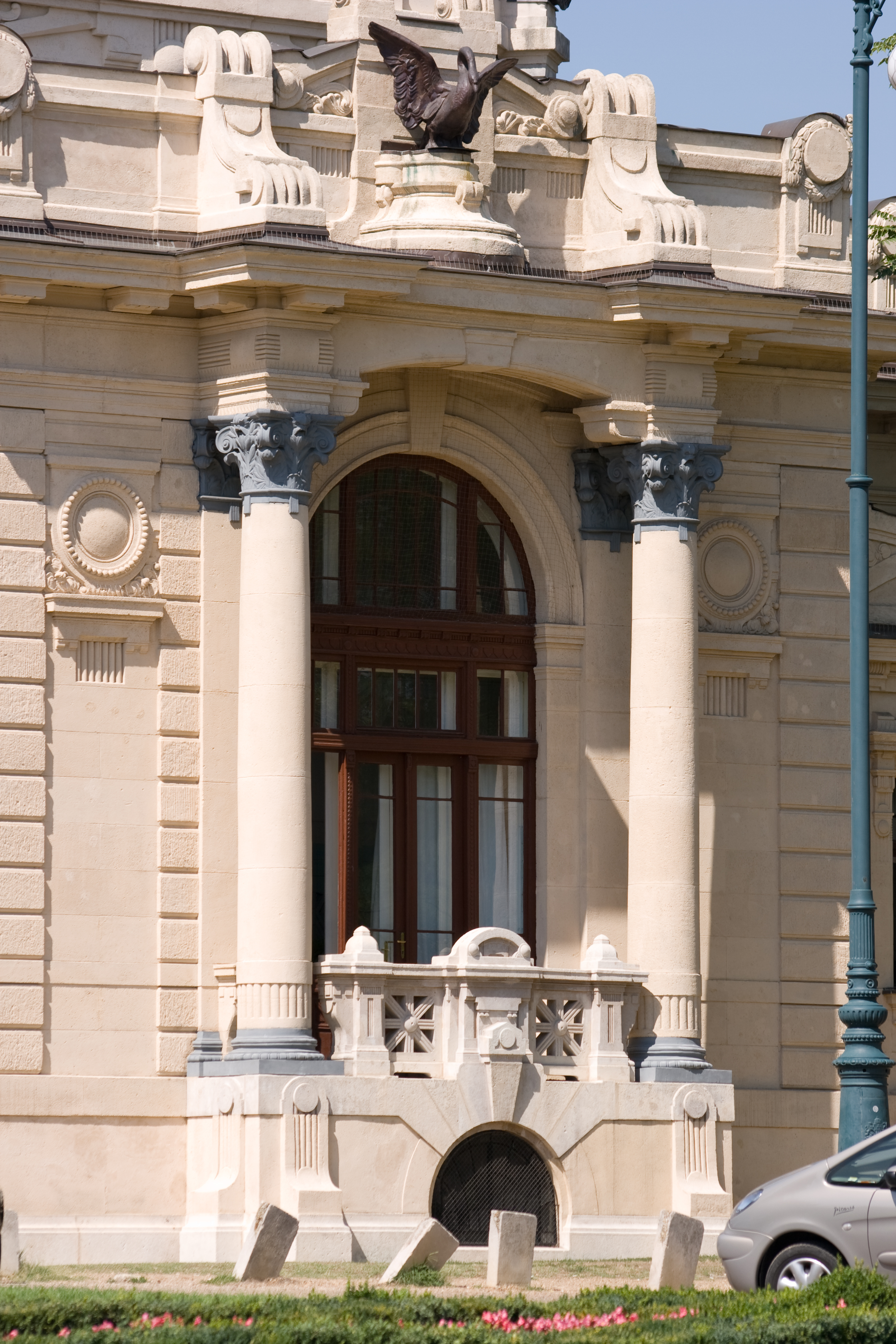
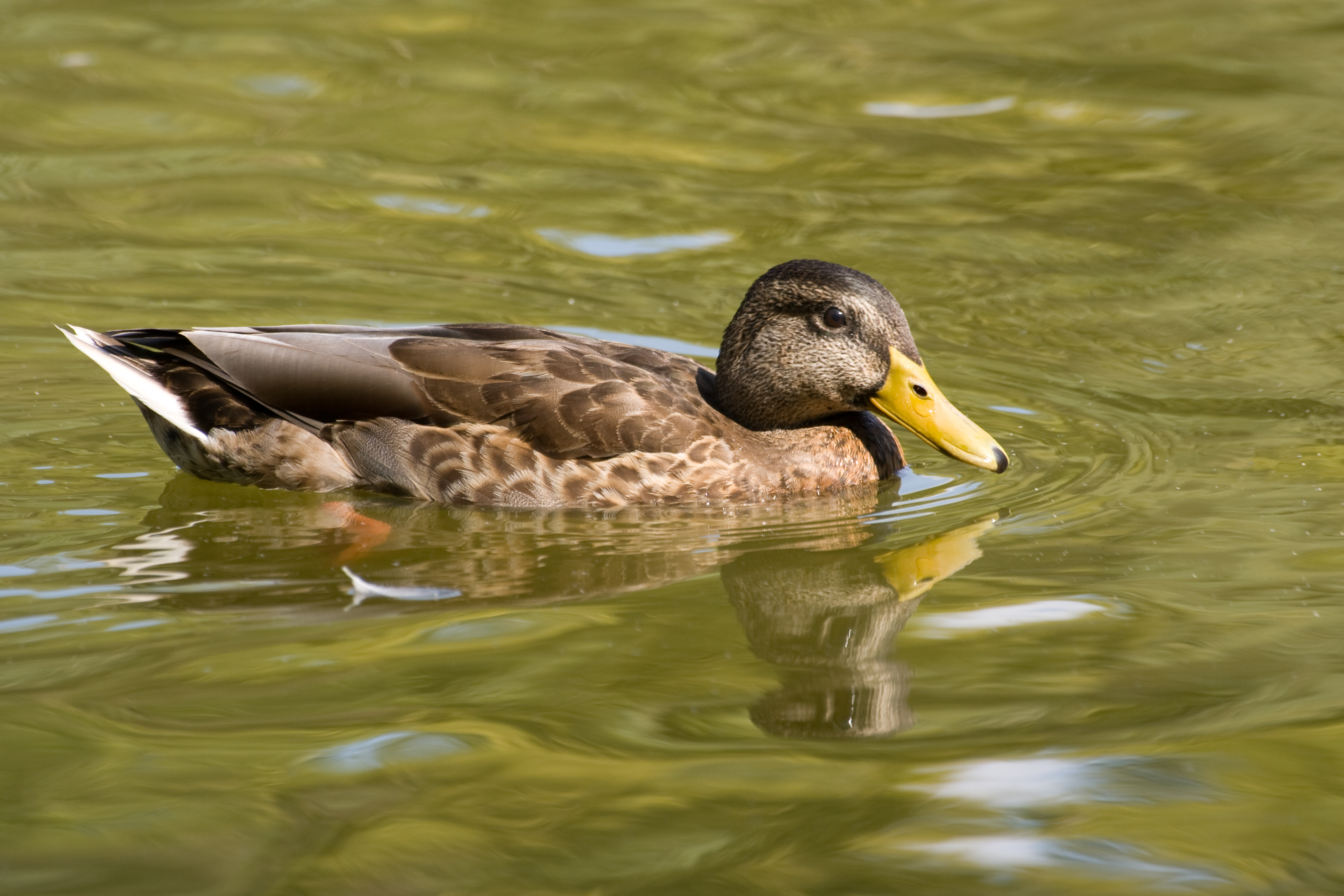
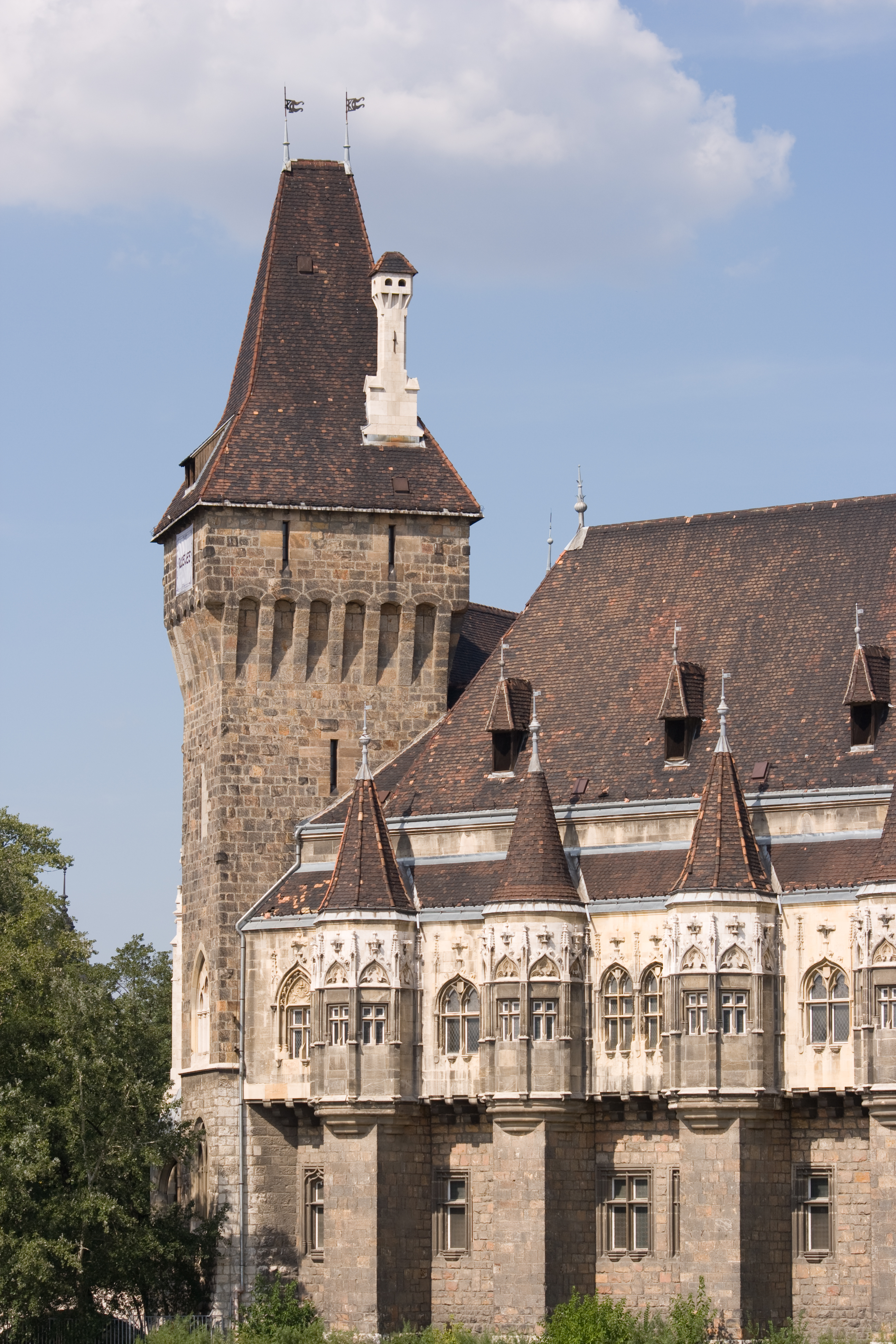
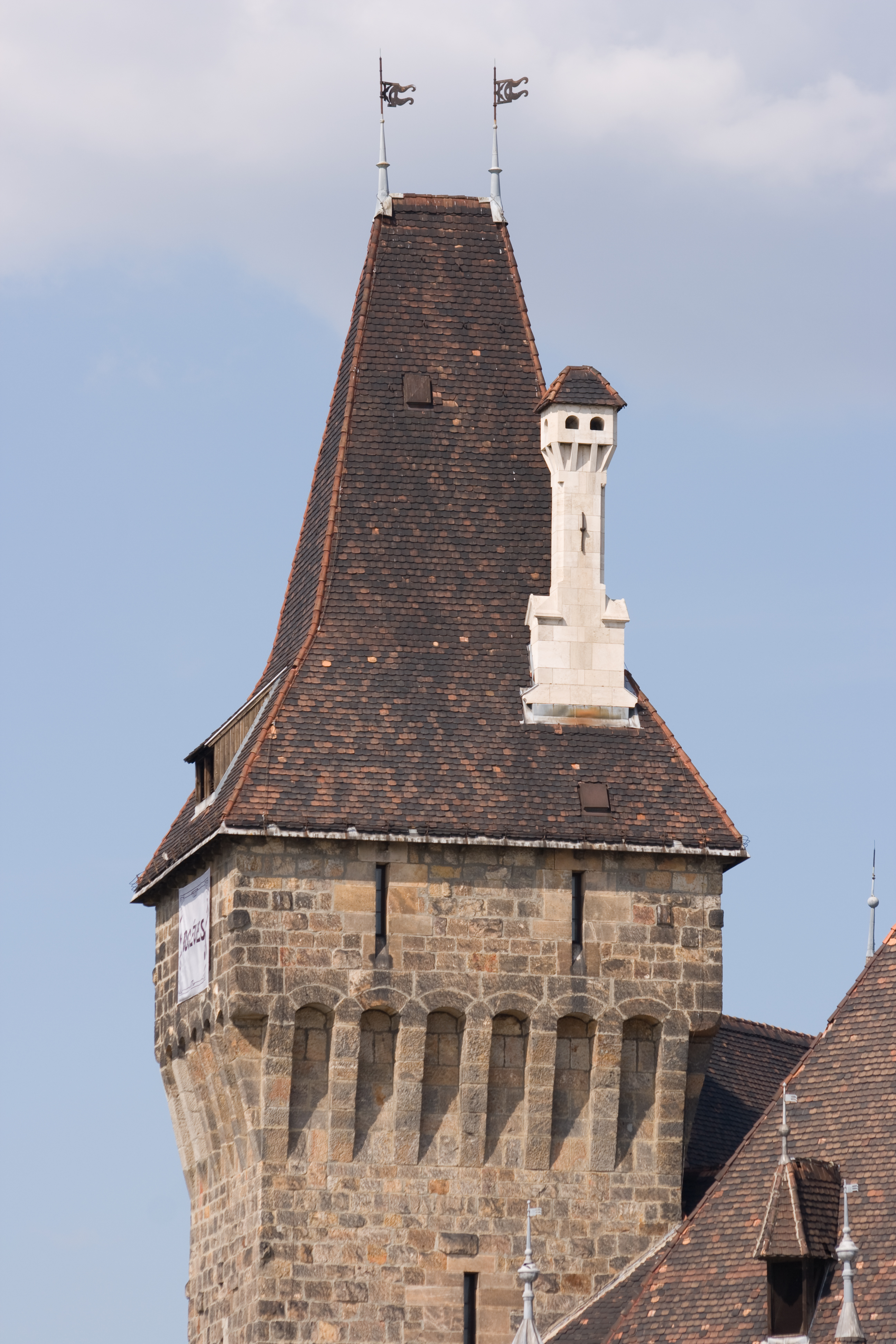
Canon EOS-400D + 70-300mm f/4-5.6 APO DG MACRO

Sigma 70-300mm f/4-5.6 APO DG MACRO Kiegészítők

58 mm Szűrők

58 mm Polár szűrők

58 mm UV szűrők

58 mm Skylight szűrők

58 mm Objektívsapkák

Copyright 2006 - 2010 © Pixinfo Kft. | Weboldal dizájn | Logó dizájn | Szerver hoszting | Snapfish online fotókidolgozás