
Objektívkereső
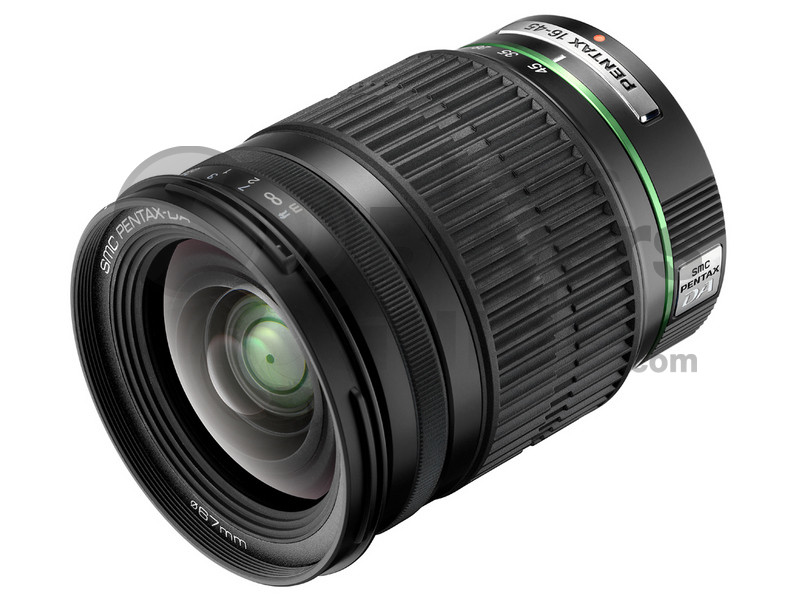
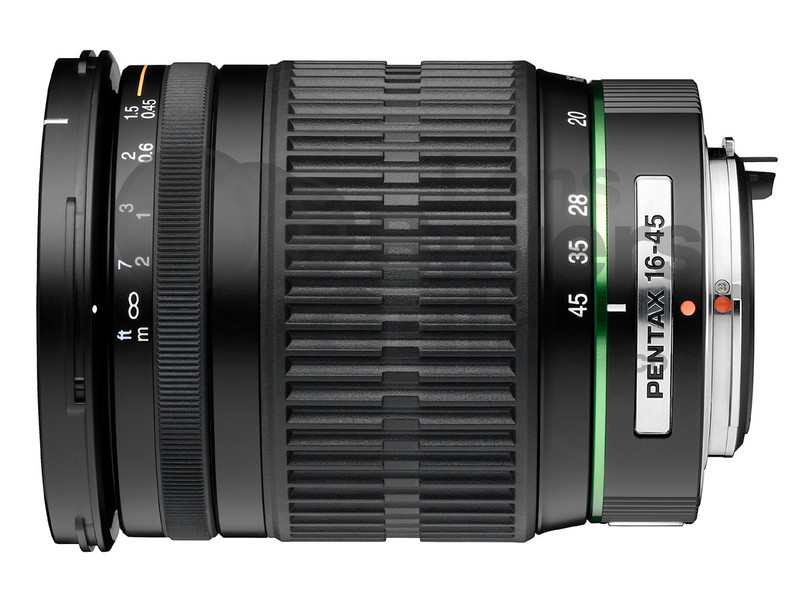
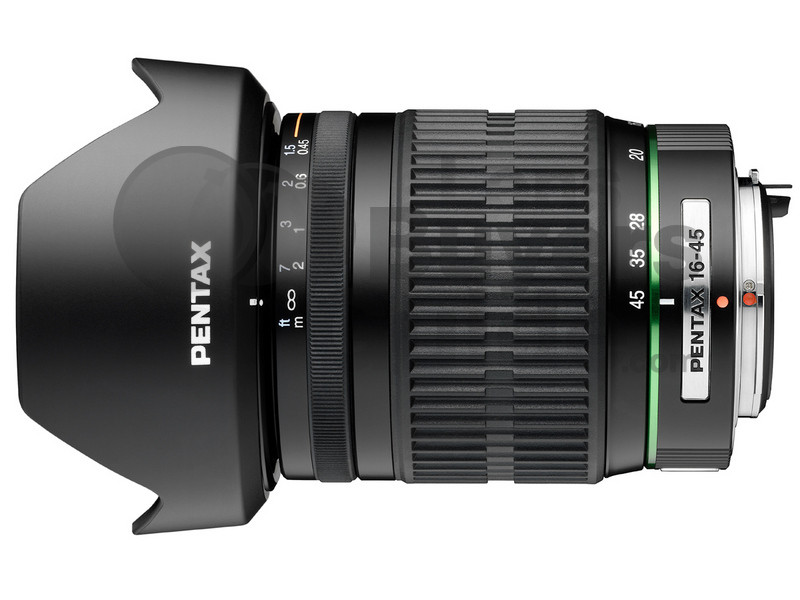
Pentax smc DA 16-45mm f/4.0 ED AL
   |
APS-C méretű vetített képAz APS-C méretű képet vetítő objektíveket kimondottan a digitális fényképezőgépekhez fejlesztették, ezért nem használhatók filmes gépeken, vagy olyan digitális fényképezőgépeken, amelyekben az APS-C méretűnél nagyobb érzékelő található. Nem ultrahangos AF-esAz ultrahangos automatikus élességállítással szerelt objektívek általában halkabbak és gyorsabbak, mint a tradicionálisan működő objektívek. Nem léptetőmotoros AF-esA léptetőmotoros automatikus élességállítással szerelt objektívek jobbak a kontraszt alapú élességállításnál és általában halkabbak és gyorsabbak, mint a tradicionálisan működő objektívek. Egy vagy több alacsony szórású lencsetag is van benneAz alacsony szórású lencsetagok segítenek csökkenteni a kromatikus aberrációt. Nem stabilizáltA képstabilizátor segít csökkenteni a kéz remegéséből adódó elmosódásokat. A stabilizátor hatása elsősorban nagy gyújtótávolságnál és gyenge megvilágításnál érezhető. A képstabilizátor 1-3 fényértéknyi előnyt biztosít a nem stabilizált objektívekhez képest. |
|
Az SMC PENTAX-DA 16-45mm F4.0 ED/AL objektív kifejezetten a digitális fényképezéshez ajánlott. Az objektív 3-szoros zoom arányt és az ultra nagy látószögt?`l a normál értékekig ível?` gyújtótávolságot kínál. Remek fénytör?` képességű, extra alacsony színszórású (ED) lencsetagja révén nagy felbontású, kontrasztos, valósághű színeket tartalmazó felvételek készíthet?`k, az aszférikus lencsetagok pedig segítsenek hatékonyabban továbbítani a fényt az objektívb?`l a filmre. Az SMC PENTAX-DA J 16-45mm F4.0 ED/AL egyaránt ajánlható az igényes amat?`r és a professzionális fotósoknak is.
|
Pentax smc DA 16-45mm f/4.0 ED AL Specifikáció
| Elérhető bajonett(ek) | Pentax K |
| Felhasználási terület(ek) | Portré, Tájkép, Belső terek, Épület |
| Kategóriák | Standard zoom |
| Szorzó | 1.5× |
| Stabilizátor | nem |
| Gyújtótávolság | 16 - 45 mm (2,8× zoom) |
| Objektív felépítése | 13 lencsetag 10 csoportban |
| Látószög |
35mm: nincs adat digitális: 83-35° |
| Lamellák száma | nincs adat |
| Legnagyobb blende | nagy látószög: f/4 tele: f/4 |
| Legkisebb blende | nagy látószög: f/22 tele: nincs adat |
| Legkisebb tárgytávolság | 28 cm |
| Nagyítás | nincs adat |
| Szűrőmenet | 67 mm |
| Méret | ∅ 72 × 92 mm |
| Tömeg | 365 g |
| Megjegyzések |
Blende vezérlés: Automatikus, Fénymérési rendszer: TTL nyitott blendés mérés |
| AF sebesség | nincs adat |
| AF hang | |
| Belső élességállítás | nincs adat |
| Belső zoom | nincs adat |
| Fix frontlencse | nincs adat |
| Bajonett típusa | nincs adat |
| Időjárásálló | nincs adat |
| Becsúsztatható szűrők | nincs adat |
| Ultrahangos AF | nem |
| Léptetőmotoros AF | nem |
| APS-C méretű vetített kép | igen |
| Alacsony szórású lencsetag | igen |
| Kemény tok | nincs adat |
| Puha tok | nincs adat |
| Napellenző |
PH-RBL 67mm (tartozék) nyomtatható napellenző |
| Állvány adapter | nincs adat |
Pentax smc DA 16-45mm f/4.0 ED AL Tesztek
Other reviews
- Pentax smc DA 16-45mm f/4.0 ED AL teszt a www.fotopolis.pl oldalon (lengyel)
Pentax smc DA 16-45mm f/4.0 ED AL a hírekben
- Tamron SP AF60mm f/2.0 Di-II MACRO
- Nikkor AF-S DX Micro 85mm F3,5G ED VR
- Sigma 17-70mm f/2,8-4 DC OS HSM MACRO
- Nagy fényerejű Carl Zeiss 35mm/F2 Canonra
- Sony SAL2875 28-75mm F2.8 SAM
- Carl Zeiss Distagon T* 28mm f/2
- Négy új ZuikoDigital objektív: 12-60mm, 50-200mm, 14-35mm, 70-300mm
- Négy új ZuikoDigital objektív: 12-60mm, 50-200mm, 14-35mm, 70-300mm
- Négy új ZuikoDigital objektív: 12-60mm, 50-200mm, 14-35mm, 70-300mm
- Négy új ZuikoDigital objektív: 12-60mm, 50-200mm, 14-35mm, 70-300mm
- Pentax DA 18-250mm/F3,5-6,3 ED AL [IF]
- Canon EF 200mm/F2,0 L IS és 800mm/F5,6 L IS
- Canon EF 200mm/F2,0 L IS és 800mm/F5,6 L IS
- Stabilizátoros Leica ultrazoom
- Leica D VARIO-ELMAR 14-50mm/F3.8-5.6 MEGA O.I.S.
- Tokina AT-X 35mm f/2,8 Macro DX késés
- Sigma 18-200mm/F3,5-5,6 DC Nikonokhoz
- Tamron 70-300 mm/F4-5,6 Di LD Macro fókuszmotorral
- Nikkor fényer?`s fix teleobjektívek AF-S 400mm/F2.8 VR, 500mm/F4 VR, 600mm/F4 VR
- Nikkor fényer?`s fix teleobjektívek AF-S 400mm/F2.8 VR, 500mm/F4 VR, 600mm/F4 VR
- Nikkor fényer?`s fix teleobjektívek AF-S 400mm/F2.8 VR, 500mm/F4 VR, 600mm/F4 VR
- 3 új Canon objektív: 14mm/F2.8 L II, 18-55mm IS, 55-250mm IS
- 3 új Canon objektív: 14mm/F2.8 L II, 18-55mm IS, 55-250mm IS
- 3 új Canon objektív: 14mm/F2.8 L II, 18-55mm IS, 55-250mm IS
- Min?`ségi Nikkor AF-S 14-24mm és 24-70mm nagy fényer?`vel
- Min?`ségi Nikkor AF-S 14-24mm és 24-70mm nagy fényer?`vel
- Carl Zeiss Distagon T* 28mm f/2 EF bajonettel
- Tamron SP AF17-50mm f/2.8 XR Di II VC LD Aspherical
- Carl Zeiss Distagon T* 21mm F2,8 ZE Canonra
- Carl Zeiss Distagon T* 18mm f/3,5 Canonra
- Stabilizált Sigma 70-300mm f/4-5,6 DG OS
- Két új M. Zuiko Digital objektív
- Két új M. Zuiko Digital objektív
- Tokina 11-16mm/f2,8 DX Sony gépekhez
- Hamarosan itt az új Sigma 17-70mm
- Canon EF 70-200mm F2,8L IS II USM
- smc Pentax D FA 100mm F2.8 WR Macro
- Nikkor AF-S 300mm F2,8G ED VR II és TC-20E III.
- Carl Zeiss optikák Canon csatlakozással
- Carl Zeiss Planar T* 85mm/1,4 ZF.2 és 50mm/1,4 ZF.2
- Carl Zeiss objektívek CPU-val
- Carl Zeiss objektívek CPU-val
- Carl Zeiss objektívek CPU-val
- Carl Zeiss objektívek CPU-val
- Carl Zeiss objektívek CPU-val
- Sigma 70-300mm F4,0-5,6 DG OS Sony és Pentax csatlakozással
- Tamron 17-50mm/F2,8 Di-II VC LD Canonhoz is
- Nikkor AF-S 16-35mm f/4 G ED VR
- Nikkor AF-S 24mm f/1.4G ED
- Pentax és Sony változatban a Sigma 17-70mm
- Voigtländer APO-LANTHAR 90mm F3,5 SL-II
- ?sj FLD lencsetag a Sigma objektíveiben
- ?sj FLD lencsetag a Sigma objektíveiben
- ?sj FLD lencsetag a Sigma objektíveiben
- Sony bajonettre is csatlakozik a Tokina 11-16mm
- Sigma APO 50-500mm f4.5-6.3 DG OS HSM
- Sigma 85mm f/1.4 EX DG HSM
- Sigma 17-50mm F2.8 EX DC OS HSM
- Sigma 8-16mm f4.5-5.6 DC HSM
- Carl Zeiss Planar T* 85mm/1,4 ZF.2 és 50mm/1,4 ZF.2
- Sigma APO 70-200mm F2.8 EX DG OS HSM
- Hamarosan boltokban az új Canon 70-200mm F2,8L IS
- LUMIX G Vario 14-42mm F3,5-5,6 ASPH. MEGA O.I.S.
- Nikkor AF-S 200-400mm F4 G ED VR II
- Lumix G FISHEYE 8mm F3,5
- Négy objektív a Nikon 1 rendszerhez
- Négy objektív a Nikon 1 rendszerhez
- Négy objektív a Nikon 1 rendszerhez
- Négy objektív a Nikon 1 rendszerhez