Lens finder

Hints:
Write at least 2 characters
Try to narrow the search by typing the following: e.g. 70 300 is
If you find the content of this site useful, please purchase your lenses and accessories from our partners through this site. Thank you for your support!
$655.95
Buy now

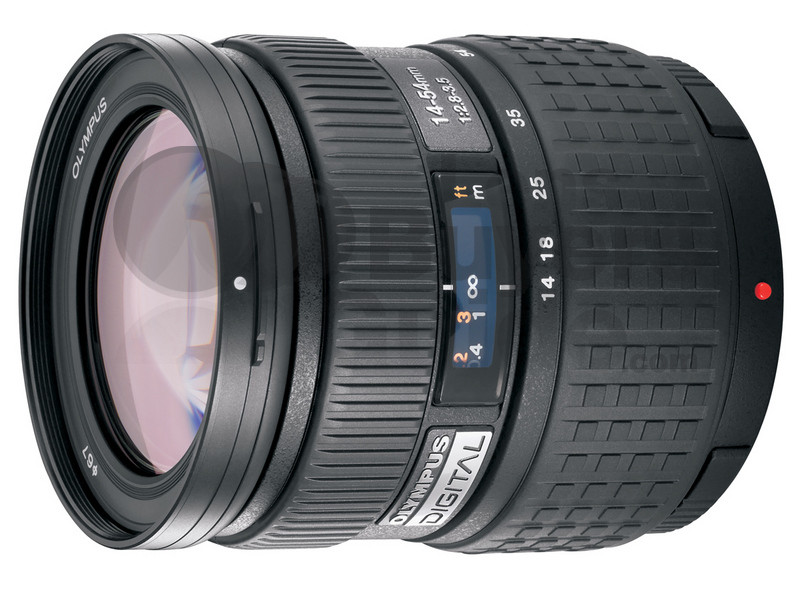
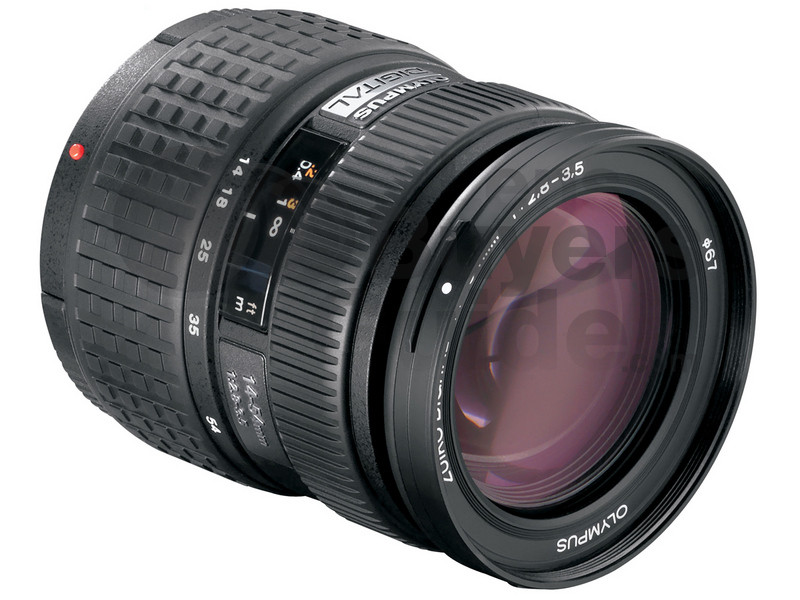
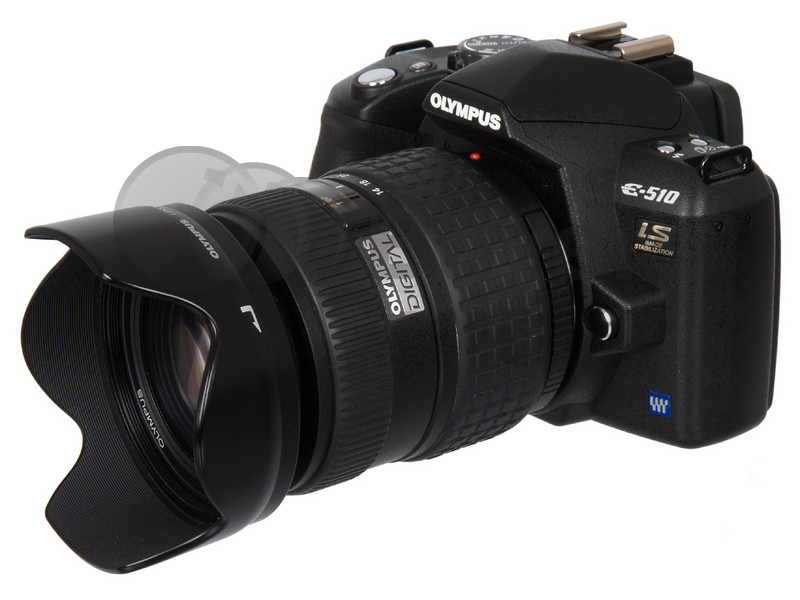
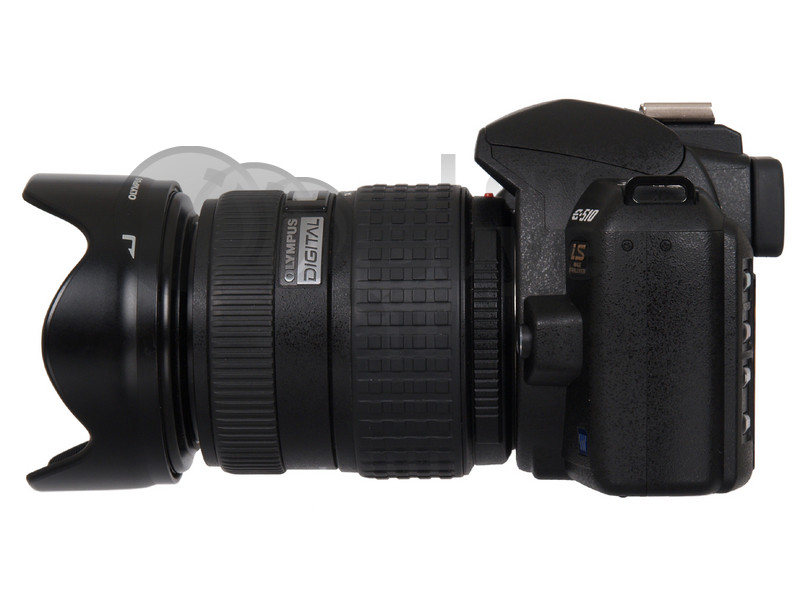
Olympus Zuiko Digital 14-54mm f/2.8-3.5


No Ultrasonic AF

Lenses with ultrasonic focusing mechanism tend to be quiter and faster than traditionally focusing lenses.


No Low Dispersion lens element is used

Low Dispersion lens elements help to reduce chromatic aberration.


Not stabilized

Image stabilization helps to reduce blur caused by hand shake, especially at high focal length or in low light situations. Image stabilization can give 1 to 3 stop advantage over none stabilized lens, based on the reciprocal rule.


Metal mount

Cheaper lenses are usually equipped with plastic mount, while more expensive, professional lenses have metal mount. In general, metal mounts are more durable, and a good thing to have when lenses are changed a lot. When a camera is used mainly with one lens, the material of the lens mount is not that important.


Internal Focusing

Internally focusing lenses don't change their size while setting focus.


No Internal Zoom

Internally zooming lenses don't change their size while focal length is changing.


The front lens is fixed

The fixed front lens is not rotating during zoom and/or focusing. This allows the photographer to use petal shaped lens hood. Fixed front lenses also make the use of polarization filters a lot easier.


No drop-in filter support

Drop-in filters are used in those lenses where either the front lens is too large, or the field of view doesn't permit the use of traditional filters at the front of the lens. Usually bright tele and ultra-wide angle lenses support this filter type.

The 14-54mm lens is a high-quality standard zoom lens. It covers the zoom range of 28-108mm on a 35mm camera, and the closest focusing distance is 22cm in the entire zoom area. High image magnification of 0.26x (equivalent to 0.52x on a 35mm camera) is good for close-up shots. Luxurious three glass aspherical lenses are used to give the high image quality with high-resolution and good contrast.

Olympus Zuiko Digital 14-54mm f/2.8-3.5 Specification

Available mount(s) FourThirds
Application(s) Portrait, Sports, Closeup, Landscape, Architecture
Category(s) Standard zoom
Multiplier
Stabilizer no
Focal length 14 - 54 mm (3.9× zoom)
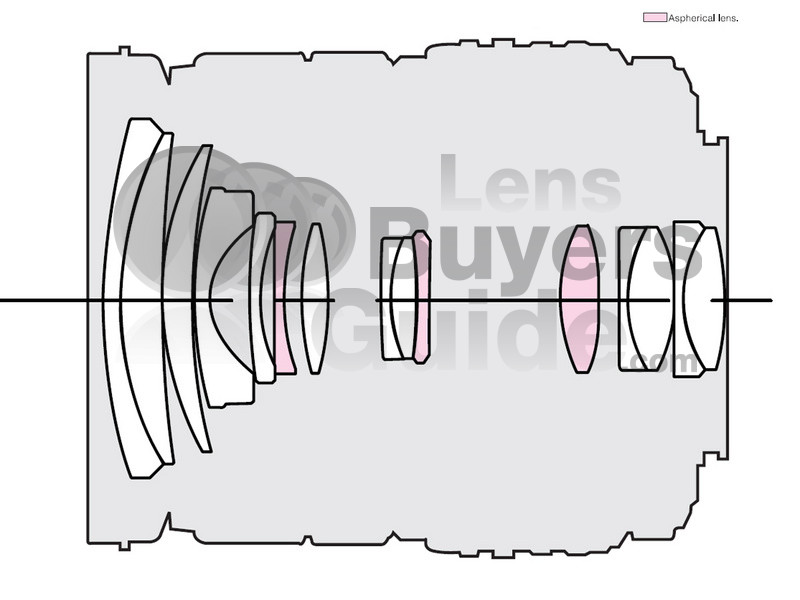
Lens construction 15 elements in 11 groups
Angle of view 35mm: N/A
digital: 75-23°
Number of blades 7
Maximum aperture wide: f/2.8 tele: f/3.5
Minimum aperture wide: f/22 tele: f/22
Minimum focusing distance 22 cm
Magnification 0.26×
Filter size 67 mm
Size ∅ 73.5 × 88.5 mm
Weight 435 g
Notes
AF speed 0.3 sec. (from close up to infinity)
AF sound
Internal focusing yes
Internal zoom no
Fix front lens yes
Mount type metal
Weather sealed N/A
Drop in filter no
Ultrasonic AF no
APS-C sized circle N/A
Low dispersion lens element no
Hard case N/A
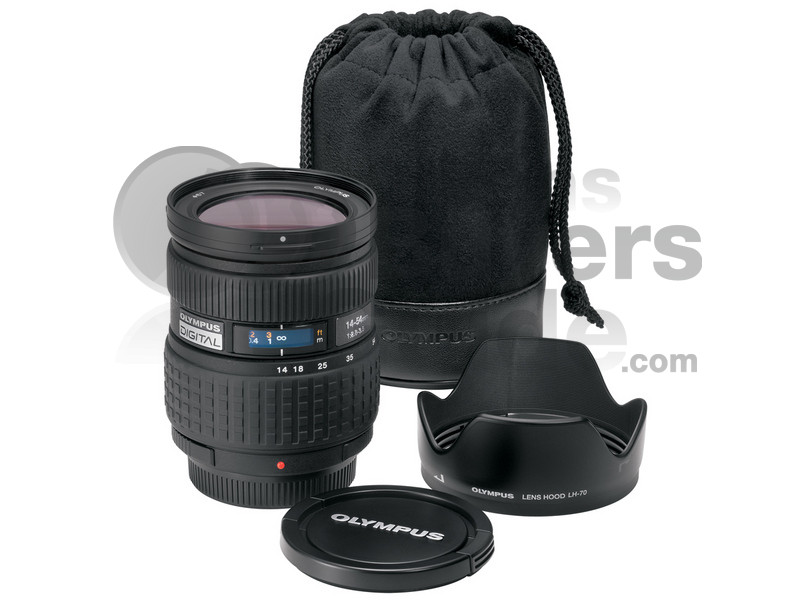
Soft case LSC-0816 (included)
Lens hood LH-70 (included)
Tripod adapter N/A
Olympus Zuiko Digital 14-54mm f/2.8-3.5 Specification

Olympus Zuiko Digital 14-54mm f/2.8-3.5 Reviews

Olympus Zuiko Digital 14-54mm f/2.8-3.5 in the news

Other reviews

Olympus Zuiko Digital 14-54mm f/2.8-3.5 Owner Reviews

Most useful owner reviews from Amazon

Excellent mid-range zoom lens

Jan 16, 2007

Photographers from novice to entry-level pro will appreciate the quality of 14-54mm. It fills the need for a fast, sharp, and adaptable digital lens at a reasonable price. Though its focal length (28-108mm optical equivalent) isn't suited for shooting in confined spaces (look at the 11-22mm Zuiko for that) or for pulling in distant wildlife or sports action (maybe the 50-200mm Zuiko would be better), the 14-54mm is close to ideal for the image making most of us do most of the time. It's almost always on my E-500 and if I can take only one lens with me, this is the one.

The 14-54mm's color rendition is outstanding and it's generally very sharp from center to edge. Not surprisingly, it performs best in the middle apertures (say, f/5.6 to f/11) with no noticeable fall off at either end of its focal range. There is some very, very slight softness when zoomed fully out or in, in which case it's probably best not to shoot wide open or closed down (boost the ISO a touch instead) -- a general rule of thumb, anyway. Nothing here would stop me from buying the lens again in an instant.

The f/2.8-3.5 aperture range allows reasonable control over depth of field, e.g., to soften backgrounds when shooting portraits. The lens is fairly light and compact, with a good feel on the camera, at least on my E-500. (And contrary to another reviewer's comment, as long as you put the lens hood on properly, it won't block the lens at any focal length.) Note that if you stack filters (e.g., a UV and a polarizer) you're likely to get some very modest vignetting, which may also occur at full wide if you use a single filter with a thicker frame. This happens with almost all wider angle lenses (and can easily be addressed using standard image editing software).

Good lenses do make a difference. The 14-54mm is a good lens, and not just because of the price. As a modestly serious amateur photographer, I've had it for several months now, have shot a couple of thousand images -- some as tests and some for keeps -- and have no complaints about the 14-54mm at all.

Nice piece of glass! Glad I bought it!

Apr 19, 2006

I bought this lens for my Olympus E500 and sold the kit lens on Ebay. So far I have not regrets. Like many of you who are reading these reviews, I wondered how much difference this lens would make over the 14-45mm f/3.5-5.6 kit lens. I can tell you from my experience that the extra stop helps alot for those photos taken inside with less then optimal light (such as the lighting in your average household). I also noticed an improvement in photos I have taken on a dark overcast winter day in downtown Boston. Not that these photos are not possible with the kit lens, the 14-54mm lens just seems to requires less effort. Bright, sunny situations have not made that much of a difference but just about anything looks good on a bright sunny day. Also, you can focus within inches of a subject which is great for the occasional macro photo. The focal distance indicator on the lens barrel has come in handy a couple of times. Especially in darker situations where the autofocus might have trouble and no flash is allowed.

Best standard zoom around

Feb 1, 2005

I've been using it on my E1 for a while, and it proved to be an excellent lens. Sure, my Minolta MD 35-70mm f/3.5 (Leica Vario-Elmar) beats it in bokeh and image beauty, and any 50m Planar will beat it in absolute sharpness, but this one has almost the bokeh of a Minolta, and almost the sharpness of a prime; it's reasonably fast for a zoom and has the best range of focal lengths one can reasonably hope for (28-108mm equivalent). It's good for everything, although not absolutely perfect for any particular thing. That makes it the standard zoom of choice.

Flaws: cyan fringing (chromatic aberations) on the wide end, particularly on the edges and wide open. Vignetting on the long end. Target-shaped bokeh, especially visible when shooting macro. That's about it. Oh yes, very resistent to flare, the coating is excellent.

My comparison with the 14-42mm "Kit Lens"

Aug 10, 2009

I have an Olympus E-520 bought together with the two kit lenses -- 14-42mm f/3.5-5.6 & 40-150mm f/4.0-5.6. After using them for a while, I decided I wanted a faster base zoom lens for low-light, non-flash conditions. I chose the Olympus Zuiko 14-54mm f/2.8-3.5 lens. When it arrived last week, I spent a day taking comparison shots with the 14-42mm kit lens. The camera was used in Aperture-Priority mode to allow comparable settings. Image stabilization was always on. Following are my results.

Image Quality and Performance
I found hardly any difference in image quality (color balance, contrast, sharpness, CA, etc.) between the two lenses at the same aperture, focal length, and ISO settings. At identical settings, images using the 14-54mm might have been marginally sharper, but not enough to notice except in big-time crops. However, the lens was 2-3 times faster; i.e. at the same ISO and aperture, a shot taken at 1/30 of a second with the 14-42mm lens could be taken at 1/80 using the 14-54mm. Likewise, at the same shutter speed and aperture, an ISO 400 shot could be taken at ISO 200. A lower ISO and/or a higher shutter speed CAN increase image quality, since there's less sensor noise & less chance for camera shake, respectively. With the differing settings needed for decent exposures in low-light conditions, images and crops using the 14-54mm lens were distinctly better. Also better bokeh.

I found focusing speed and accuracy about same between the two lenses for both far-away and close-up exposures except in low-light conditions, where the 14-54mm had a definite advantage. For far-away photos, the 14-54mm has about 20% greater maximum telephoto reach, roughly 2.1X versus 1.7X. For close-ups, the 14-54mm had an almost-macro capability - it focused about two times nearer to the subject.

Using the on-board flash with both lenses at their widest apertures, the 14-54mm took decent exposures at ISO 100, while the 14-42mm required at least ISO 200. The longer barrel of the 14-54mm cast a flash-shadow at its widest 14mm focal length (28mm film equivalent). The shadow disappeared at about 19mm (38mm film equivalent). No flash-shadow was cast with the 14-42mm lens at any focal length.

Size and Portability
Weighing just over one pound, the 14-54mm is over two times heavier than the 7 ounce 14-42mm lens. It's also about 40% longer and a bit wider - 3.4" vs. 2.4" and 2.9" vs. 2.6", respectively. Its larger size does affect my system portability. I carry my stuff in a compact Olympus #260248 camera bag. The bag accommodates the E-520 with the 14-42mm kit lens attached, the 40-150mm lens, a Sony 1.7X Tele-conversion lens, an extra battery, the charger, a short extendable monopod, an extra CF card, a lens brush and cleaning cloth, and a small notebook. While a tight fit, everything's accessibly together at a total weight of just over 4-1/2 pounds. If I attach the 14-54mm lens, some of that "stuff" won't fit -- its greater size and weight is the reason I've given it only a 4-Star rating. A bigger bag would fix that, but I really like the size and quality of the one I have now.

Cost Ranges
As current ballpark figures that I'm sure will change over time, a new 14-42mm lens-alone costs just over $200; a new 14-54mm lens-alone is just over $400, or about twice the cost. Olympus's new Version II 14-54mm lens is closer to $600 - but that's a separate story. However . . . . if bought new as part of an Olympus E-Series camera package, the two "kit lenses" add about $200 to the camera body-only cost -- that's about $100 each, which is roughly what they sell for used. Likewise, a lightly used or factory-reconditioned 14-54mm lens can be had in the mid-to-high $300's range - a lower percent savings, but still decent. The Version II 14-54mm lens can be bought new as a package with higher-level Olympus bodies like the E-30, but I've not done a lens-alone comparison, nor have I seen any used Version II lenses. Whew . . . . a confusing set of numbers and options!

Bottom Line
If you take all or most of your photos outside on sunny days, I see absolutely no reason to upgrade from the 14-42 mm kit lens to the 14-54mm lens. Image quality is essentially the same, as is focusing speed and accuracy. Additionally, the latter's larger size and weight can make portability more difficult, and its cost is two to four times greater than the kit lens depending on how you choose to compare and buy.

HOWEVER, if you want higher quality images of landscapes on dark days, of building interiors, or of weddings and similar events where a flash can be disturbing, then the 14-54mm lens could well be a necessity! And it's about the lightest, smallest and least expensive lens you can get with similar specifications. Finally, its more robust build quality, and slightly better telephoto and close-up capabilities might be pluses, but they don't seem as significant as its better low-light performance.

Am I satisfied with my upgrade? Not entirely sure yet. I'd intended to sell my 14-42mm kit lens on receipt of the 14-54mm. After my comparison test, that intention changed. Most of the time, my bag will be packed with the kit lens and other "stuff" as described earlier. I'm glad to have the option for better low-light flexibility, but the 14-42mm is good enough to stay for now as my usually attached walk-around lens for bright-day photography.

P.S. Off-topic, I occasionally use a Sony VLC-DH1758 Tele-conversion lens to increase the reach of my 40-150mm lens by a factor of 1.7. It was an accidentally discovered way to almost double the range of the lens -- and the Sony fits nicely in my bag. If you're curious, search Amazon for that item, and see an early August 2009 review under the listing.

On the surface, same as factory lens, but dig deeper

Feb 12, 2007

You can not evaluate the lens by just the numbers - yes, it is nearly identical to the factory lens, but it is a much faster lens and made in Japan, not China. Additionally it has a unique focus system that requires very little lens movement to go from 3 feet to infinity - this translates into RAPID focus - faster than the factory lens as well. It also features the mounting lugs and 62mm (as opposed to 58) filter threads to accept the ring flash as well as the twin flash accessories, so if you have expanded beyond the FL-50 - you DON'T want the factory lens any more. Taken together, this is the lens 70-80% of my shooting was done with. I am sold on the E300 and bought 3 backs cheap after they were obsoleted - I also bought 3 lenses, the 14-54, the 50mm macro, and the 50-200mm - each lens is on its own back eliminating the risk of contamination completely while giving me redundancy when I am away.

After knowing you are going to take a picture, you narrow down to 2 questions as to which one.

1 - you don't know much except you have a picture to take - use the 14-54
2 - you know it's going to be about 50mm and you want maximum detail or have poor lighting, or have a macro shot - then pick the 50 mm prime lens
3 - it's a long distance shot - take the 50-200, add the teleconverter if needed.

Simple!

And for flash - long distances get the FL-50 - shorter get the ring or twin flash to even the lighting out. Forgot your flash? pop up the built in one!

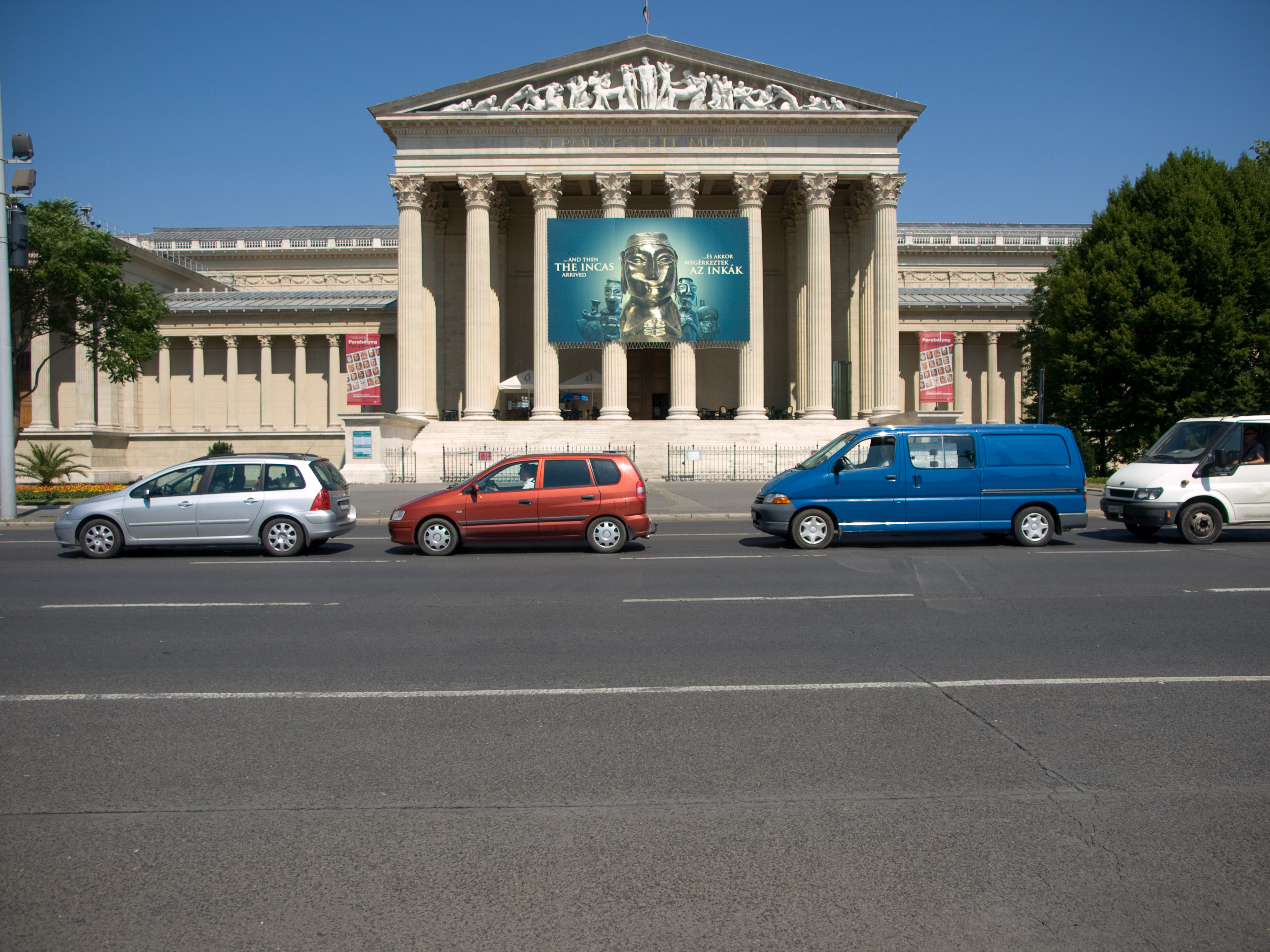
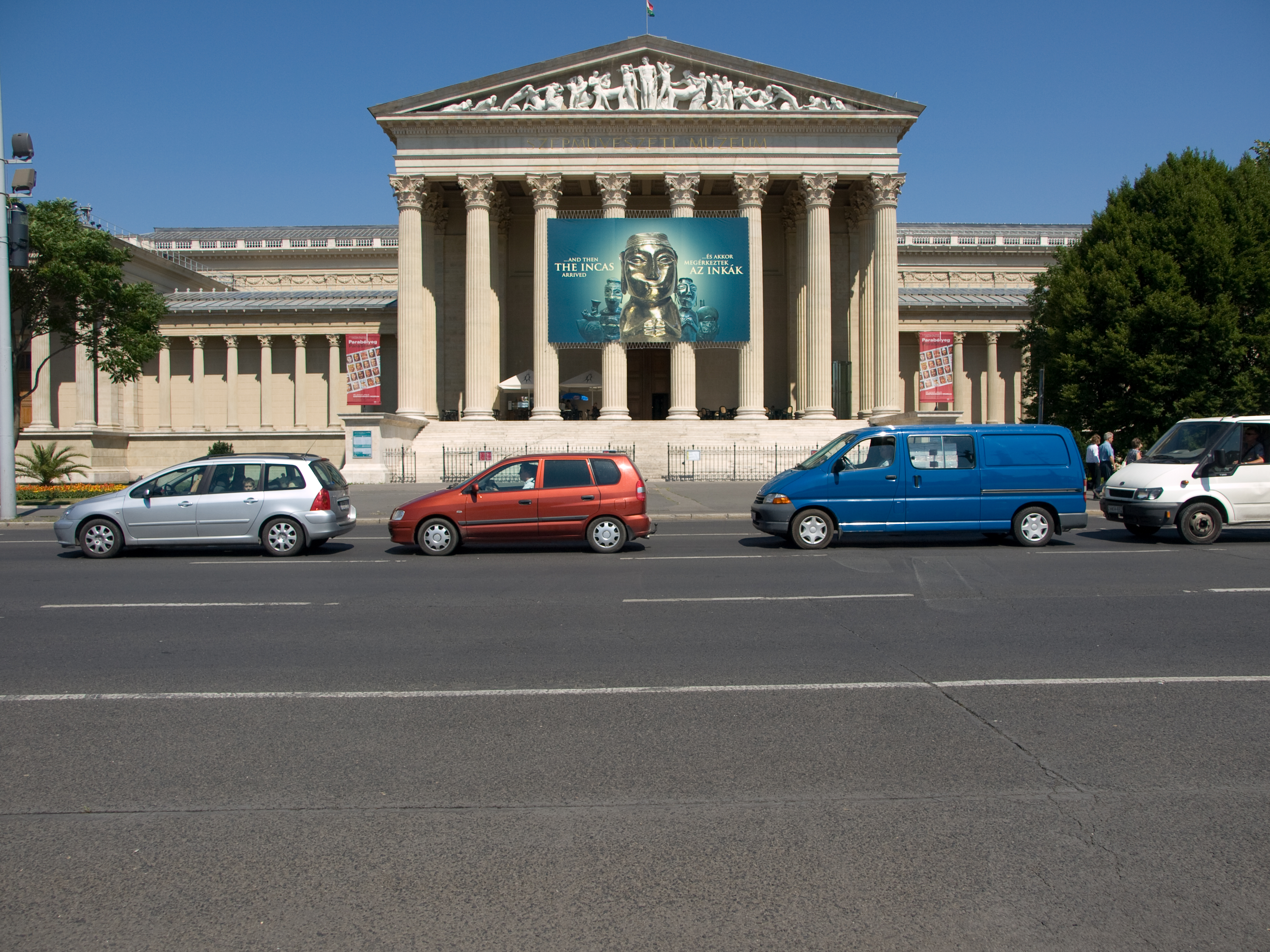
Olympus Zuiko Digital 14-54mm f/2.8-3.5 Sample Photos

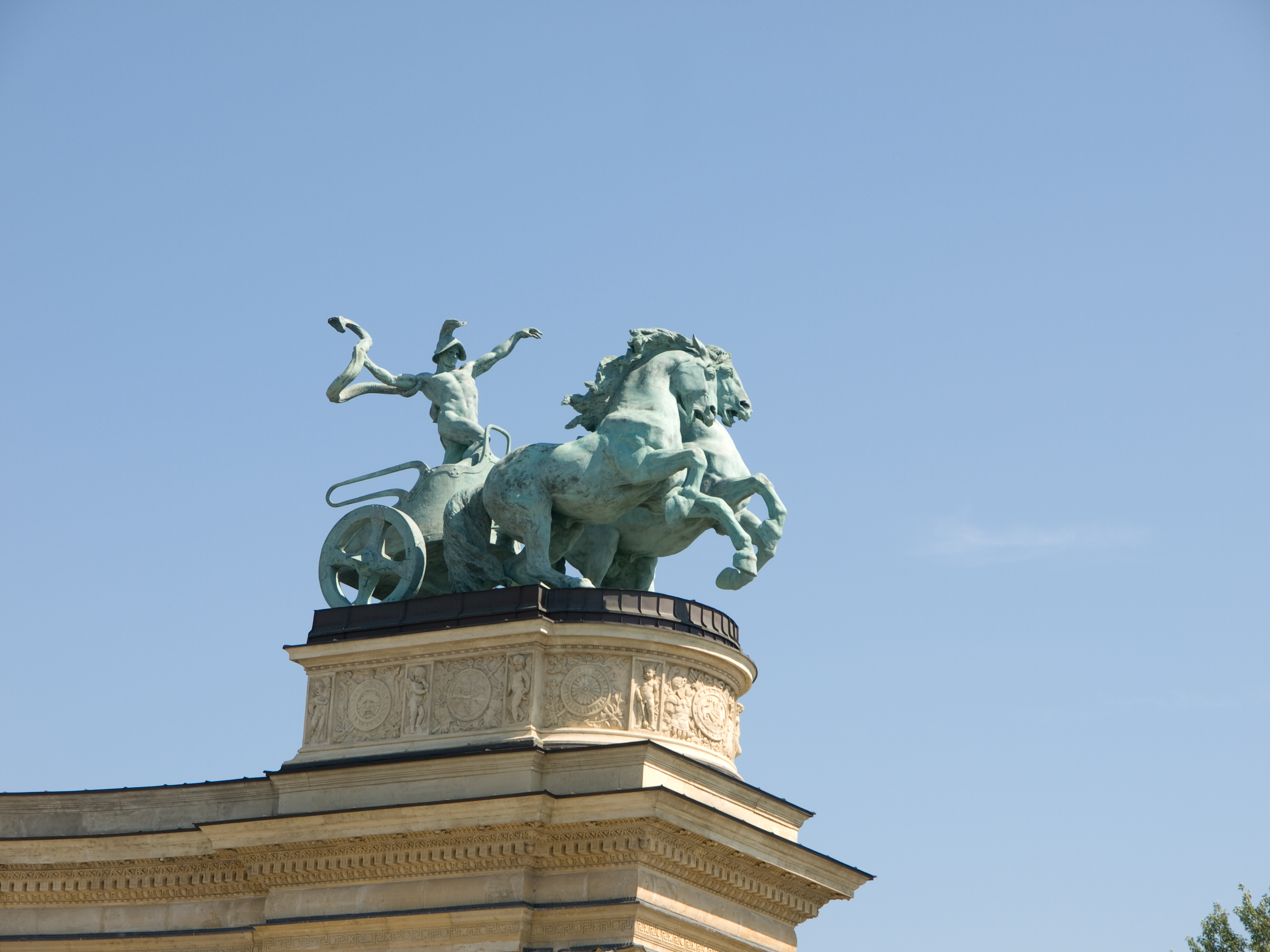
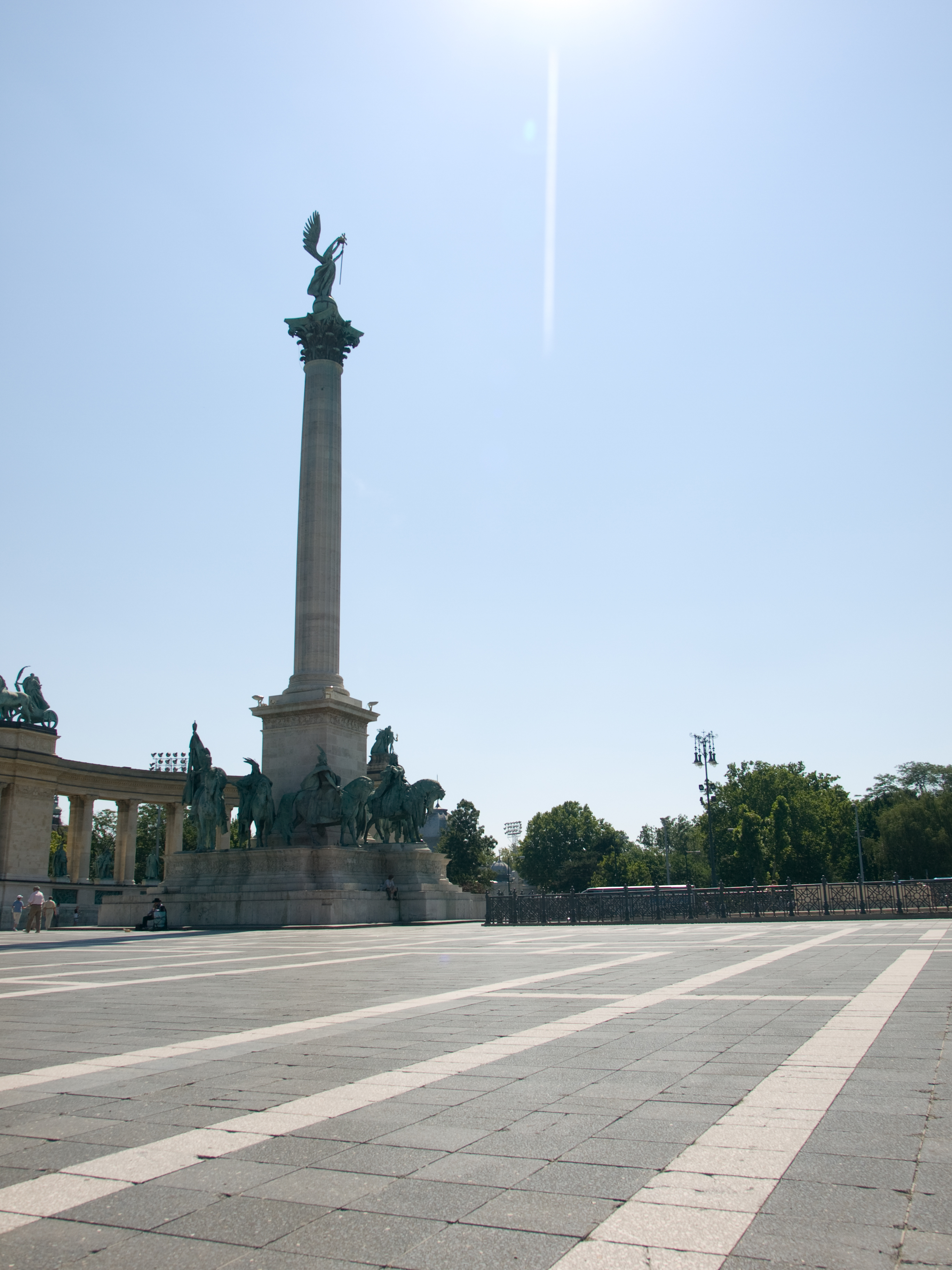
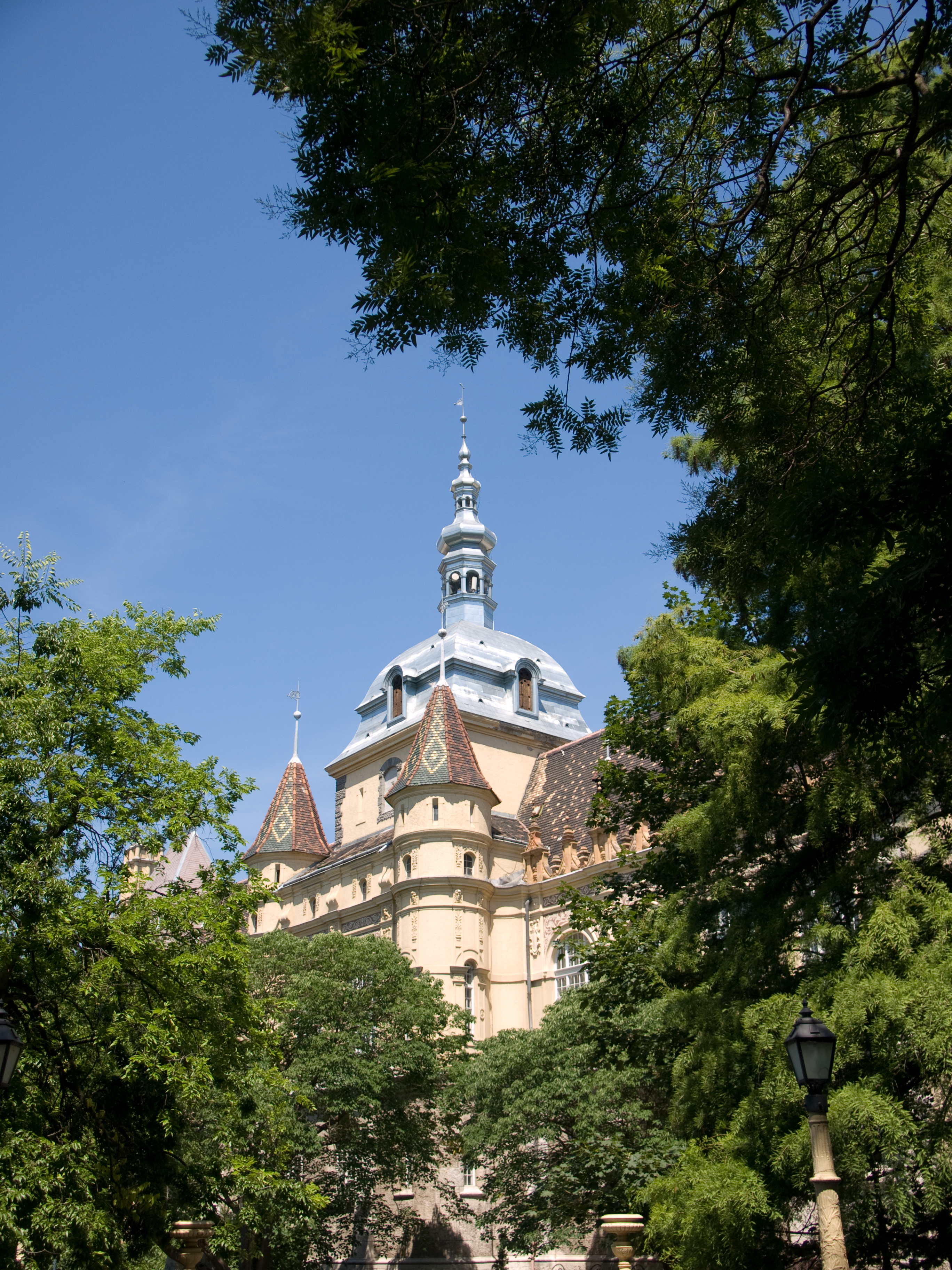
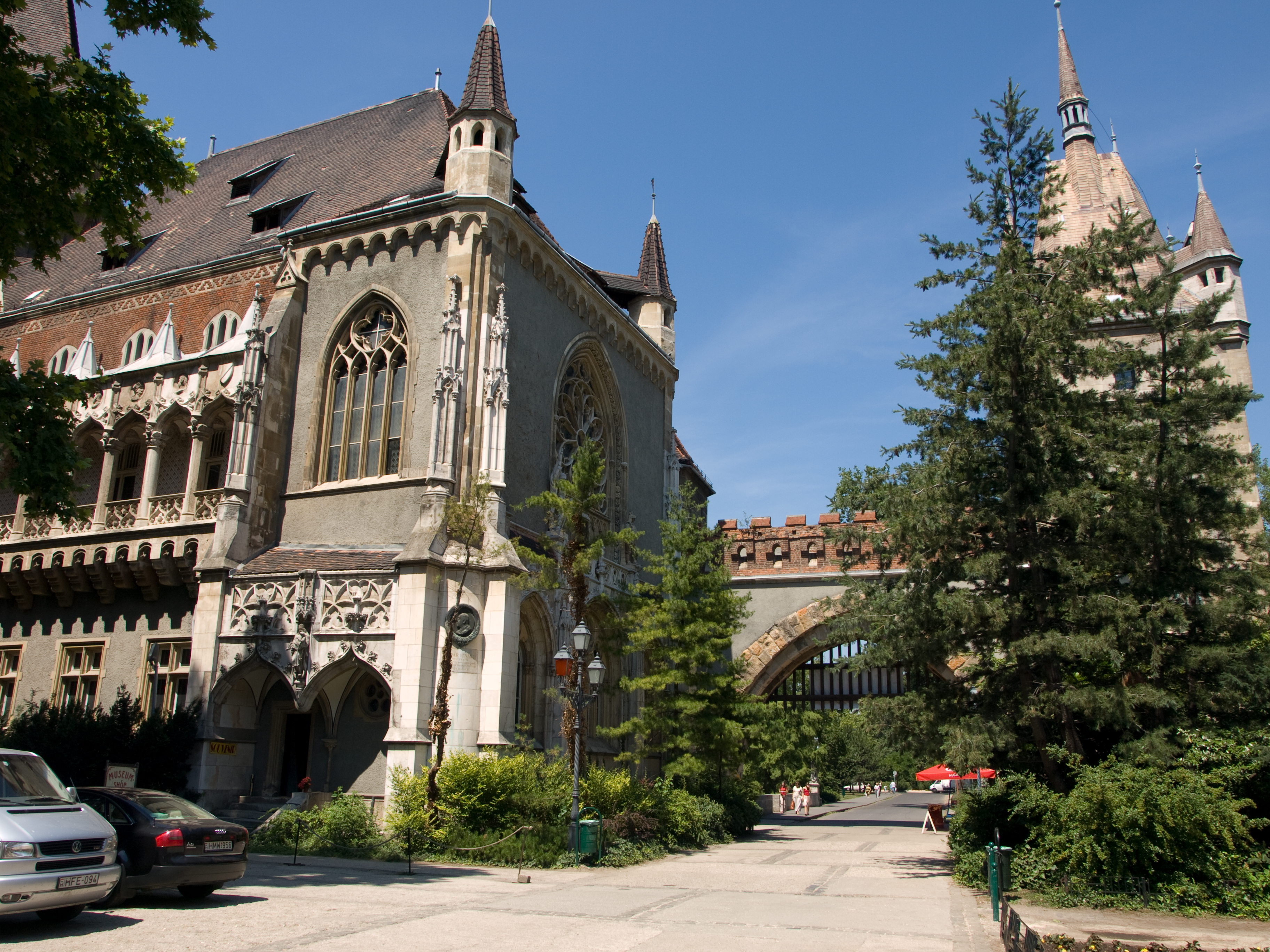
Olympus E-410 + Zuiko Digital 14-54mm f/2.8-3.5

Olympus E-510 + Zuiko Digital 14-54mm f/2.8-3.5

Olympus E-30 + Zuiko Digital 14-54mm f/2.8-3.5 II

Olympus Zuiko Digital 14-54mm f/2.8-3.5 Accessories

Lens hoods for Olympus Zuiko Digital 14-54mm f/2.8-3.5

67 mm Filters

67 mm Polarizer Filters

67 mm UV Filters

67 mm Skylight Filters

67 mm Lens Caps

Copyright 2006 - 2010 © Pixinfo Ltd. | Website design | Logo design | Server hosting | Snapfish online fotókidolgozás