Objektívkereső
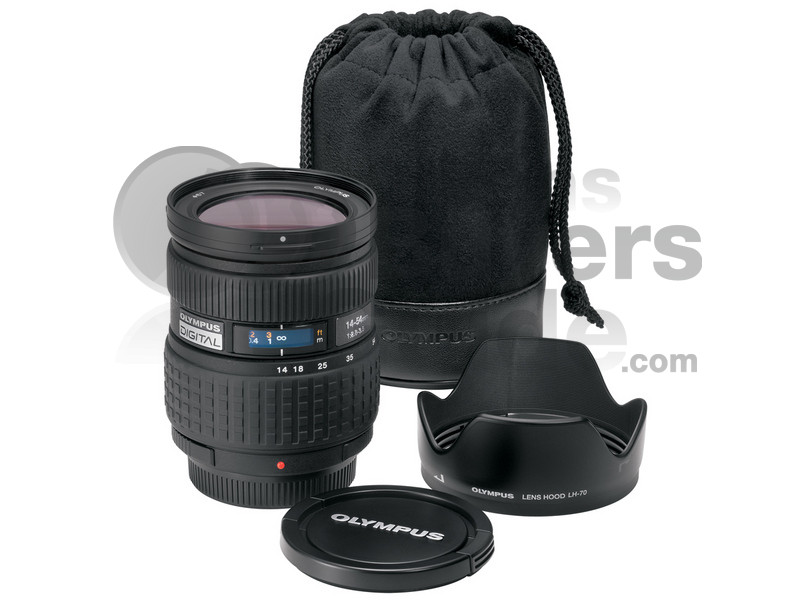
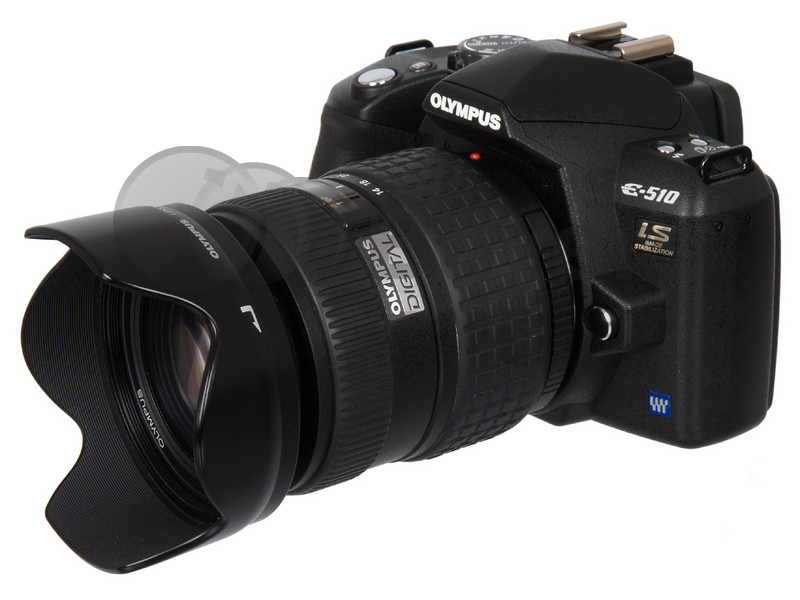
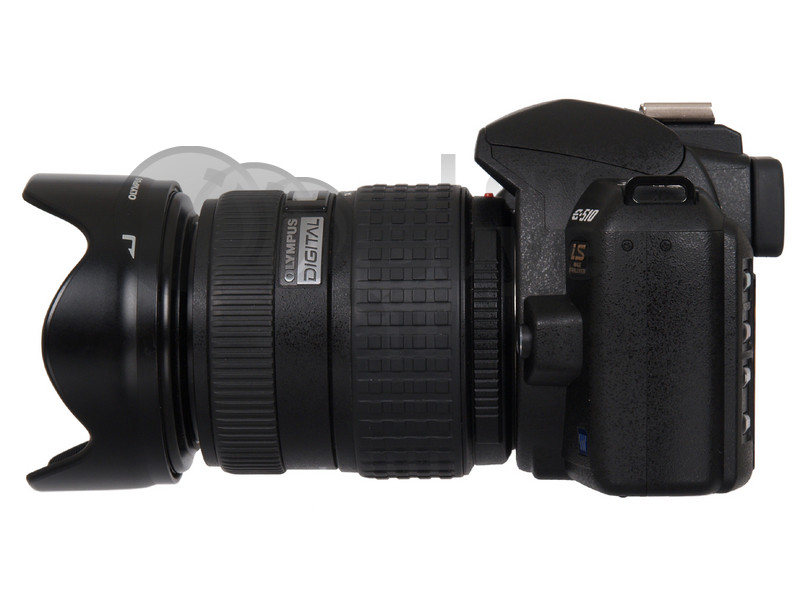
Olympus Zuiko Digital 14-54mm f/2.8-3.5
Nem ultrahangos AF-esAz ultrahangos automatikus élességállítással szerelt objektívek általában halkabbak és gyorsabbak, mint a tradicionálisan működő objektívek. Nem léptetőmotoros AF-esA léptetőmotoros automatikus élességállítással szerelt objektívek jobbak a kontraszt alapú élességállításnál és általában halkabbak és gyorsabbak, mint a tradicionálisan működő objektívek. Nincs benne alacsony szórású lencsetagAz alacsony szórású lencsetagok segítenek csökkenteni a kromatikus aberrációt. Nem stabilizáltA képstabilizátor segít csökkenteni a kéz remegéséből adódó elmosódásokat. A stabilizátor hatása elsősorban nagy gyújtótávolságnál és gyenge megvilágításnál érezhető. A képstabilizátor 1-3 fényértéknyi előnyt biztosít a nem stabilizált objektívekhez képest. Fém bajonettAz olcsóbb objektívek általában műanyag, míg a drágábbak fém bajonettel készülnek. Általában a fém bajonettek tartósabbak, így gyakori objektívcserénék ez a szerencsésebb. Ha egy fényképezőgépet főleg egy objektívvel használunk, akkor a bajonett anyaga nem annyira lényeges. Belső élességállításúA belső élességállítású objektívek mérete az élességállítás során nem változik. Nem belső zoomosA belső zoomos objektívek mérete a gyújtótávolság állításakor (zoomoláskor) nem változik. A front lencse fixA fix frontlencse az élesség és/vagy a gyújtótávolság állításakor nem fordul el. Ez lehetővé teszi, hogy a fotós szirom alakú napellenzőt használjon. A fix frontlencse megjönnyíti a polarizációs szűrők használatát is. Nincs becsúsztatható szűrőA becsúsztatható szűrőket olyan objektíveknél alkalmazzák, amelyek frontlencséje túl nagy, illetve amelyek látószöge túl nagy ahhoz, hogy hagyományos szűrőket lehessen rájuk tenni. Általában a nagy fényerejű tele, illetve az ultra-nagy látószögű objektíveknél fordul elő ez a megoldás. |
|
|
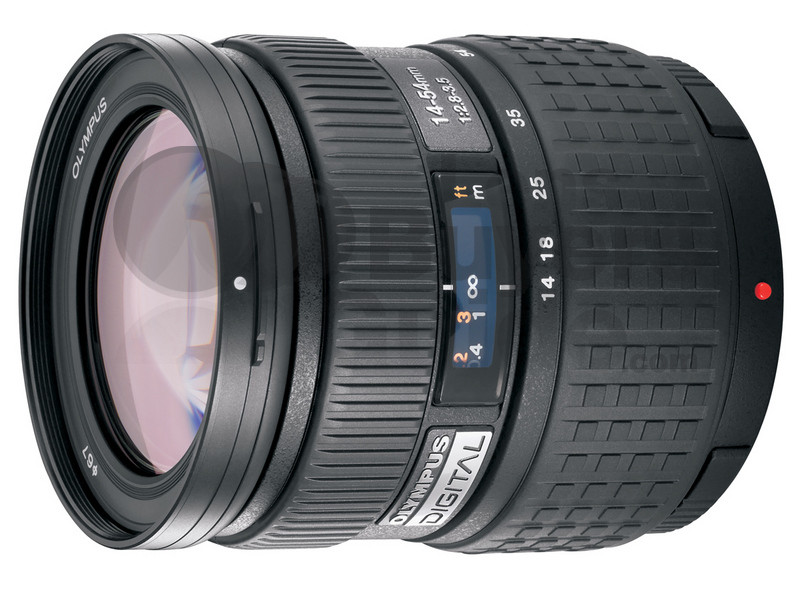
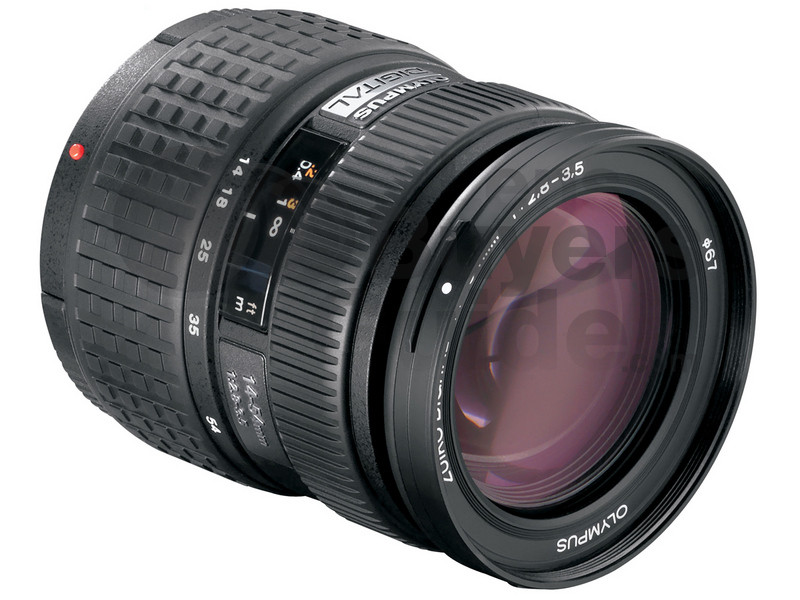
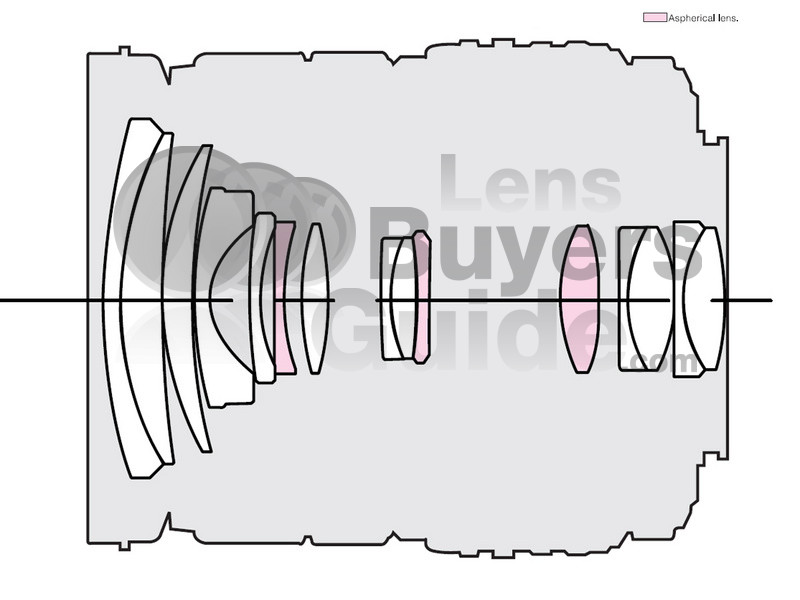
Ez a 14-54 mm objektív egy kiváló min?`ségű zoom-os alapoptika. A 35 mm-es filmes formátumra vetítve 28-108 mm-es zoom átfogással rendelkezik, a közelpontja az egész zoom tartományban 22 cm. A 0,26-szoros kiváló nagyítás (kisfilmes gépen 0,52x-nek felel meg) kiválóan alkalmas a közeli felvételekre. A fényűz?` három aszférikus lencsetag révén els?`rangú képmin?`ség, remek felbontás és nagyszerű kontraszt érhet?` el.
|
Olympus Zuiko Digital 14-54mm f/2.8-3.5 Specifikáció
| Elérhető bajonett(ek) | FourThirds |
| Felhasználási terület(ek) | Portré, Sport, Közeli, Tájkép, Épület |
| Kategóriák | Standard zoom |
| Szorzó | 2× |
| Stabilizátor | nem |
| Gyújtótávolság | 14 - 54 mm (3,9× zoom) |
| Objektív felépítése | 15 lencsetag 11 csoportban |
| Látószög |
35mm: nincs adat digitális: 75-23° |
| Lamellák száma | 7 |
| Legnagyobb blende | nagy látószög: f/2,8 tele: f/3,5 |
| Legkisebb blende | nagy látószög: f/22 tele: f/22 |
| Legkisebb tárgytávolság | 22 cm |
| Nagyítás | 0,26× |
| Szűrőmenet | 67 mm |
| Méret | ∅ 73.5 × 88.5 mm |
| Tömeg | 435 g |
| Megjegyzések |
|
| AF sebesség | 0,3 mp. (közeliből végtelenbe) |
| AF hang | |
| Belső élességállítás | igen |
| Belső zoom | nem |
| Fix frontlencse | igen |
| Bajonett típusa | fém |
| Időjárásálló | nincs adat |
| Becsúsztatható szűrők | nem |
| Ultrahangos AF | nem |
| Léptetőmotoros AF | nem |
| APS-C méretű vetített kép | nincs adat |
| Alacsony szórású lencsetag | nem |
| Kemény tok | nincs adat |
| Puha tok | LSC-0816 (tartozék) |
| Napellenző | LH-70 (tartozék) |
| Állvány adapter | nincs adat |
| Már nem kapható | igen |
Olympus Zuiko Digital 14-54mm f/2.8-3.5 Tesztek
Other reviews
- Olympus Zuiko Digital 14-54mm f/2.8-3.5 teszt a www.fotopolis.pl oldalon (lengyel)
- Olympus Zuiko Digital 14-54mm f/2.8-3.5 teszt a pixinfo.com oldalon (magyar)
Olympus Zuiko Digital 14-54mm f/2.8-3.5 a hírekben
- Tamron SP AF60mm f/2.0 Di-II MACRO
- Nikkor AF-S DX Micro 85mm F3,5G ED VR
- Sigma 17-70mm f/2,8-4 DC OS HSM MACRO
- Nagy fényerejű Carl Zeiss 35mm/F2 Canonra
- Sony SAL2875 28-75mm F2.8 SAM
- Carl Zeiss Distagon T* 28mm f/2
- Négy új ZuikoDigital objektív: 12-60mm, 50-200mm, 14-35mm, 70-300mm
- Négy új ZuikoDigital objektív: 12-60mm, 50-200mm, 14-35mm, 70-300mm
- Négy új ZuikoDigital objektív: 12-60mm, 50-200mm, 14-35mm, 70-300mm
- Négy új ZuikoDigital objektív: 12-60mm, 50-200mm, 14-35mm, 70-300mm
- Pentax DA 18-250mm/F3,5-6,3 ED AL [IF]
- Canon EF 200mm/F2,0 L IS és 800mm/F5,6 L IS
- Canon EF 200mm/F2,0 L IS és 800mm/F5,6 L IS
- Stabilizátoros Leica ultrazoom
- Leica D VARIO-ELMAR 14-50mm/F3.8-5.6 MEGA O.I.S.
- Tokina AT-X 35mm f/2,8 Macro DX késés
- Sigma 18-200mm/F3,5-5,6 DC Nikonokhoz
- Tamron 70-300 mm/F4-5,6 Di LD Macro fókuszmotorral
- Nikkor fényer?`s fix teleobjektívek AF-S 400mm/F2.8 VR, 500mm/F4 VR, 600mm/F4 VR
- Nikkor fényer?`s fix teleobjektívek AF-S 400mm/F2.8 VR, 500mm/F4 VR, 600mm/F4 VR
- Nikkor fényer?`s fix teleobjektívek AF-S 400mm/F2.8 VR, 500mm/F4 VR, 600mm/F4 VR
- 3 új Canon objektív: 14mm/F2.8 L II, 18-55mm IS, 55-250mm IS
- 3 új Canon objektív: 14mm/F2.8 L II, 18-55mm IS, 55-250mm IS
- 3 új Canon objektív: 14mm/F2.8 L II, 18-55mm IS, 55-250mm IS
- Min?`ségi Nikkor AF-S 14-24mm és 24-70mm nagy fényer?`vel
- Min?`ségi Nikkor AF-S 14-24mm és 24-70mm nagy fényer?`vel
- Carl Zeiss Distagon T* 28mm f/2 EF bajonettel
- Tamron SP AF17-50mm f/2.8 XR Di II VC LD Aspherical
- Carl Zeiss Distagon T* 21mm F2,8 ZE Canonra
- Carl Zeiss Distagon T* 18mm f/3,5 Canonra
- Stabilizált Sigma 70-300mm f/4-5,6 DG OS
- Két új M. Zuiko Digital objektív
- Két új M. Zuiko Digital objektív
- Tokina 11-16mm/f2,8 DX Sony gépekhez
- Hamarosan itt az új Sigma 17-70mm
- Canon EF 70-200mm F2,8L IS II USM
- smc Pentax D FA 100mm F2.8 WR Macro
- Nikkor AF-S 300mm F2,8G ED VR II és TC-20E III.
- Carl Zeiss optikák Canon csatlakozással
- Carl Zeiss Planar T* 85mm/1,4 ZF.2 és 50mm/1,4 ZF.2
- Carl Zeiss objektívek CPU-val
- Carl Zeiss objektívek CPU-val
- Carl Zeiss objektívek CPU-val
- Carl Zeiss objektívek CPU-val
- Carl Zeiss objektívek CPU-val
- Sigma 70-300mm F4,0-5,6 DG OS Sony és Pentax csatlakozással
- Tamron 17-50mm/F2,8 Di-II VC LD Canonhoz is
- Nikkor AF-S 16-35mm f/4 G ED VR
- Nikkor AF-S 24mm f/1.4G ED
- Pentax és Sony változatban a Sigma 17-70mm
- Voigtländer APO-LANTHAR 90mm F3,5 SL-II
- ?sj FLD lencsetag a Sigma objektíveiben
- ?sj FLD lencsetag a Sigma objektíveiben
- ?sj FLD lencsetag a Sigma objektíveiben
- Sony bajonettre is csatlakozik a Tokina 11-16mm
- Sigma APO 50-500mm f4.5-6.3 DG OS HSM
- Sigma 85mm f/1.4 EX DG HSM
- Sigma 17-50mm F2.8 EX DC OS HSM
- Sigma 8-16mm f4.5-5.6 DC HSM
- Carl Zeiss Planar T* 85mm/1,4 ZF.2 és 50mm/1,4 ZF.2
- Sigma APO 70-200mm F2.8 EX DG OS HSM
- Hamarosan boltokban az új Canon 70-200mm F2,8L IS
- LUMIX G Vario 14-42mm F3,5-5,6 ASPH. MEGA O.I.S.
- Nikkor AF-S 200-400mm F4 G ED VR II
- Lumix G FISHEYE 8mm F3,5
- Négy objektív a Nikon 1 rendszerhez
- Négy objektív a Nikon 1 rendszerhez
- Négy objektív a Nikon 1 rendszerhez
- Négy objektív a Nikon 1 rendszerhez